Day Shall Dawn
1959
No user ratings available yet
Representation score: 5.6 out of 10
Representation Score
Fair
1973
Not RatedDirector
Ritwik Ghatak
Runtime
159 minutes
Average Rating
No ratings yetNew Showbiz Analysis
Ritwik Ghatak’s work serves as a critical study of the socio-political struggles faced by a displaced Bengali fishing community. The film excels in its post-colonial perspective, reclaiming ethnic identity from Eurocentric historical lenses. While the film lacks representation for LGBTQ+ identities and disabilities, it compensates through a deep, sophisticated exploration of cultural and racial identity. It effectively deconstructs how macro-political shifts, such as Partition, fracture local communities and traditional social fabrics. Ultimately, the film is a powerful examination of how systemic displacement reshapes identity and power dynamics within a underrepresented population.
Category Breakdown
The film centers on the communal and familial structures of a rural fishing village. It does not depict non-straight or non-cisgender identities or same-sex relationships.
Women are shown as essential to the community's emotional well-being. The story highlights their inner lives and their ability to navigate the psychological challenges brought about by Partition.
The film deeply explores Bengali identity by focusing on a rural peasantry. It recaptures the narrative of a specific ethnic group during a time of identity crisis.
The narrative critiques imperialist decisions, presenting Partition as a disruptive force. It prioritizes the human suffering caused by political upheaval over religious or nationalist ideologies.
There are no prominent depictions of visible or invisible disabilities used as central plot devices or character traits.
Present on Screen
Limited or Absent
Official Synopsis
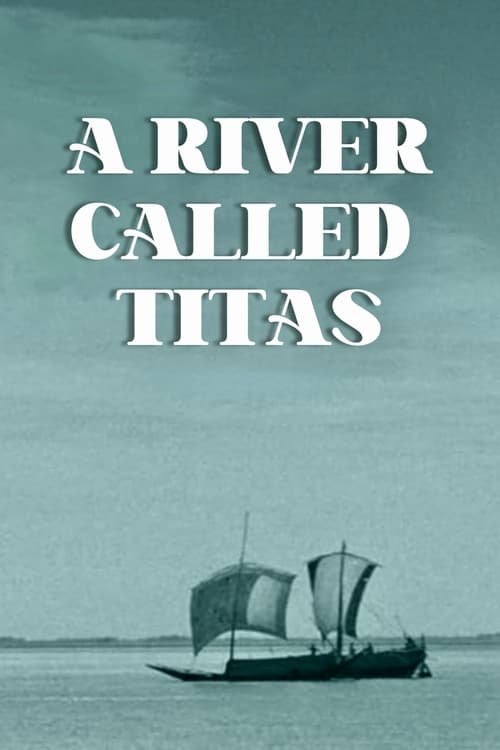
An in-depth look at the lives and struggles of a fishing community living by the River Titas in Bangladesh after the Partition of India in 1947.
1959
1963

1960

1960
1977

1945

1960
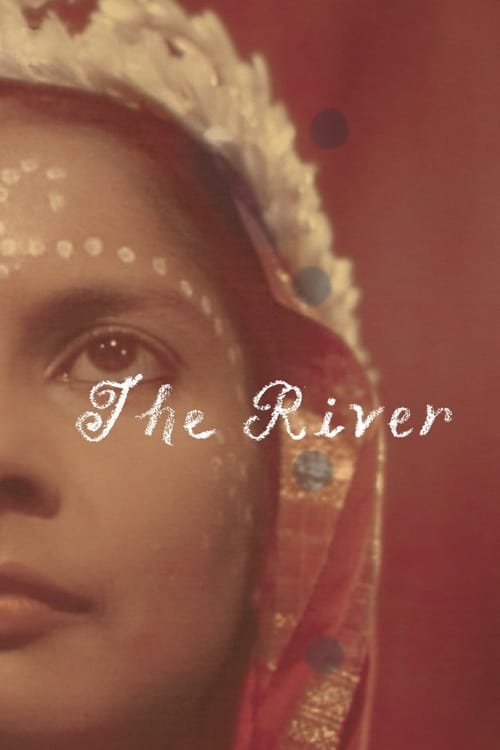
1951
No reviews yet. Be the first to share your thoughts on this movie!
Use the rating form above to leave a star rating and optional review.