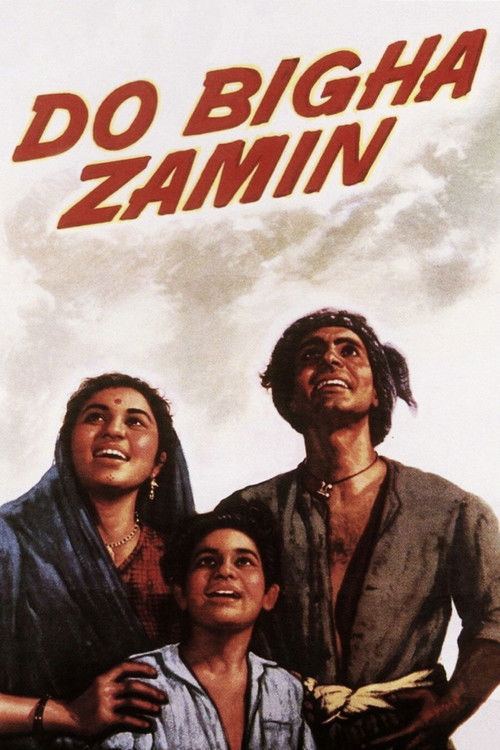
Two Acres of Land
1953
No user ratings available yet
Representation score: 5.4 out of 10
Representation Score
Fair
1954
Director
Bimal Roy
Runtime
136 minutes
Average Rating
No ratings yetNew Showbiz Analysis
Bimal Roy’s drama is a significant work of social realism that prioritizes systemic critique over individual identity politics. Its strength lies in its ability to deconstruct the myth of post-independence prosperity through the lens of the urban proletariat. However, the film remains tied to the social hierarchies of its era. It lacks representation for LGBTQ+ identities and relies on female characters primarily as emotional motivators for the male lead's professional struggle. Ultimately, the film's value is found in its cultural commentary. It successfully challenges idealized national narratives by portraying the bureaucratic system as a source of frustration for the working class.
Category Breakdown
There are no LGBTQ+ characters or narratives in the film. It focuses solely on the socioeconomic and family dynamics of the protagonist in a 1950s setting.
Female characters are mostly confined to domestic or caregiving roles. They motivate the protagonist's journey but do not have the power to drive the main plot themselves.
The film portrays a culturally uniform Indian society. It avoids modern multi-layered casting and focuses on the internal class struggles of urban migrants.
The narrative provides a sophisticated critique of the post-colonial economic machinery. It highlights the gap between nationalist rhetoric and the daily struggles of the working class.
The seriously ill sister serves as a catalyst for the protagonist's desperation. This element increases the stakes but does not provide an independent character study of disability.
Present on Screen
Limited or Absent
Official Synopsis
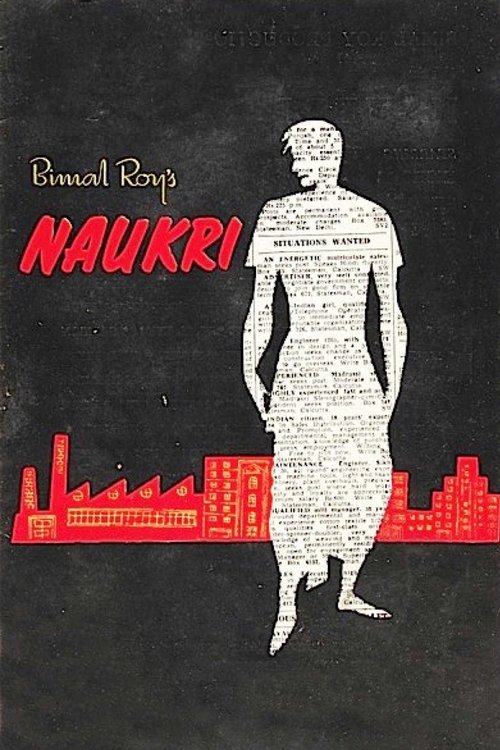
The comic, tragic and heartrending saga of Ratan Kumar Chaudhary, who leaves his village, aging mom and seriously ill sister, to obtain employment in Calcutta, only to end up in a tiny tenement apartment full of other unemployed youths.
1953

1959
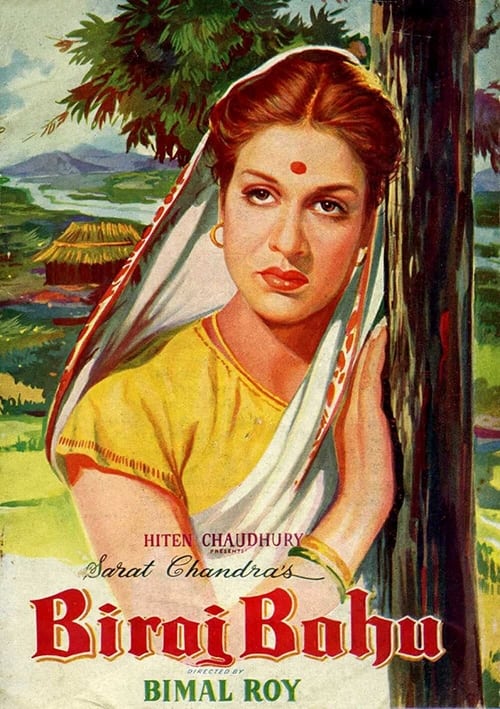
1954

1955

1970

2005

1965

1974
No reviews yet. Be the first to share your thoughts on this movie!
Use the rating form above to leave a star rating and optional review.