A Daughter of the Gods
1916
No user ratings available yet
Diversity score: 2.9 out of 10
1919
Director
Dhundiraj Govind Phalke
Runtime
47 minutes
Average Rating
No ratings yetSynopsis
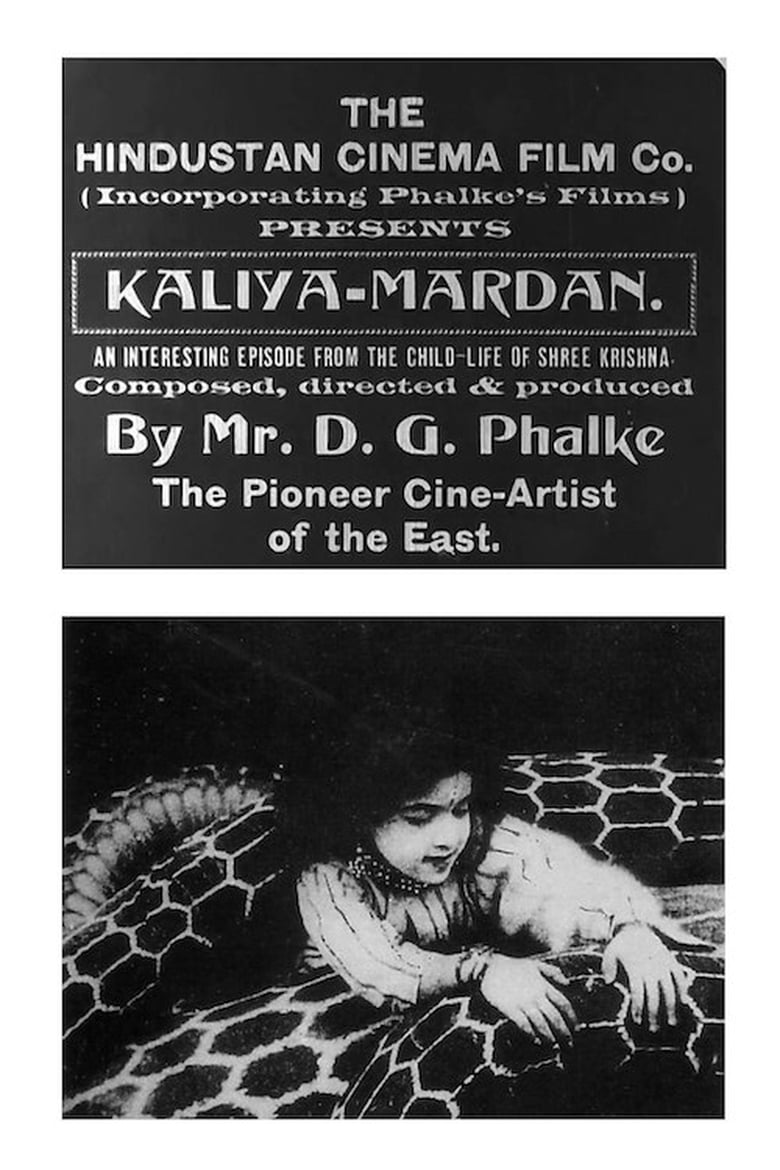
The playmates of Krishna are insulted by a female villager who splashes water on them. They take revenge by stealing butter from her house. When they are beaten up by the woman, they again take revenge with the aid of Krishna. He receives a gift of fruit for his help but gives it away. Krishna then enters the room of a wealthy merchant and his wife at night and ties the man's beard to his wife's hair. These exploits lead to a large crowd complaining of Krishna's antics to his foster parents.
Overall Score
Fair
Category Breakdown
LGBTQ+ Representation
The film focuses on traditional mythological archetypes and familial structures. There is no evidence of non-cisnormative gender identities or same-sex intimacy.
Gender Representation
Gendered authority is explored through a female villager who exercises disciplinary power over children. Krishna’s mischief also disrupts the traditional patriarchal hierarchy of the merchant's household.
Racial & Ethnic Diversity
As a foundational Indian film, it centers South Asian identities through indigenous folklore. This provides a significant departure from the Eurocentric storytelling common in early 20th-century global cinema.
Religious & Cultural Diversity
The narrative utilizes the concept of divine play to challenge rigid morality. Krishna’s disruptive actions prioritize spiritual archetypes over Western-style social decorum or capitalist stability.
Disability Representation
The film provides no information regarding the depiction of physical or neurodivergent disabilities.
Strengths
Areas for Improvement
AI Analysis
Dhundiraj Govind Phalke’s work establishes a vital non-Western narrative framework by rooting its agency in local spiritual contexts. By utilizing mythological subversion, the film challenges domestic and social hierarchies through the lens of divine mischief. However, the film lacks modern intersectional markers. It does not feature LGBTQ+ representation or specific depictions of disability, reflecting the cinematic era in which it was produced. Ultimately, the film's strength lies in its rejection of Western narrative hegemony, offering a culturally specific exploration of morality and identity.
1916
1908
1908
1939
1904
1979
2008
1971

1957
1951
1971
1942
No reviews yet. Be the first to share your thoughts on this movie!
Use the rating form above to leave a star rating and optional review.