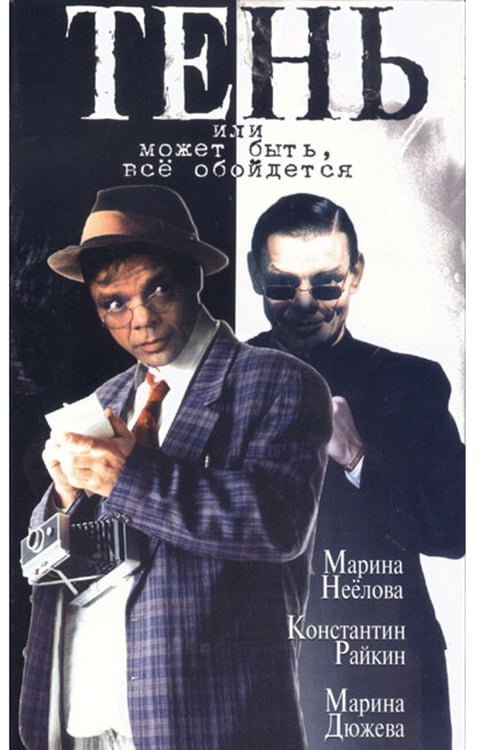
Shadow, or Maybe Everything Will Be Fine
1991
No user ratings available yet
Representation score: 3.7 out of 10
Representation Score
Fair
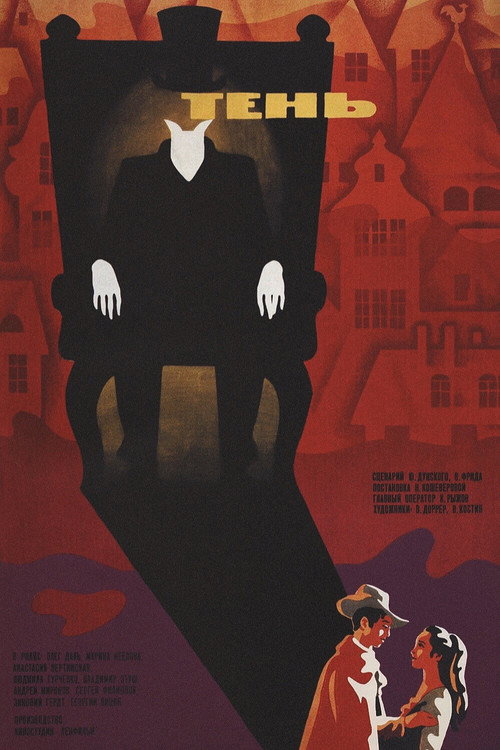
1971
Director
Nadezhda Kosheverova
Runtime
86 minutes
Average Rating
No ratings yetNew Showbiz Analysis
Ten is a moral allegory that uses fantasy to explore the corrupting nature of greed. It subverts traditional heroic clichés by allowing the shadow to triumph over the virtuous protagonist. While the film offers a sophisticated psychological critique of power, it remains limited in its demographic breadth, focusing almost entirely on the internal struggle of the scholar and the moral implications of his shadow. Ultimately, the film's strength lies in its philosophical depth rather than its diverse character archetypes.
Category Breakdown
The story centers around a romantic pursuit between a scholar and a princess. There are no non-straight or non-cisgender identities or themes in the narrative.
The Princess holds significant political influence, as her marriage affects national stability. However, she mainly serves as the focal point of conflict within a traditional romantic storyline.
Set in a fantasy realm, the film likely reflects the homogeneous ethnic makeup typical of 1971 Soviet folklore. The narrative does not intentionally blend different races.
The film strongly critiques traditional power structures and royal legitimacy. It emphasizes a philosophical exploration of egoism over straightforward moral lessons.
The narrative contains no characters with visible or invisible disabilities.
Present on Screen
Limited or Absent
Official Synopsis
The good-natured scholar Christian-Theodore arrives in a small country where miracles occur. He falls in love with the beautiful Princess, whose marriage is a matter of national importance, because her husband will become the new king. But unlike many “suitors”, selfish thoughts are alien to Christian-Theodore. He is sincerely fascinated by her beauty and releases his Shadow, hoping to get a faithful helper in his quest to marry the Princess. But the Shadow is the embodiment of egoism, greed and meanness. Quickly betraying the scholar, he marries the Princess himself and takes the royal throne.
1991
1965
1982
1970
1984
1970
1964
1961
No reviews yet. Be the first to share your thoughts on this movie!
Use the rating form above to leave a star rating and optional review.