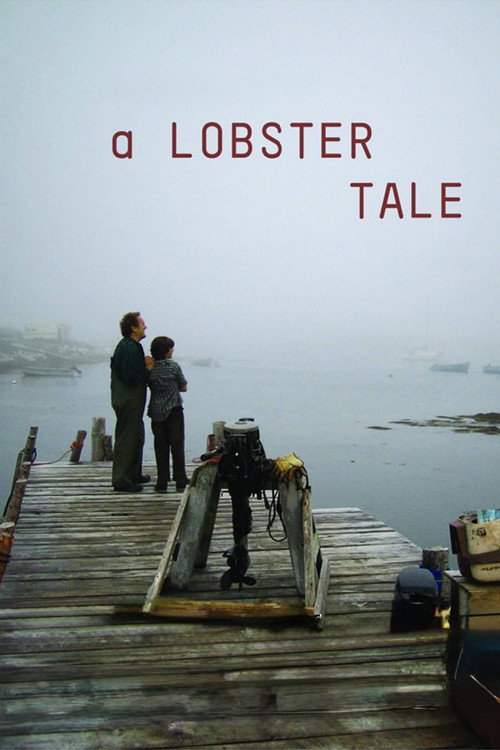
A Lobster Tale
2006
No user ratings available yet
Diversity score: 3.8 out of 10

1979
Director
Govindan Aravindan
Runtime
90 minutes
Average Rating
No ratings yetSynopsis
A stranger who may be the trickster magician Kummatty comes to a village in Malabar, India.
Overall Score
Fair
Category Breakdown
LGBTQ+ Representation
The film lacks LGBTQ+ characters or narratives. The social landscape focuses on traditional rural community bonds and intergenerational relationships.
Gender Representation
The story centers on a domestic dynamic between a young boy and an elderly grandmother. It avoids hyper-masculine tropes, instead highlighting the female elder as a pillar of stability.
Racial & Ethnic Diversity
Set in the Malabar region, the film offers an authentic Malayali perspective. This regional immersion provides a non-Western viewpoint that disrupts globalized storytelling models.
Religious & Cultural Diversity
The narrative emphasizes a nature-centric spirituality over formal religious dogma. It portrays a traditional, agrarian existence rather than promoting industrial or capitalist values.
Disability Representation
There are no prominent depictions of physical or neurodivergent disabilities used as central character traits or plot devices.
Strengths
Areas for Improvement
AI Analysis
Kummatty stands as a significant work of cultural preservation, prioritizing atmospheric realism over mainstream melodrama. It succeeds by centering a localized, non-Western experience that resists the universalizing tendencies of global cinema. While the film lacks modern identity politics or explicit LGBTQ+ representation, it offers depth through its portrayal of rural Kerala. The focus on folklore and the symbiotic relationship between humans and nature provides a unique spiritual texture. Ultimately, the film's value lies in its rejection of commercial tropes. It replaces high-octane conflict with a rhythmic, pastoral study of domestic life and regional identity.
No reviews yet. Be the first to share your thoughts on this movie!
Use the rating form above to leave a star rating and optional review.