
The Water Spider
1971
No user ratings available yet
Representation score: 4.5 out of 10
Representation Score
Limited
1908
Director
Louis Feuillade
Runtime
8 minutes
Average Rating
No ratings yetNew Showbiz Analysis
This film is a classical mythological retelling that highlights female intellectual prowess. The rivalry between Arachne and Minerva offers a rare instance of female-driven ability to act in early cinema, where a mortal’s skill challenges a goddess’s status. However, the film is constrained by its historical context and reliance on Eurocentric clichés. The absence of racial diversity and lack of LGBTQ+ representation reflect the cultural homogeneity of the time. Ultimately, while the film challenges certain gendered hierarchies, it remains a product of Western classical tradition with minimal representation beyond its primary mythological focus.
Category Breakdown
The film does not explicitly depict non-straight relationships or same-sex intimacy. Although the story revolves around a rivalry between two women, there is no indication of queer themes.
The narrative emphasizes female empowerment through an intellectual contest between Minerva and Arachne. Arachne’s weaving skills challenge divine authority, disrupting traditional power structures.
Based on Greco-Roman mythology, the film adheres to Eurocentric aesthetics without depicting racial diversity or challenging Anglo-Saxon norms.
The story employs mythological themes that emphasize moral complexity rather than strict religious doctrine. However, it remains rooted in Western classical traditions.
There is no depiction of characters with physical or neurodivergent disabilities in the narrative or historical records.
Present on Screen
Limited or Absent
Official Synopsis
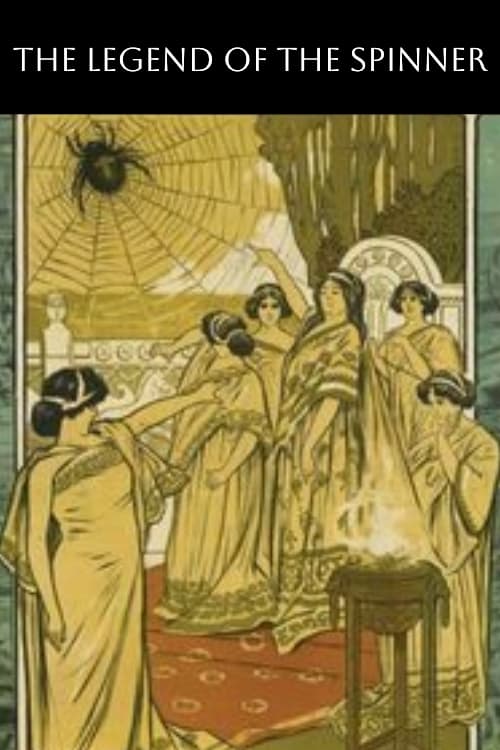
The goddess Minerva is jealous of the young Arachne who is more clever it in weaving. Out of spite, Arachne Minerva rushed into hell, then transforms into a spider that will forever spinning its web.
1971

1994
1909
1908
1901
1916
1916

2010
No reviews yet. Be the first to share your thoughts on this movie!
Use the rating form above to leave a star rating and optional review.