If One Could See Into the Future
1911
No user ratings available yet
Representation score: 3.1 out of 10

Representation Score
Minimal
1939
Director
Julien Duvivier
Runtime
93 minutes
Average Rating
No ratings yetNew Showbiz Analysis
The Phantom Wagon is a genre-driven exploration of guilt and consequence that prioritizes psychological depth over social disruption. While it moves away from simple moralism by offering a situational understanding of its criminal protagonists, the film remains anchored in the traditionalist paradigms of the late 1930s. The narrative structure emphasizes individual struggle within a masculine-centric perspective. This focus limits the film's engagement with more complex social identities. Ultimately, the film functions as a classic piece that examines the tension between lawlessness and civilization without challenging established social or identity-based hierarchies.
Category Breakdown
The film does not include any LGBTQ+ characters or explore non-straight relationships. It emphasizes traditional masculine bonds without challenging the idea that everyone is straight or cisgender.
The story is driven primarily by male characters, while female characters play secondary roles. The narrative reinforces traditional gender hierarchies and male leadership.
The cast is mostly white and lacks diversity, reflecting the era's cinematic standards. There is no meaningful representation of non-white cultures or perspectives.
The film presents a nuanced view of sinners through moral relativism instead of simple good versus evil. However, it does not critique institutional systems.
There are no prominent depictions of physical or neurodivergent disabilities. Characters are defined by their status as outlaws rather than by any disability.
Present on Screen
Limited or Absent
Official Synopsis
French version of the Selma Lagerlof story, most famously filmed in 1921 by Victor Sjostrom, about a poor sinner who only realizes what misery he's wrought when he dies on New Year's Eve and is collected by Death in his carriage.
1911
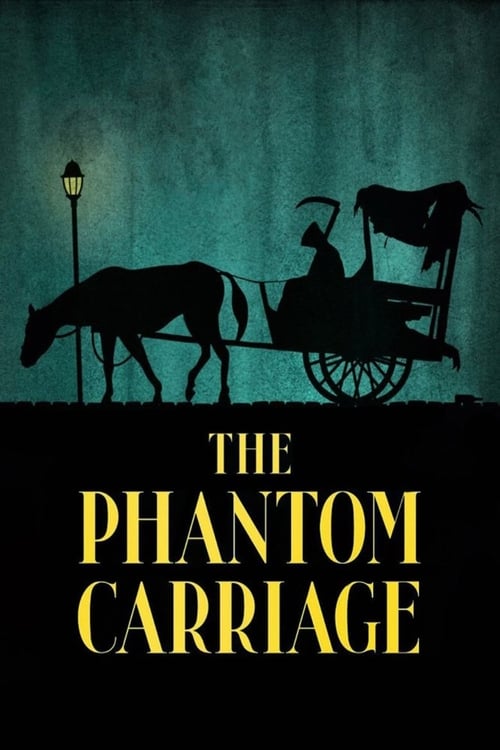
1921
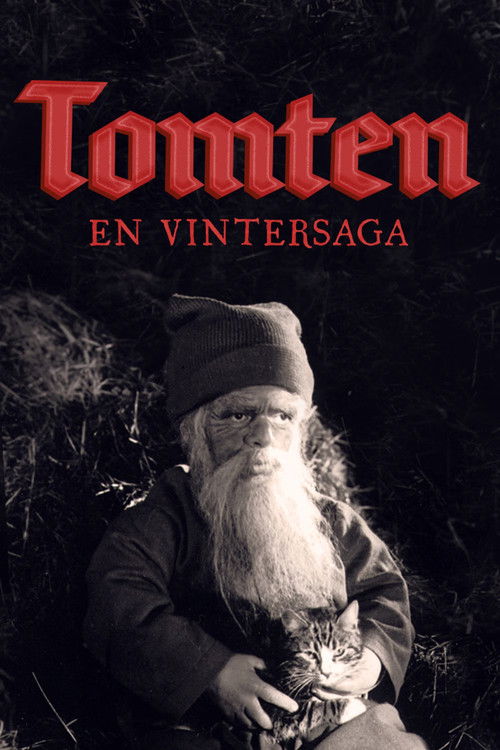
1941
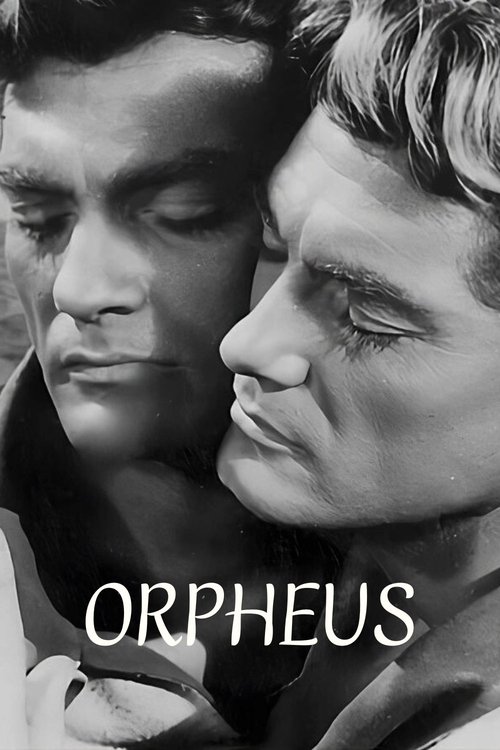
1950
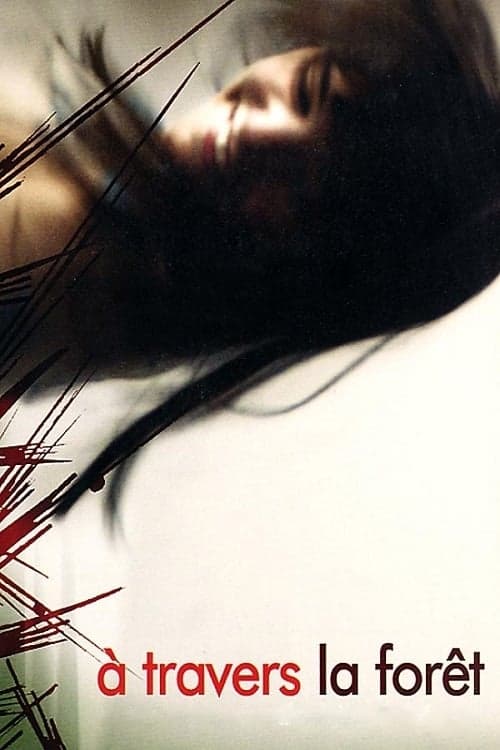
2005

2024
1904
1951
No reviews yet. Be the first to share your thoughts on this movie!
Use the rating form above to leave a star rating and optional review.