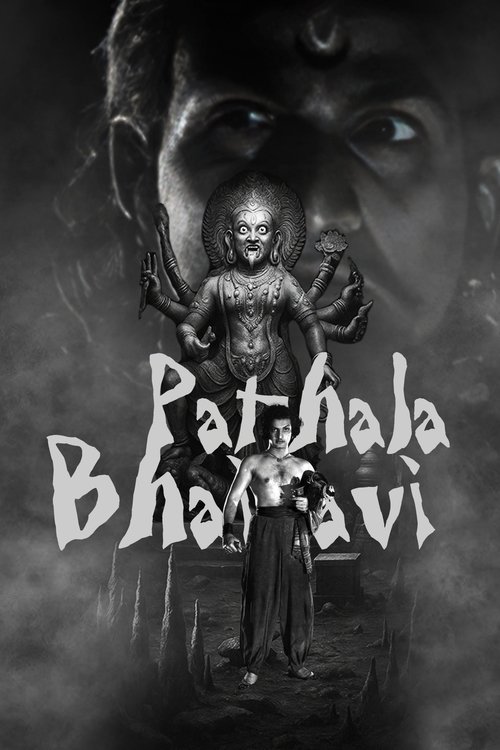
Pathala Bhairavi
1951
No user ratings available yet
Diversity score: 2.6 out of 10

1957
Director
Kadri Venkata Reddy
Runtime
181 minutes
Average Rating
No ratings yetSynopsis
Balarama promises Subhadra to get his daughter married to her son. However, when he loses his kingdom to the Kauravas, Balarama has no choice but to break his promise.
Overall Score
Limited
Category Breakdown
LGBTQ+ Representation
The film adheres strictly to traditional heteronormative structures. Relationships are depicted through classical marriage and divine unions. There is no presence of non-cisnormative identities.
Gender Representation
Female characters exhibit significant wit and intellectual sharpness within domestic maneuvering. However, these traits are framed within classical feminine archetypes. The narrative reinforces the stability of a patriarchal order.
Racial & Ethnic Diversity
The film presents a homogeneous South Indian cast aligned with Telugu linguistic requirements. It serves as a vessel for ethnic cultural preservation rather than engaging with modern intersectionality.
Religious & Cultural Diversity
The narrative is a profound celebration of Hindu religious iconography and Vedic tradition. It emphasizes the supremacy of Dharma and the sanctity of traditional institutions like family and royalty.
Disability Representation
There is no discernible representation of physical or neurodivergent disabilities. Characters are depicted as idealized, divine, or heroic archetypes focusing on supernatural abilities.
Strengths
Areas for Improvement
AI Analysis
Mayabazar is a technical masterclass in mythological storytelling that prioritizes cosmic order over social subversion. It functions as a deeply traditionalist text, utilizing divine play to reinforce established hierarchies and moral absolutes. The film excels at preserving cultural heritage and classical aesthetic emotions. However, it operates within a conservative framework that lacks secularism or critiques of traditional power dynamics. While the characters possess agency, it is strictly bounded by religious duty and archetype. The work is a celebration of singular religious morality rather than a diverse social tapestry.
No reviews yet. Be the first to share your thoughts on this movie!
Use the rating form above to leave a star rating and optional review.