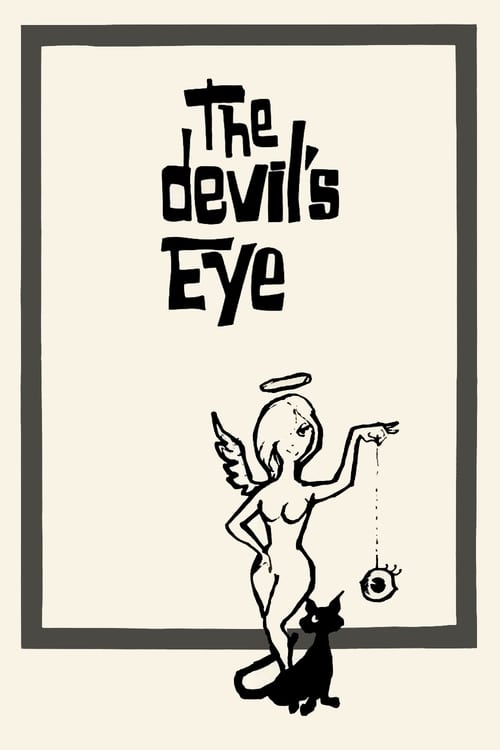
The Devil's Eye
1960
No user ratings available yet
Representation score: 4.5 out of 10
Representation Score
Fair
1942
NRDirector
Marcel Carné
Runtime
121 minutes
Average Rating
No ratings yetNew Showbiz Analysis
Marcel Carné’s work deconstructs traditional morality, replacing it with a complex exploration of human impulses and fatalism. Its strength lies in its narrative structure, which subverts religious and social hierarchies while challenging conventional morality. However, the film remains rooted in a specific European historical context and lacks explicit representation of diverse identities such as LGBTQ+ individuals or racial diversity.
Category Breakdown
The film explores attraction that goes beyond conventional social structures, focusing on metaphysical themes rather than specific LGBTQ+ identities. There are no explicit queer-coded subplots.
The movie presents a female protagonist who actively participates in a cosmic game of seduction, challenging traditional gender roles. Masculinity is shown through vulnerability and downfall.
Set within a European folkloric tradition, the film does not address racial dynamics or use race-bent casting. It reflects the historical constraints of its period setting.
The film critiques Western institutions by portraying religious authority as a structure ripe for subversion. It uses cosmic irony to challenge traditional spiritual hierarchies and singular Christian morality.
There is no significant evidence regarding the portrayal of physical or neurodivergent disabilities within the work.
Present on Screen
Limited or Absent
Official Synopsis
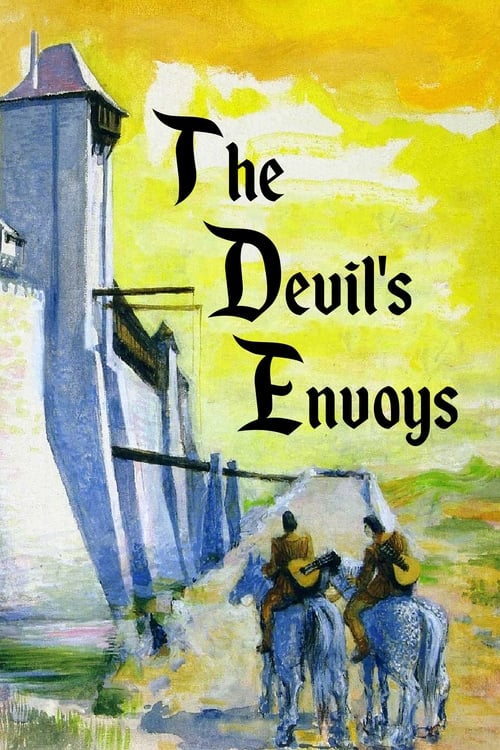
At the end of the 15th century, a man and a woman, posing as traveling minstrels, are sent by the Devil to a castle to seduce its inhabitants.
1960
1939
1950
1923
1946
1985

1949
1947
No reviews yet. Be the first to share your thoughts on this movie!
Use the rating form above to leave a star rating and optional review.