A Long Goodbye
2019
No user ratings available yet
Representation score: 3.1 out of 10
Representation Score
Fair
2022
Director
Genki Kawamura
Runtime
104 minutes
Average Rating
No ratings yetNew Showbiz Analysis
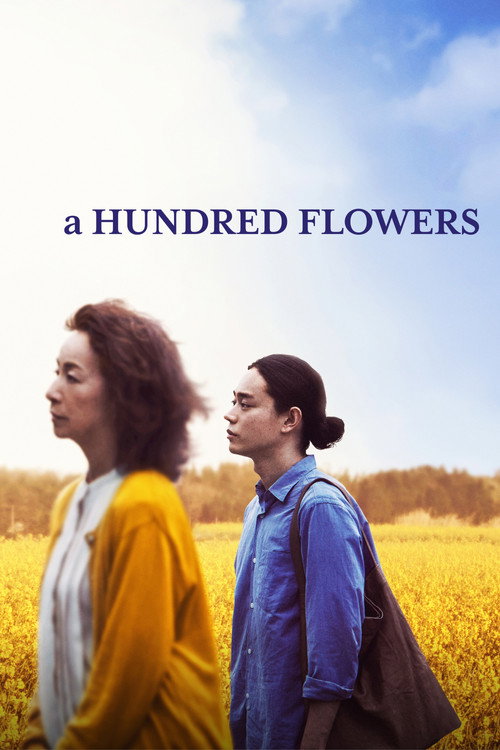
A Hundred Flowers is an intimate character study that centers on the experience of dementia. By focusing on Yuriko’s cognitive decline, the film explores the profound human experience of memory loss rather than using it merely as a plot device. However, the film operates within a traditional framework, lacking complexity around social, racial, or LGBTQ+ identities. The narrative follows conventional dramatic structures without challenging systemic hierarchies. Ultimately, while the film offers a meaningful exploration of memory and cognitive health, it remains a traditional domestic drama.
Category Breakdown
The film does not include any representation of LGBTQ+ identities or same-sex relationships. It focuses on a traditional family relationship between a mother and her son.
Yuriko is a central female character who provides significant emotional depth to the story. However, the film does not challenge traditional gender roles or hierarchies.
The film reflects a homogeneous Japanese society and does not include any multi-ethnic casting or racial diversity in its narrative.
The story centers on familial bonds and the importance of memory, avoiding any religious themes or critiques of Western institutions and capitalism.
The film focuses on the experience of dementia, treating cognitive decline as a central part of the emotional journey.
Present on Screen
Limited or Absent
Official Synopsis
Diagnosed with dementia, Yuriko's mind quickly begins to fade. Yet, for her son Izumi, memories of the mother feel as vivid as when he lived them. One in particular, when he believed she had disappeared, haunts him terribly.
2019

2010

2006

1995
2014

2023
2017
2018
No reviews yet. Be the first to share your thoughts on this movie!
Use the rating form above to leave a star rating and optional review.