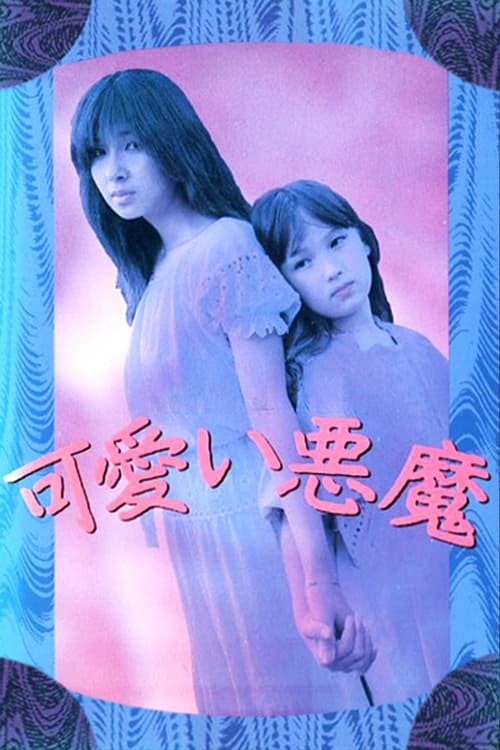
Cute Devil
1982
No user ratings available yet
Representation score: 7.4 out of 10
Representation Score
Good
1991
Director
Nobuhiko Obayashi
Runtime
150 minutes
Average Rating
No ratings yetNew Showbiz Analysis
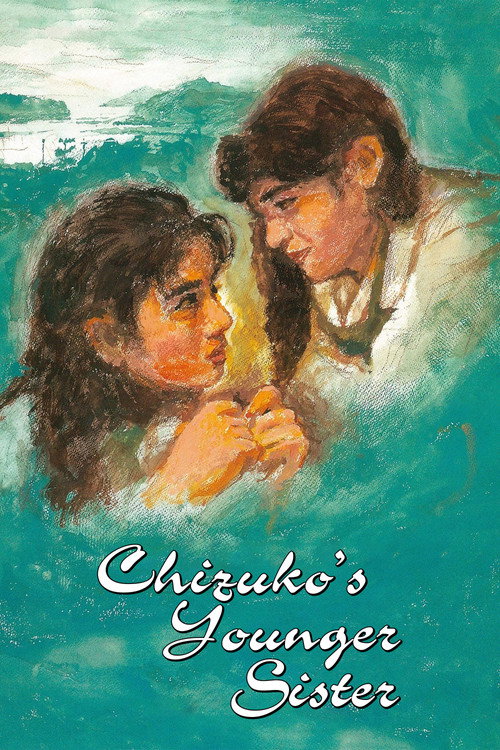
Nobuhiko Obayashi’s film is a sophisticated, postmodern drama that prioritizes the female emotional landscape. By centering the narrative on the psychological lives of sisters, it successfully disrupts traditional patriarchal storytelling patterns. The film excels in its cultural authenticity, offering a Japanese domestic perspective that resists the Western gaze. Its use of magical realism provides a nuanced way to explore identity and memory within a specific historical context. However, the film lacks representation for LGBTQ+ identities and does not address disability. The focus remains strictly on the familial bond and the supernatural elements of grief.
Category Breakdown
The story focuses on the bond between sisters and the process of grieving within a family. There are no LGBTQ+ characters or critiques of the assumption that everyone is straight or cisgender.
The film challenges traditional patriarchal structures by centering on the female experience. The emotional journey of Chizuko and Mika drives the entire drama.
A predominantly Japanese cast provides an authentic portrayal of domestic life. The film avoids the Western perspective by focusing on a culturally specific historical period.
The narrative uses magical realism to explore memory and subjective morality. It prioritizes individual perception over a singular, objective reality through a postmodern lens.
The supernatural presence of a ghost serves as a tool for exploring grief. It does not explicitly feature characters with visible or invisible disabilities.
Present on Screen
Limited or Absent
Official Synopsis
The Kitao family is coping with the loss of the eldest daughter, Chizuko, who was killed in a freak accident the year prior. When the other daughter Mika is suddenly in a dangerous situation, Chizuko returns as a ghost to save her; reunited with her sister, Mika begins spending time with Chizuko again.
1982

2010
2024

1991
1999

2018

2010
1990
No reviews yet. Be the first to share your thoughts on this movie!
Use the rating form above to leave a star rating and optional review.