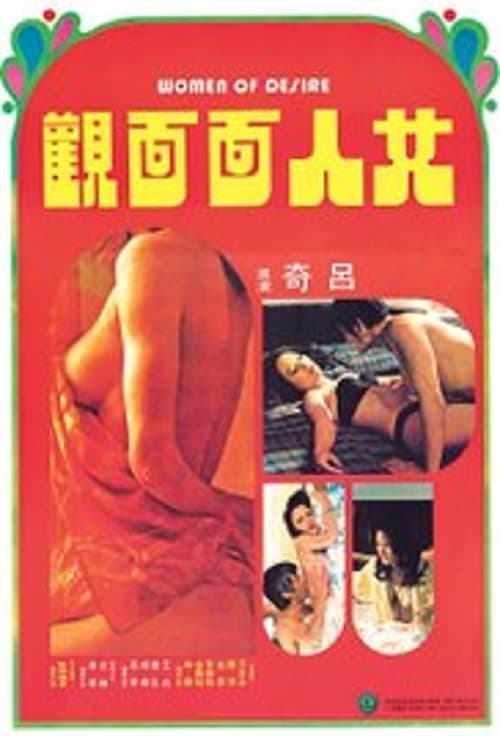
Women of Desire
1974
No user ratings available yet
Representation score: 4.9 out of 10
Representation Score
Fair
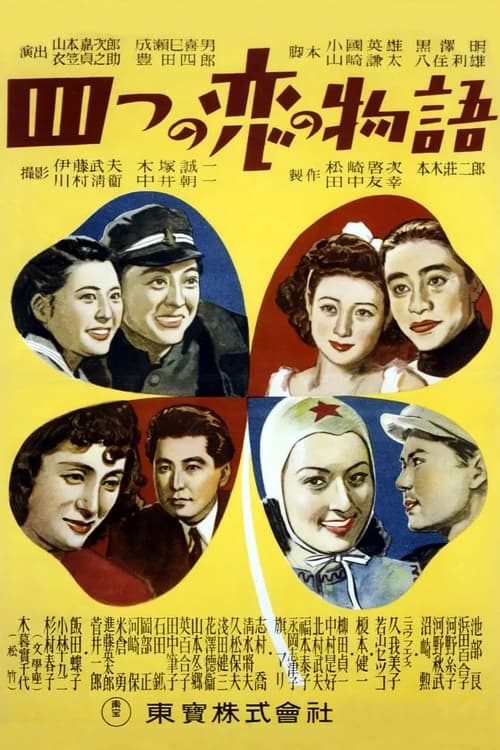
1947
Director
Mikio Naruse, Shirō Toyoda, Kenta Yamazaki, Teinosuke Kinugasa
Runtime
112 minutes
Average Rating
No ratings yetNew Showbiz Analysis
This anthology provides a sophisticated view of human connections during Japan's post-war reconstruction. Directed by Mikio Naruse, the film focuses on character inner lives and challenges rigid social structures. Though the film does not feature modern multi-layered markers or explicit LGBTQ+ representation, it moves away from monolithic, traditionalist archetypes. It serves as a crucial historical document that explores individual emotional resilience amid societal change.
Category Breakdown
The anthology does not include clear examples of non-straight or non-cisgender identities or same-sex relationships. These narratives seem to follow the traditional assumptions common in 1947 Japanese cinema.
Mikio Naruse's involvement enhances the portrayal of women. The stories likely depict women as complex individuals with intellectual strength rather than passive figures in social hierarchies.
As a domestic production, the film showcases a culturally uniform cast. It serves as a cultural record of Japanese identity during a time of significant national rebuilding.
The film examines a society in transition during the post-war era. These stories likely question traditional family stability and pre-war morals in the face of changing economic conditions.
There is no confirmed information about the portrayal of characters with physical or neurodivergent conditions in this anthology.
Present on Screen
Limited or Absent
Official Synopsis
Omnibus of love stories from 1947 directed by famous directors, featuring big stars.
1974

1960
1945
1961
1962

1960
1960

1948
No reviews yet. Be the first to share your thoughts on this movie!
Use the rating form above to leave a star rating and optional review.