Legends of Lust
1972
No user ratings available yet
Representation score: 5.0 out of 10
Representation Score
Fair
1974
Director
Lui Kei
Runtime
93 minutes
Average Rating
No ratings yetNew Showbiz Analysis
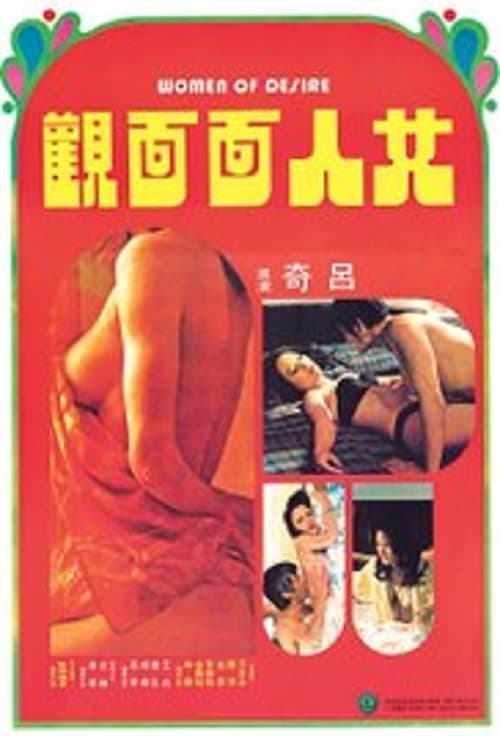
Women of Desire disrupts traditional storytelling by centering its narrative on female desire and ability to act. Its four-part structure allows for a nuanced exploration of women's lived experiences. However, the film lacks clear evidence of diverse representation, particularly regarding LGBTQ+ identities or disability. Despite its limited demographic breadth, the film leans into progressive themes of individual ability to act for its time.
Category Breakdown
The film touches on themes of modern love and lust, which might hint at non-traditional romantic dynamics. However, there is no clear evidence of specific LGBTQ+ identities or non-cisgender expressions.
By focusing on four stories centered around women, the film shifts away from traditional male-centric narratives. This structure highlights women's subjective experiences and roles in navigating complex interpersonal situations.
As a 1970s Hong Kong production, the film offers a significant artifact of East Asian storytelling. It operates within a specific regional context rather than adhering to Western-centric storytelling norms.
The narrative delves into secular themes of desire, which may clash with conservative 1970s morality. It emphasizes individual experience and moral relativism over institutionalized ethics.
There is no documented evidence of characters with physical or neurodivergent disabilities.
Present on Screen
Limited or Absent
Official Synopsis
Contains four separate stories about modern love and lust relationships.
1972

1950
1996
2014
1994
1947
1974
1980
No reviews yet. Be the first to share your thoughts on this movie!
Use the rating form above to leave a star rating and optional review.