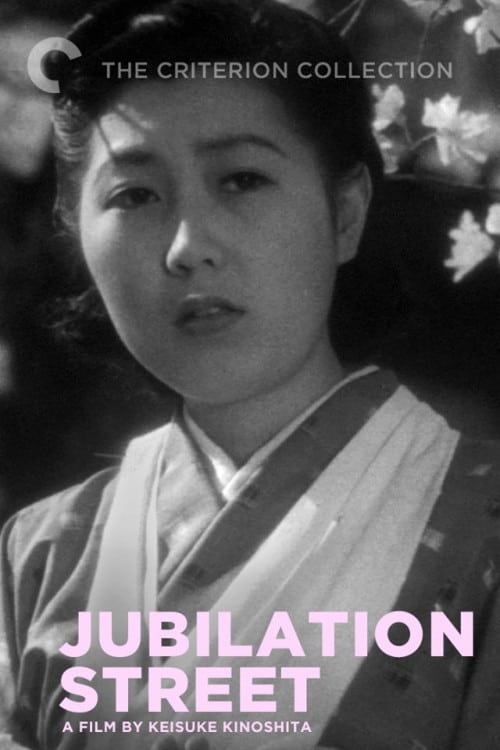
Jubilation Street
1944
No user ratings available yet
Representation score: 3.6 out of 10
Representation Score
Minimal
1945
Director
Kenji Mizoguchi, Masahiro Makino, Tomotaka Tasaka, Hiroshi Shimizu
Runtime
80 minutes
Average Rating
No ratings yetNew Showbiz Analysis
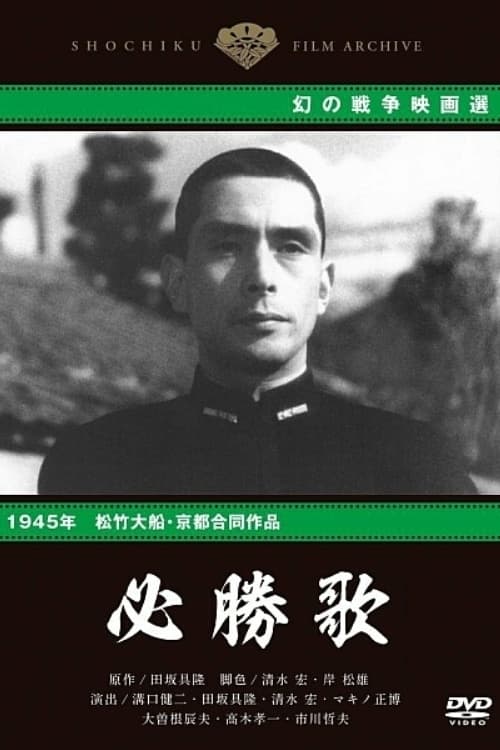
Victory Song functions as a historical artifact of state-sanctioned nationalistic storytelling. Its thirteen segments aim to promote patriotic sentiment and collective identity during a period of total war. Because its primary goal is to bolster national mobilization, it lacks elements necessary for representing diverse identities. The narrative prioritizes reinforcing established social hierarchies and state loyalty over individual ability to act or underrepresented perspectives.
Category Breakdown
The film centers on patriotism and traditional family structures, with no depiction of LGBTQ+ identities or critiques of heterosexuality.
The wartime setting likely reinforces traditional gender roles, with female characters primarily supporting domestic duties or sacrificing themselves rather than taking on leadership roles.
The film focuses on Japanese citizens to promote national unity, emphasizing ethnic homogeneity without blending diverse racial backgrounds.
The film upholds patriotic stories that reinforce traditional institutions and nationalistic fervor, without critiquing the prevailing social order.
There is no information about the portrayal of physical or neurodivergent characters in the film.
Present on Screen
Limited or Absent
Official Synopsis
An anthology of thirteen patriotic stories about Japanese citizens contributing to the war effort.
1944

1946
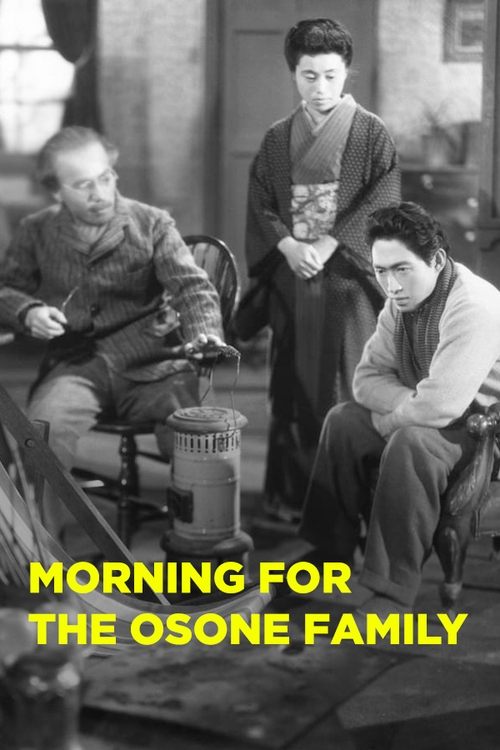
1946

1959
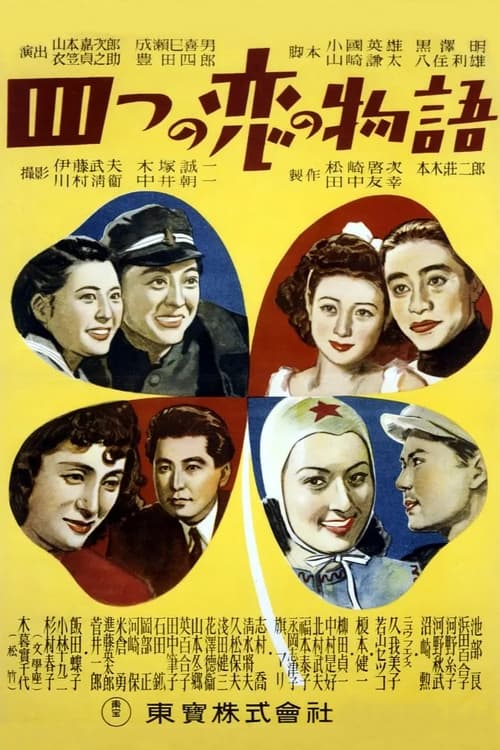
1947

1942
1954
1944
No reviews yet. Be the first to share your thoughts on this movie!
Use the rating form above to leave a star rating and optional review.