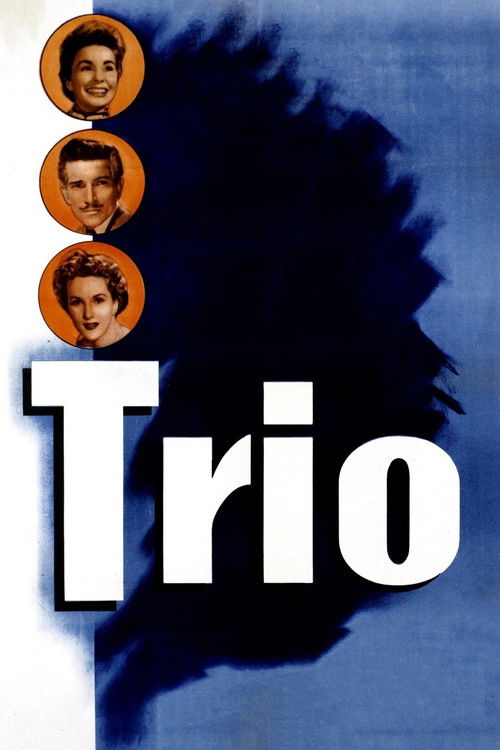
Trio
1950
No user ratings available yet
Representation score: 2.0 out of 10
Representation Score
Minimal
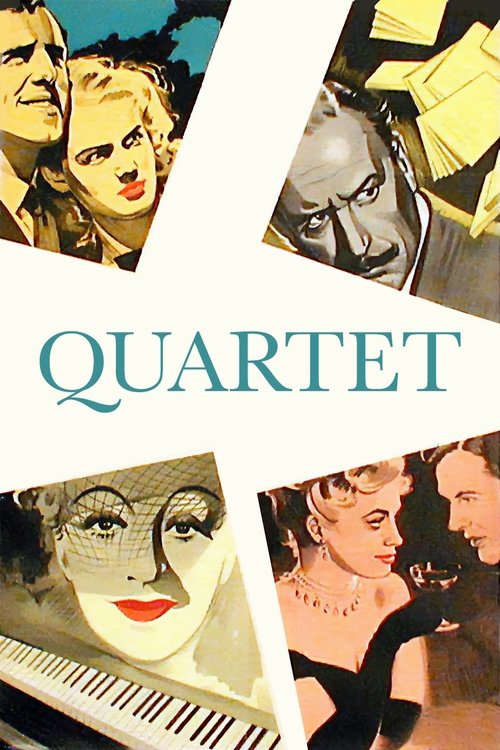
1948
ApprovedDirector
Arthur Crabtree, Ken Annakin, Ralph Smart, Harold French
Runtime
120 minutes
Average Rating
No ratings yetNew Showbiz Analysis
Quartet reflects the social structures of post-war Britain, emphasizing conventional character development and interpersonal relationships. It adheres to the norms of the era without challenging them. The narrative structure reinforces the social hierarchies of the time, lacking diverse perspectives. Ultimately, the film upholds the status quo without broadening its scope.
Category Breakdown
The film does not include non-binary genders or same-sex relationships. It follows the heterosexual norms of the late 1940s.
Women play musical and comedic roles, but the film upholds traditional gender roles. It does not challenge male dominance or female subservience.
The cast is predominantly white and British, reflecting a lack of racial diversity. Non-European perspectives are missing.
The stories are set within a traditional Western context. They focus on personal relationships without questioning Western institutions or moral relativism.
There are no characters with physical or cognitive disabilities. The story focuses solely on the romantic and social lives of the main characters.
Present on Screen
Limited or Absent
Official Synopsis
Somerset Maugham introduces four of his tales in this anthology film: "The Facts of Life," "The Alien Corn," "The Kite," and "The Colonel's Lady."
1950

1964
1951
1944
1947
1952
1960
1958
No reviews yet. Be the first to share your thoughts on this movie!
Use the rating form above to leave a star rating and optional review.