
Bitter End of a Sweet Night
1961
No user ratings available yet
Representation score: 5.7 out of 10
Representation Score
Good
1960
Director
Kon Ichikawa, Yasuzō Masumura, Kōzaburō Yoshimura
Runtime
100 minutes
Average Rating
No ratings yetNew Showbiz Analysis
A Woman's Testament shines in its portrayal of female autonomy. By focusing on women managing economic instability and personal relationships, the film challenges traditional domestic roles and highlights female intelligence. The anthology format allows for a nuanced critique of systemic corruption. Characters operate on the margins of legality, avoiding strict moral judgments and offering a multifaceted view of human desires and survival. However, the film remains culturally homogeneous and does not include explicit LGBTQ+ representation or queer identities. While it explores unconventional social roles, it does not venture into non-straight-centered territory.
Category Breakdown
The film explores women working in unconventional roles such as nightclub workers and geishas. However, it does not explicitly depict any queer identities.
The film centers on women actively navigating their economic and personal lives. These women are portrayed as active agents rather than passive victims of their circumstances.
Set in Tokyo, the film features a predominantly Japanese cast. It focuses on local social dynamics rather than presenting a globally diverse racial perspective.
The film critiques traditional institutions through stories involving forgery and unethical business practices. It emphasizes individual survival and moral relativism over established social hierarchies.
The provided narrative details do not contain information regarding the portrayal of physical or neurodivergent disabilities.
Present on Screen
Limited or Absent
Official Synopsis
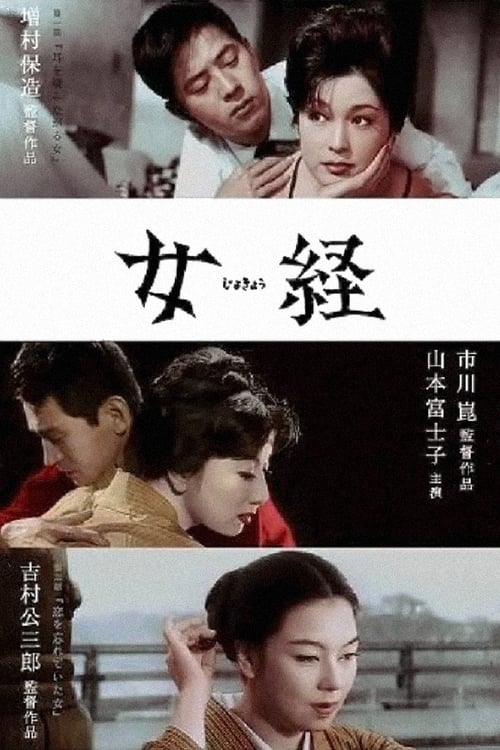
The first story concerns an attractive young woman who works in a Tokyo nightclub. Her plan for a solid financial future has a double whammy. In the second story, a beautiful young woman is employed by an unscrupulous real estate agent to convince male clients to invest in worthless property. The last story is about a widowed geisha who has no real financial worries and who falls in love with a forger.
1961

1956
1948
1960
1963
1936
1962

1970
No reviews yet. Be the first to share your thoughts on this movie!
Use the rating form above to leave a star rating and optional review.