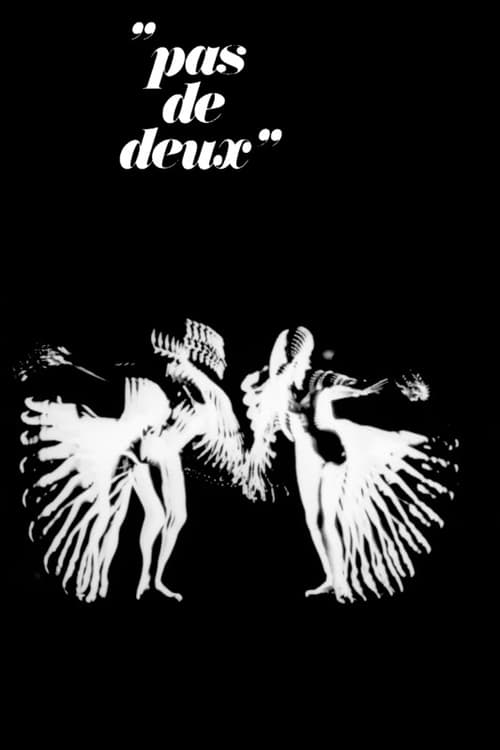
Pas de Deux
1968
No user ratings available yet
Representation score: 6.9 out of 10

Representation Score
Minimal
1972
Director
Norman McLaren
Runtime
10 minutes
Average Rating
No ratings yetNew Showbiz Analysis
Norman McLaren’s experimental short film focuses on the rhythm and movement of dance rather than telling a story. Using the pixilation technique, the film breaks down the mechanics of the pas-de-deux through a lens of technical precision. While the film challenges typical ways of capturing motion, it does not aim to disrupt social hierarchies. The focus is on the visual representation of movement and the performers within the frame. Overall, the film prioritizes experimental techniques over social commentary. It stays within the traditional boundaries of classical ballet.
Category Breakdown
The film focuses on movement without showing any romantic relationships or characters who challenge traditional gender roles.
It includes both male and female dancers, but the emphasis is on technical precision within traditional ballet roles, rather than challenging gender norms.
The cast is made up of Caucasian performers, reflecting the history of classical ballet. It doesn't include diverse casting to challenge Eurocentric traditions.
The film is rooted in Western high culture, using classical ballet and European music. It upholds traditional Western aesthetic values without critiquing them.
There is no representation of disability. The performers are chosen for their ability to perform complex physical movements.
Present on Screen
Limited or Absent
Official Synopsis
A slow-motion study by Norman McLaren of the pas-de-deux adagio, one of the most exacting and difficult dances of classical ballet. A ballet originally choreographed by the Russian ballet master Asaf Messerer is performed for this film by the internationally known Canadian pair, David and Anna Marie Holmes, to the music of Albinoni’s Adagio. A film to heighten the aesthetic appreciation of classical ballet and to afford observation of the technique and mechanics of the adagio movements.
1968

1996
1982
2011
1959
1973
1957

2001
No reviews yet. Be the first to share your thoughts on this movie!
Use the rating form above to leave a star rating and optional review.