Kustom Kar Kommandos
1965
No user ratings available yet
Diversity score: 3.1 out of 10
1953
NRDirector
Kenneth Anger
Runtime
13 minutes
Average Rating
No ratings yetSynopsis
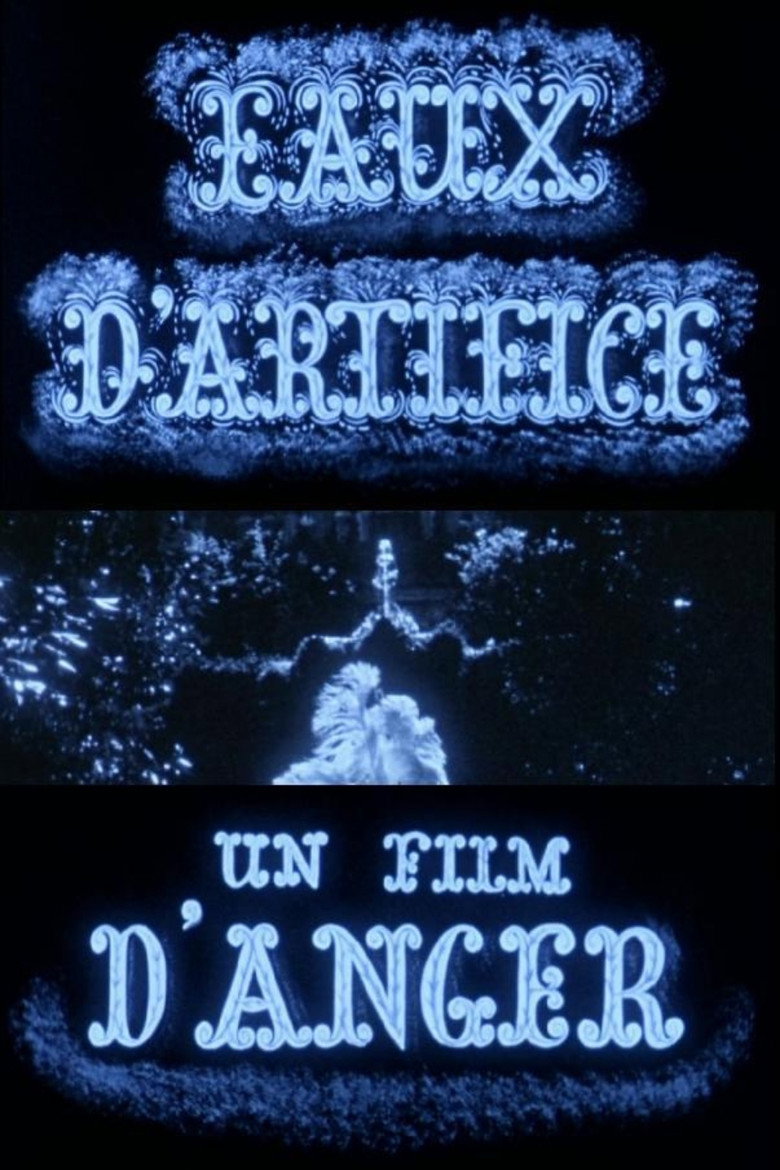
A woman dressed elegantly walks purposely through the water gardens at the Villa d'Este in Tivoli, as the music of Vivaldi's Winter movement of The Four Seasons plays. Heavy red filters give a blue cast to the light; water plays across stone, and fountains send it into the air. No words are spoken. Baroque statuary and the sensuous flow of water are back lit. Anger calls it water games.
Overall Score
Limited
Category Breakdown
LGBTQ+ Representation
The film relies on queer formalist experimentation rather than explicit character narratives. Sensuality and rhythmic light manipulation suggest a subtextual departure from heteronormative structures.
Gender Representation
A single female figure is integrated into a sensory landscape. The film avoids traditional gendered power dynamics or domestic roles, presenting her as an aesthetic element.
Racial & Ethnic Diversity
The work focuses on classical European statuary and abstract natural elements. There is no evidence of a diverse cast or the blending of racial identities.
Religious & Cultural Diversity
The film operates within a high-culture Western tradition using Vivaldi and Baroque architecture. It functions as a postmodern disruption of traditional storytelling methods.
Disability Representation
As a non-narrative study of light and water, the film contains no characters with visible or invisible disabilities.
Strengths
Areas for Improvement
AI Analysis
Kenneth Anger’s work functions as a visual poem that prioritizes sensory perception over social commentary. While the director is a foundational figure in queer cinema, this specific piece lacks explicit identity-based characters or dialogue. The film is deeply rooted in Western classical traditions, utilizing the Villa d'Este and Baroque compositions. This focus on high-culture European aesthetics results in a lack of racial and ethnic diversity. Ultimately, the film's strength lies in its experimental methodology. It challenges standard narrative requirements, even if it does not actively critique the institutions it inhabits.
1965
1949
1986
![Movie poster for anyone lived in a pretty [how] town](https://image.tmdb.org/t/p/w500/m6BTukf1PIgUZEFJoKTO2bJii0r.jpg)
1967

1972
2007
1964
2007
1949

1990
1973
1981
No reviews yet. Be the first to share your thoughts on this movie!
Use the rating form above to leave a star rating and optional review.