
Parsifal: The Search for the Grail
1998
No user ratings available yet
Diversity score: 2.2 out of 10

1973
GDirector
Robert Helpmann, Rudolf Nureyev
Runtime
111 minutes
Average Rating
No ratings yetSynopsis
A film adaptation of the Ludwig Minkus ballet, completely re-orchestrated and with additional music by John Lanchbery.
Overall Score
Limited
Category Breakdown
LGBTQ+ Representation
The production adheres to heteronormative frameworks. The central romantic arc focuses on courtly love between Don Quixote and Dulcinea, with no same-sex intimacy present.
Gender Representation
Narrative structures reinforce traditional romantic dynamics and chivalric tropes. While female dancers show technical mastery, the story relies on idealized, passive female archetypes.
Racial & Ethnic Diversity
Casting reflects the Eurocentric origins of the ballet. The ensemble maintains a traditional Western aesthetic without race-bent casting or non-Anglo-Saxon perspectives.
Religious & Cultural Diversity
The film celebrates Western classical tradition and European literature. It reinforces the preservation of high culture rather than engaging with contemporary systemic critiques.
Disability Representation
Quixote’s madness serves as a literary device for comedy and tragedy. It lacks the nuance required for a progressive exploration of neurodivergence.
Strengths
Areas for Improvement
AI Analysis
This filmed ballet is a formalist preservation of 19th-century tradition and Cervantes' literary archetypes. It prioritizes the technical execution of classical dance over contemporary explorations of identity or social hierarchy. The work operates within a strictly Eurocentric and heteronormative framework. It functions as a celebration of Western high culture, adhering to established period-appropriate archetypes rather than subverting them. Ultimately, the production lacks intersectional depth. It treats themes like mental instability as narrative tropes rather than nuanced character studies, resulting in a traditionalist approach to representation.
1998

1933
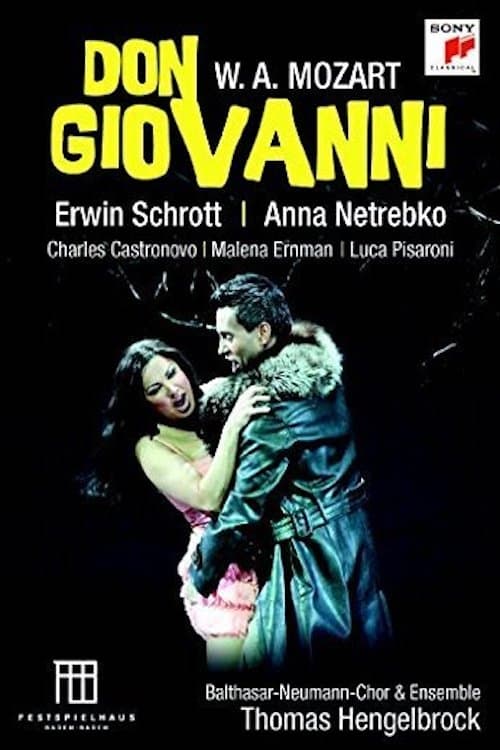
2013

1972

1954
1954
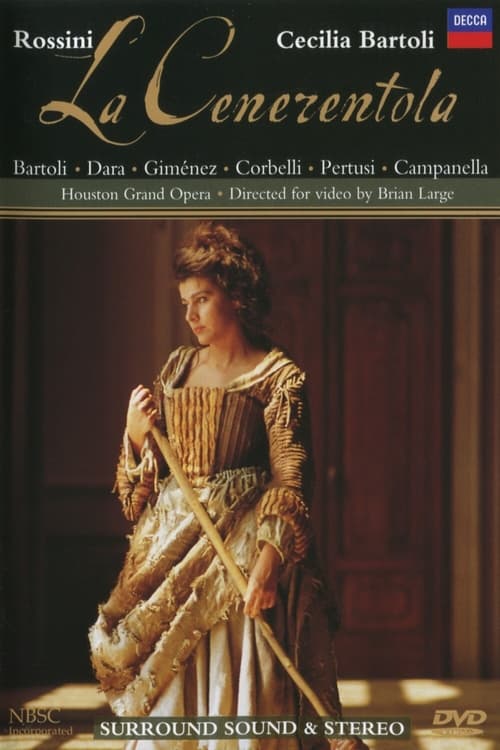
2001
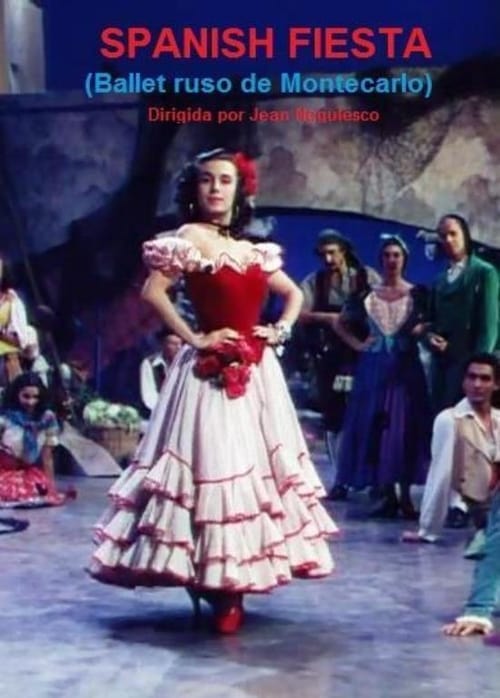
1942
1946
1994
1966
1980
No reviews yet. Be the first to share your thoughts on this movie!
Use the rating form above to leave a star rating and optional review.