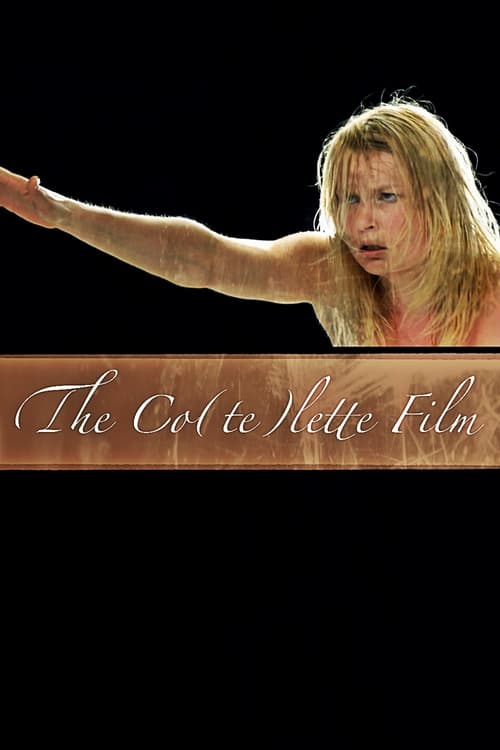
The Co(te)lette Film
2010
No user ratings available yet
Diversity score: 4.5 out of 10
1986
Director
Raúl Ruiz
Runtime
65 minutes
Average Rating
No ratings yetSynopsis
A Ruizian adaptation of Jean-Claude Gallotta's iconic wordless ballet choreography.
Overall Score
Fair
Category Breakdown
LGBTQ+ Representation
Gender expression and intimacy are conveyed through choreography rather than dialogue. The medium of ballet offers potential for fluid expression, though specific non-cisnormative portrayals are not explicitly detailed.
Gender Representation
The film uses dance to challenge traditional power dynamics through physical grace and strength. However, there is no specific evidence showing the subversion of traditional gendered roles.
Racial & Ethnic Diversity
There is insufficient information regarding the casting composition or the ethnic backgrounds of the performers to provide a definitive score.
Religious & Cultural Diversity
The wordless format disrupts Western linguistic traditions by prioritizing movement over dialogue. This approach favors abstract, subjective communication over rigid, institutionalized structures.
Disability Representation
There is no specific evidence regarding the inclusion of neurodivergent performers or individuals with physical disabilities.
Strengths
Areas for Improvement
AI Analysis
Raúl Ruiz’s adaptation of Jean-Claude Gallotta’s ballet relies on kinetic abstraction rather than verbal discourse. By removing dialogue, the film shifts the focus from linguistic identity to physical agency and visual semiotics. The work succeeds in subverting traditional storytelling norms through its non-linear, movement-based architecture. This structural choice challenges the dominance of Western language-based narratives. However, the absence of explicit character details makes it difficult to confirm specific intersectional representation. The film's impact is felt through its formal qualities rather than explicit social commentary.
2010
2006
![Movie poster for anyone lived in a pretty [how] town](https://image.tmdb.org/t/p/w500/m6BTukf1PIgUZEFJoKTO2bJii0r.jpg)
1967

2021

2018
2007
2007
1973

1972
1969
2003
2020
No reviews yet. Be the first to share your thoughts on this movie!
Use the rating form above to leave a star rating and optional review.