
Strauss Fantasy
1954
No user ratings available yet
Diversity score: 1.0 out of 10
No Poster Available
1973
TV-GDirector
Masanori Hata, Shōhei Imamura, Kei Kumai, Junya Satō, Isao Takahata
Runtime
125 minutes
Average Rating
No ratings yetSynopsis
A series of eight famous pieces of classical music, conducted by Leopold Stokowski and interpreted in Toys and Plush by Diecast Stories team of artists.
Overall Score
Minimal
Category Breakdown
LGBTQ+ Representation
The film functions as a musical anthology. There is no evidence of character development, romantic pairings, or gender identity exploration.
Gender Representation
The content focuses on the interpretation of classical music through inanimate objects. There are no depictions of gender hierarchies or traditional gender roles.
Racial & Ethnic Diversity
The work describes a musical interpretation of classical pieces rather than a narrative exploring racial dynamics. No measurable diversity is present through character-driven plot points.
Religious & Cultural Diversity
The film operates within the realm of classical music and abstract artistry. It does not engage with religious structures or socio-economic systems.
Disability Representation
The focus on musical interpretation through inanimate objects provides no platform for representing neurodivergence or physical disabilities.
Strengths
Areas for Improvement
AI Analysis
Fantasia (1973) is a specialized musical compilation rather than a character-driven narrative. Because the work utilizes toys and plush to interpret classical music, it lacks the human agency required for traditional identity-based representation. While the directorial collective includes prestigious figures from the Japanese New Wave, their social critique does not manifest here. The abstract, non-narrative format focuses entirely on auditory and aesthetic experiences. Ultimately, the use of inanimate objects as the primary subjects precludes any meaningful discussion of intersectional identity, gender, or social hierarchies.
1954
1940
1966
1973

2009
1950
1946

1972
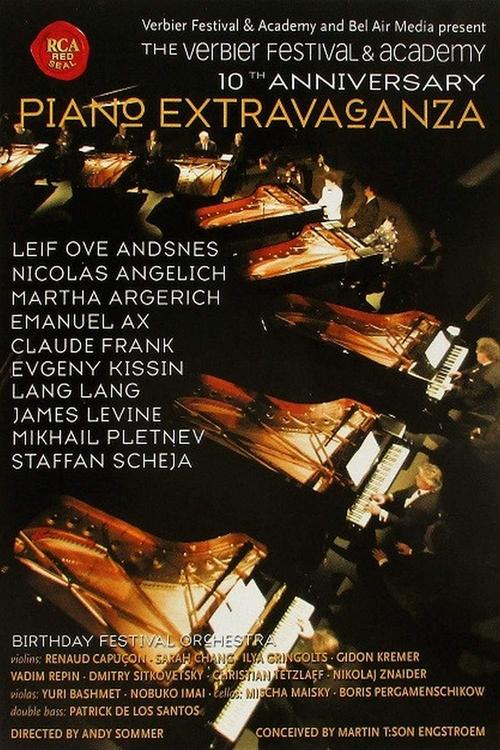
2004
1954
1948
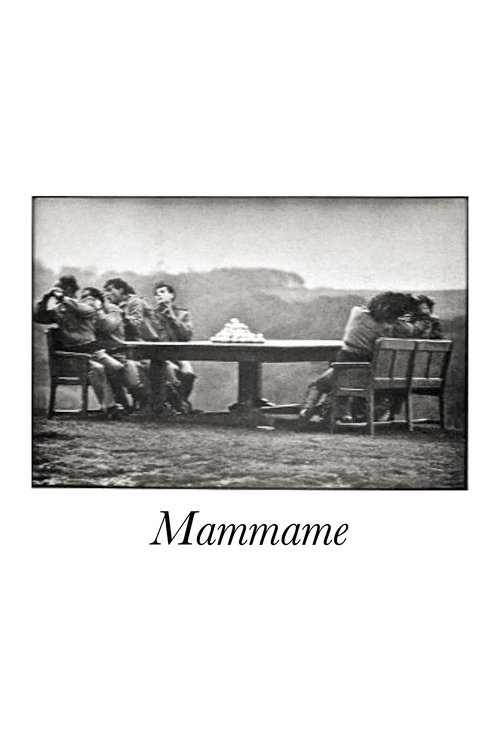
1986
No reviews yet. Be the first to share your thoughts on this movie!
Use the rating form above to leave a star rating and optional review.