Flamenco Flamenco
2010
No user ratings available yet
Diversity score: 5.8 out of 10
1992
Director
Carlos Saura
Runtime
53 minutes
Average Rating
No ratings yetSynopsis
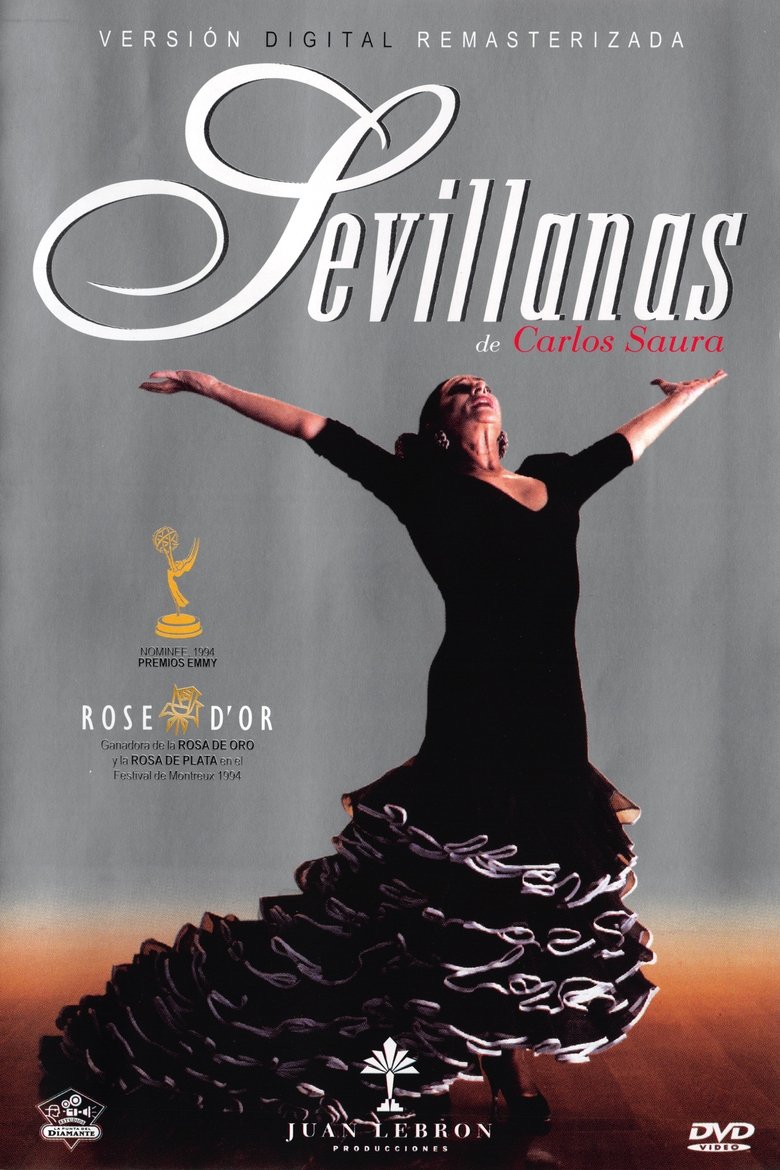
Filmed like a documentary, "Sevillanas" consists of eleven short performances by Spain's most famous flamenco dancers, singers and guitarists. Saura, well-known for his flamenco films ("Blood Wedding," "Carmen"), here provides an in-depth look at the Sevillanas form of flamenco and its dancers.
Overall Score
Good
Category Breakdown
LGBTQ+ Representation
The film lacks explicit narrative depictions of queer identities or same-sex intimacy. However, the expressive movement of flamenco may offer a fluidity of gender expression that challenges heteronormative standards.
Gender Representation
Female dancers and singers are given a platform to demonstrate technical mastery and agency. This centering disrupts the male-dominated gaze often found in historical ethnographic studies.
Racial & Ethnic Diversity
The cast is ethnically homogeneous, focusing on Spanish regional identity. The film functions as a concentrated celebration of specific sub-cultural heritage and regional folk traditions.
Religious & Cultural Diversity
Saura prioritizes the preservation of the Sevillanas form over commercial cinematic structures. The documentary format avoids spectacle, offering a nuanced look at heritage-based expression.
Disability Representation
There is no evidence regarding the inclusion of performers with visible or invisible disabilities.
Strengths
Areas for Improvement
AI Analysis
Carlos Saura’s documentary-style compilation serves as a sophisticated study of Spanish cultural identity. By focusing on eleven distinct performances, the film elevates regional practitioners to positions of central importance rather than treating them as mere spectacle. The work succeeds in disrupting traditional cinematic hierarchies through its ethnographic approach. It prioritizes the technical mastery of the artists, particularly female performers, over conventional narrative tropes. While the film lacks intersectional complexity or diverse identity politics, it provides a meaningful platform for the preservation of specific folk traditions. It is a specialized celebration of heritage through a non-traditional lens.
2010

2014
2007
2003
2014
1998
1995
1961
1986

1972
2010
2020
No reviews yet. Be the first to share your thoughts on this movie!
Use the rating form above to leave a star rating and optional review.