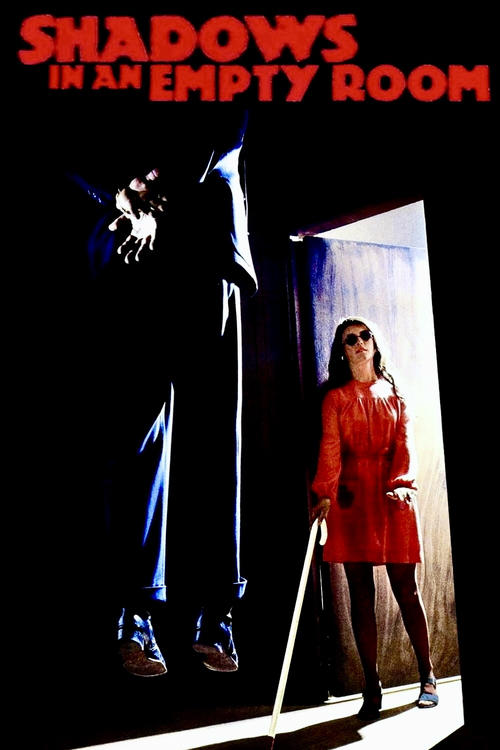
Shadows in an Empty Room
1976
No user ratings available yet
Diversity score: 2.8 out of 10

1946
NRDirector
Wilhelm Thiele
Runtime
76 minutes
Average Rating
No ratings yetSynopsis
This drama is an updated version of Ulmer's 1944 film Bluebeard. It is set in New York and follows the exploits of an eccentric Parisian painter who has come to New York to escape a controversy surrounding his work. The trouble stems when the model he has used in all his work is found floating dead in the Seine.
Overall Score
Limited
Category Breakdown
LGBTQ+ Representation
The film lacks any mention of non-cisnormative identities or same-sex dynamics. It appears to adhere to the heteronormative standards typical of 1946 cinema.
Gender Representation
The story centers on a male painter and a female model. The woman serves as a plot catalyst through her death rather than possessing independent agency.
Racial & Ethnic Diversity
The narrative focuses on a French protagonist in New York. It reflects the homogeneous demographic norms of mid-century Western cinema without indicating a diverse cast.
Religious & Cultural Diversity
Themes revolve around artistic eccentricity and personal mystery. The film does not critique Western institutions or promote secular or anti-traditionalist values.
Disability Representation
There is no evidence regarding the portrayal of physical or neurodivergent disabilities within the film's narrative.
Strengths
Areas for Improvement
AI Analysis
The Madonna's Secret is a mid-century mystery-drama that prioritizes individualistic, artist-centric storytelling over systemic or intersectional themes. The plot follows an eccentric Parisian painter navigating a scandal involving a deceased model, adhering closely to the genre conventions of the 1940s. Because the narrative focuses on a singular protagonist's struggle with reputation and crime, it lacks a framework for social critique. The film functions as a traditional character study rather than a tool for sociological subversion. Ultimately, the work reflects the era's standard cinematic structures, emphasizing personal mystery and European artistic sensibilities over diverse representation.
No reviews yet. Be the first to share your thoughts on this movie!
Use the rating form above to leave a star rating and optional review.