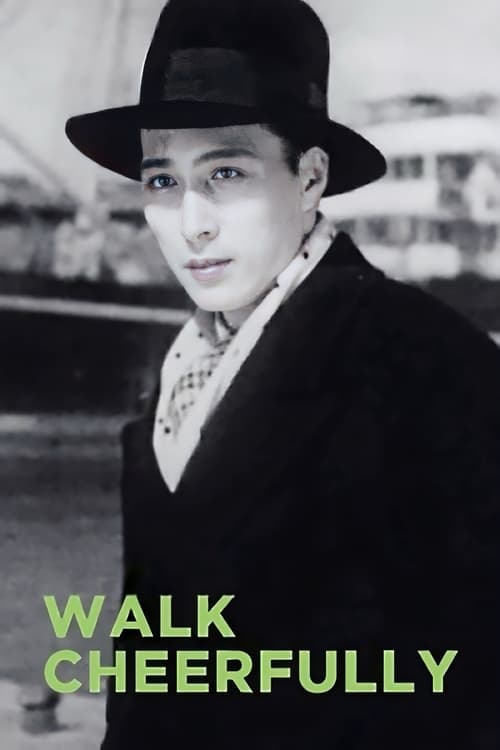
Walk Cheerfully
1930
No user ratings available yet
Representation score: 2.7 out of 10
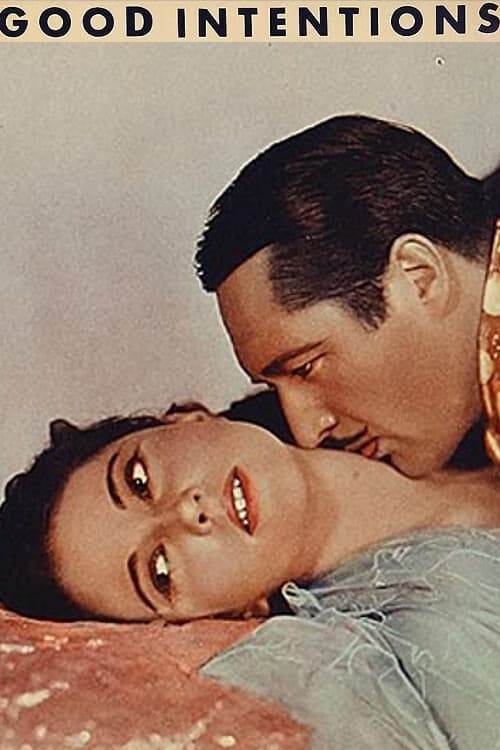
Representation Score
Minimal
1930
PassedDirector
William K. Howard
Runtime
69 minutes
Average Rating
No ratings yetNew Showbiz Analysis
Good Intentions is a conventional social drama that centers on a character's moral redemption and personal reform. The film adheres to the standard expectations of its era, focusing on a male protagonist's journey of redemption. The narrative architecture prioritizes a male-driven arc of reform, upholding the period's established norms regarding gender, race, and morality without challenging them. Ultimately, the film reflects the demographic and cultural homogeneity prevalent in early sound-era Hollywood.
Category Breakdown
The film follows traditional heterosexual relationships and does not include any LGBTQ+ characters or stories.
The story centers around a male character's journey towards redemption and improved social standing, following the gender roles common in the early 20th century.
The cast reflects the predominantly white makeup of 1930s Hollywood, with no representation of diverse ethnicities.
The film emphasizes conventional morality and Western social order, focusing on personal integrity and reform without questioning the systems that lead to criminal behavior.
There is no specific information regarding the depiction of physical or neurodivergent disabilities in this film.
Present on Screen
Limited or Absent
Official Synopsis
When love came the way of this gentleman crook he turned to the right---only to be caught in the swirling eddy of his criminal past! (original ad)
1930
1931
1933

1934
1932
1932
1931

1932
No reviews yet. Be the first to share your thoughts on this movie!
Use the rating form above to leave a star rating and optional review.