
Scarface
1932
No user ratings available yet
Representation score: 3.2 out of 10
Representation Score
Limited
1931
PassedDirector
William A. Wellman
Runtime
84 minutes
Average Rating
No ratings yetNew Showbiz Analysis
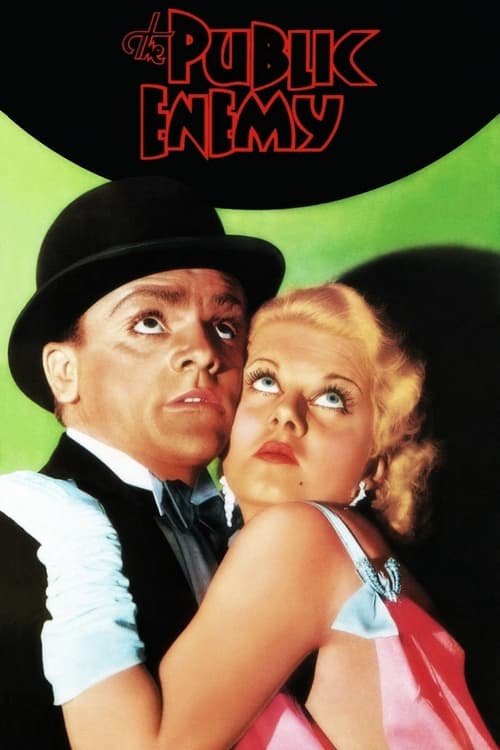
The Public Enemy is a seminal work in social realism that prioritizes a critique of systemic failures over demographic inclusion. It excels at depicting the environmental factors that lead to crime within a specific socioeconomic context, challenging the era's standard depictions of authority. However, the film falls short by modern standards regarding identity representation. It lacks LGBTQ+ presence, disability representation, and racial diversity, focusing narrowly on a white, urban immigrant working-class perspective. Ultimately, the film's strength lies in its cultural subversion rather than its demographic breadth. It presents a gritty, naturalistic view of how institutional failures shape criminal lives.
Category Breakdown
The story focuses on traditional heterosexual relationships and family structures, without any queer undertones.
Female characters mainly serve as romantic foils or victims. Although the protagonist's relationship with his mother adds psychological depth, the film lacks significant roles for women.
The film centers on a homogeneous white, urban immigrant working-class community. It lacks diverse ethnic perspectives and characters who reflect more than one aspect of diversity.
The film portrays law enforcement as ineffective and frames criminal behavior as a response to systemic socioeconomic hardship.
There is no representation of physical, sensory, or neurodivergent disabilities. Characters are defined by their socioeconomic status and involvement in criminal activities.
Present on Screen
Limited or Absent
Official Synopsis
Two young Chicago hoodlums, Tom Powers and Matt Doyle, rise up from their poverty-stricken slum life to become petty thieves, bootleggers and cold-blooded killers. But with street notoriety and newfound wealth, the duo feels the heat from the cops and rival gangsters both. Despite his ruthless criminal reputation, Tom tries to remain connected to his family, however, gang warfare and the need for revenge eventually pull him away.
1932
1931
1938
1937
1950
1939

1973

1937
No reviews yet. Be the first to share your thoughts on this movie!
Use the rating form above to leave a star rating and optional review.