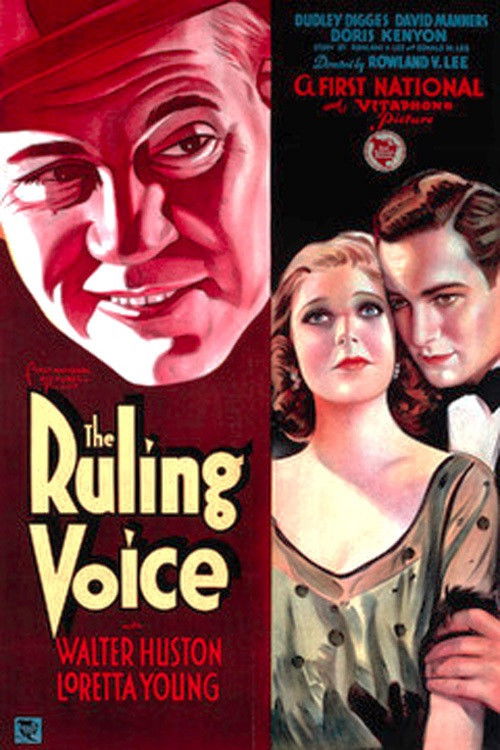
The Ruling Voice
1931
No user ratings available yet
Representation score: 0.6 out of 10
Representation Score
Limited
1933
Director
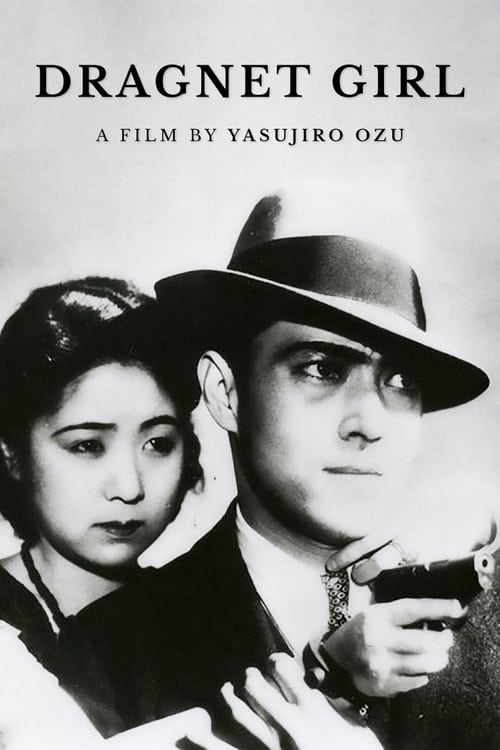
Yasujirō Ozu
Runtime
100 minutes
Average Rating
No ratings yetNew Showbiz Analysis
Yasujirō Ozu’s *Dragnet Girl* provides a compelling look at individual ability to act within the strict social hierarchies of 1930s Tokyo. By centering a female protagonist in a criminal underworld, the film challenges traditional female archetypes. While the film offers a nuanced exploration of gender and social respectability, its demographic scope is limited by its historical context. The cast reflects the specific domestic setting of the time. Ultimately, the film stands as an early departure from traditional storytelling. It deconstructs social roles through its focus on characters operating outside of conventional morality.
Category Breakdown
The film does not include any characters with non-binary gender identities or same-sex romantic relationships. The story focuses solely on heterosexual relationships.
The film highlights the experiences of a woman in a male-dominated criminal world. The protagonist plays a significant role in driving the story despite societal pressures.
As a Japanese film, the cast is uniform and reflects the specific cultural context of the time. There is no Western casting influence.
The film explores the moral dilemmas faced by individuals living on the fringes of society. It looks at the impact of urban life on family stability.
There is no representation of physical, sensory, or cognitive disabilities in the film.
Present on Screen
Limited or Absent
Official Synopsis
A gangster tries to find redemption with the inadvertent help of an innocent shop girl and his jealous girlfriend will do anything to keep him.
1931

1933

1930

1930

1930

1932

1931

1935
No reviews yet. Be the first to share your thoughts on this movie!
Use the rating form above to leave a star rating and optional review.