
Paid
1930
No user ratings available yet
Representation score: 1.8 out of 10
Representation Score
Minimal
1937
ApprovedDirector
Raymond Cannon
Runtime
62 minutes
Average Rating
No ratings yetNew Showbiz Analysis
The film is a period-typical crime drama that adheres strictly to the social and narrative conventions of 1937. It focuses on individual grievances, such as Bob Terry's quest for revenge, rather than broader social critiques. While the story touches on the fallibility of institutions and the impact of systemic errors on individuals, it lacks the intention to disrupt traditional clichés. Characters and conflicts remain rooted in the standard dramatic conventions of the era. Ultimately, the work lacks depth in reflecting multiple aspects of identity, providing a homogeneous view of class and gender that aligns with the mainstream cinematic standards of its time.
Category Breakdown
The film focuses on a traditional heterosexual relationship between Bob Terry and Lois Borden. It follows typical 1930s romantic storylines without delving into non-straight or non-cisgender identities.
Male characters drive the plot through themes of revenge and justice. Lois Borden primarily serves as a romantic catalyst and a symbol of status rather than an independent agent.
The narrative seems to center around a homogeneous cast. There is no indication of diverse ethnic or non-Anglo-Saxon representation within the story.
The film critiques capitalist structures through themes of institutional failure. However, it frames these issues through personal grievances and restorative justice rather than systemic ideology.
There is no evidence of physical, sensory, or neurodivergent representation. A character's fatal injury serves as a plot device rather than an exploration of disability.
Present on Screen
Limited or Absent
Official Synopsis
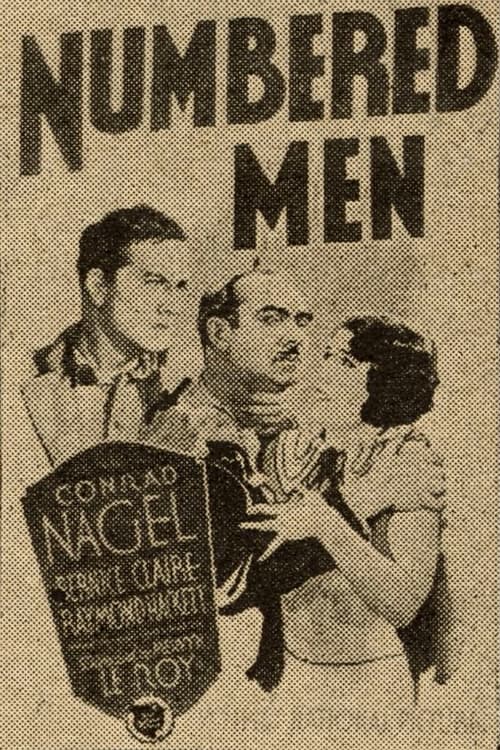
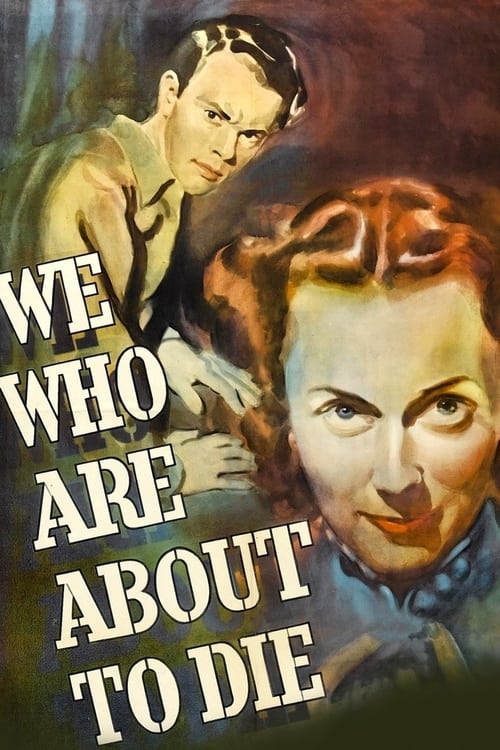
Bob Terry is in love with Lois Borden the daughter of his employer, John Borden. When some bonds are missing from the office, Bob is accused and because of Borden's strong sense of obligation to his stockholders, Bob is railroaded to prison. A few years later, the real thief is apprehended and Bob is released. He now begins his plan for revenge against Borden with the aid of his prison cell mate Todd and a gangster, John Carmody. Soon, some bonds are missing again and Borden knows Bob is involved but because Bob has suffered at his hands before, Borden assumes the responsibility and is about to be sentenced to prison. Todd is shot while trying to steal the bonds back from Carmody, but gets the bonds back to Bob and, before he dies, begs Bob to return them to the owner.
1930
1948
1930

1952
1938
1930
1937
1930
No reviews yet. Be the first to share your thoughts on this movie!
Use the rating form above to leave a star rating and optional review.