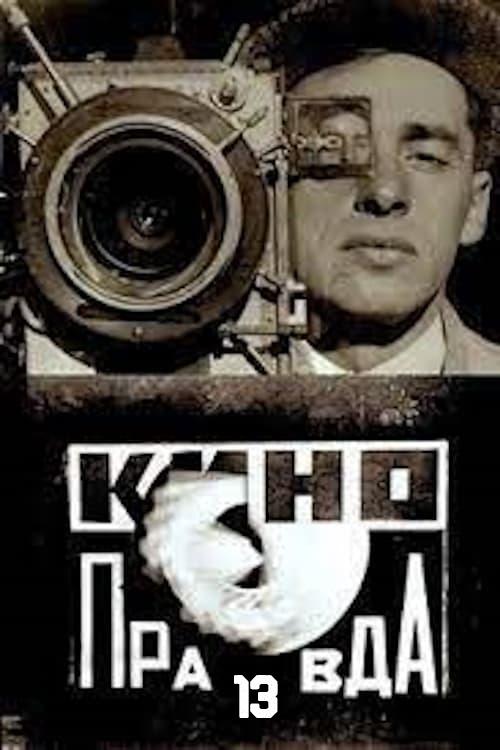
Kino-Pravda No. 13: Yesterday, Today, Tomorrow. A Film Poem Dedicated to the October Revolution
1922
No user ratings available yet
Representation score: 6.8 out of 10
Representation Score
Limited
1919
Director
Dziga Vertov
Runtime
14 minutes
Average Rating
No ratings yetNew Showbiz Analysis
Dziga Vertov’s work serves as a radical historical artifact that prioritizes collective identity over individualist frameworks. It excels in its cultural critique, actively dismantling Western religious and capitalist institutions in favor of a socialist worldview. However, the film's impact on specific identity politics is limited. While it aims to disrupt traditional hierarchies through class-based unity, it offers little concrete evidence regarding women's roles or racial diversity. Ultimately, the film functions as a tool for political reorganization rather than a medium for exploring diverse personal identities.
Category Breakdown
The film does not include any verified LGBTQ+ characters or narratives. It focuses primarily on state and organizational structures rather than individual identity politics.
The documentary tries to challenge traditional gender roles from the Tsarist era by emphasizing collective labor. However, there is no clear depiction of women taking a leading role in the story.
The film highlights a multi-ethnic proletariat as a unified revolutionary force. This approach aims to break down mono-ethnic imperialist norms by defining identity through class.
The work strongly criticizes Western and bourgeois institutions. It prioritizes secular, socialist structures over traditional religious or monarchical values to shape a new social order.
There is no documented evidence of characters with visible or invisible disabilities. The film does not address disability representation within its documentary scope.
Present on Screen
Limited or Absent
Official Synopsis
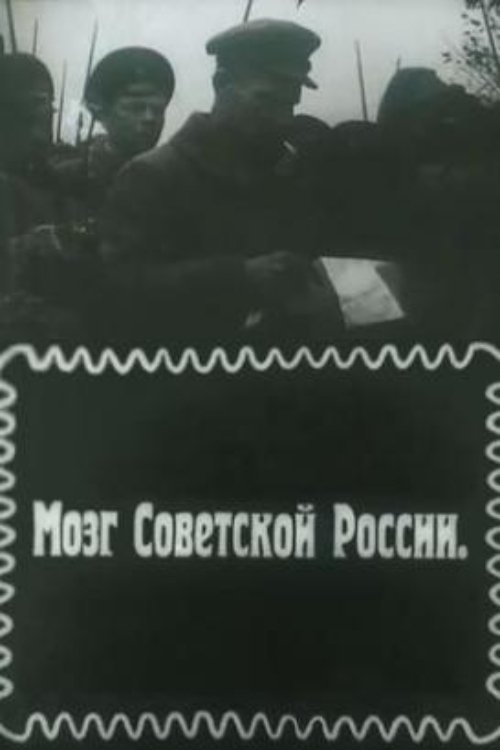
This film shows the leaders of organizations that emerged after the Russian Revolution. It is the fragment of ‘Anniversary of the Revolution’ made by Vertov in 1918.
1922

1929
1923
1935
1922
2017
1934

1922
No reviews yet. Be the first to share your thoughts on this movie!
Use the rating form above to leave a star rating and optional review.