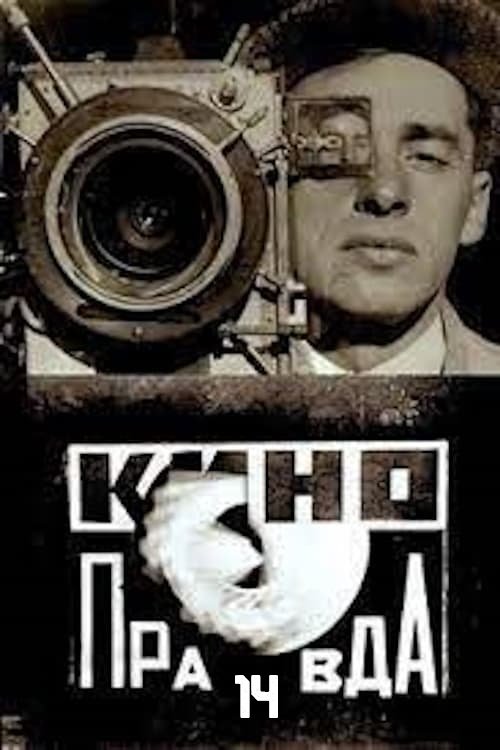
Kino-Pravda No. 14
1923
No user ratings available yet
Representation score: 4.2 out of 10
Representation Score
Fair
1922
Director
Dziga Vertov
Runtime
18 minutes
Average Rating
No ratings yetNew Showbiz Analysis
Dziga Vertov’s work marks a radical departure from traditional narrative structures, using the 'Kino-Eye' to decode social reality. The film excels in its cultural critique, aggressively dismantling Western capitalist and religious hierarchies in favor of a materialist, collectivist worldview. However, the documentary's focus on state-building and industrial labor results in a lack of representation for specific underrepresented groups. The absence of LGBTQ+ and disability narratives brings down the overall diversity score despite the film's progressive social architecture. Ultimately, the work is a profound disruption of cinematic power dynamics. It shifts the focus from individual stories to the collective experiences of a multi-ethnic, working-class society.
Category Breakdown
The newsreel focuses strictly on state functions and the collective workforce. There are no documented LGBTQ+ characters or narratives present in this segment.
Women are shown as active participants in the labor force and in youth organizations. Their roles avoid traditional domestic stereotypes but are primarily defined by their utility to the state.
The footage captures a wide range of ethnicities involved in trade unions and military activities. This visual record highlights a non-Western, multi-ethnic collective.
The film emphasizes secularism and the reduction of religious influence. It portrays industrialization and the working class as a necessary evolution away from Tsarist and capitalist systems.
There is no noticeable focus on or representation of individuals with physical or neurodivergent disabilities within the footage.
Present on Screen
Limited or Absent
Official Synopsis
Dziga Vertov-directed Soviet newsreel covering: All-Russian Congress of Trade Unions / Delegations and diplomats / Renaming of a confectionery factory / Unloading supplies / Komsomol Day / Red Army maneuvers.
1923

1929

1922

1927
1922

1922

1922
1923
No reviews yet. Be the first to share your thoughts on this movie!
Use the rating form above to leave a star rating and optional review.