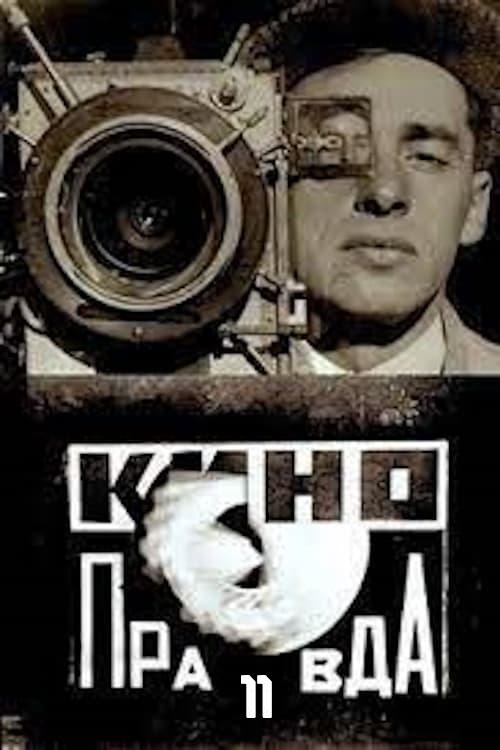
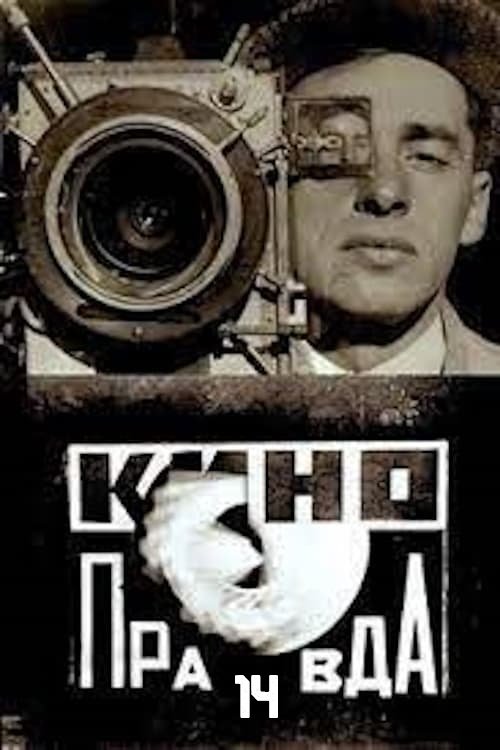
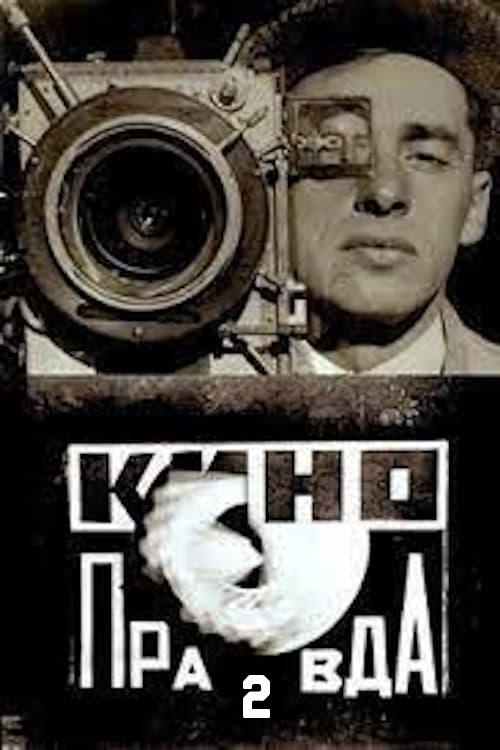
Kino-Pravda No. 11
1922
No user ratings available yet
Representation score: 4.3 out of 10
Representation Score
Fair
1923
Director
Dziga Vertov
Runtime
14 minutes
Average Rating
No ratings yetNew Showbiz Analysis
Dziga Vertov’s newsreel is a radical departure from traditional narrative cinema, focusing instead on the unmediated social reality of the proletariat. It succeeds as a tool for systemic critique, dismantling Western capitalist hierarchies in favor of a collective, internationalist worldview. However, the film’s commitment to the industrial collective comes at the expense of individual identity. It lacks any representation of LGBTQ+ individuals or people with disabilities, focusing strictly on the political and economic machinery of the state. Ultimately, the work is a study in ideological representation. It trades personal diversity for a sweeping, secular, and anti-bourgeois cultural framework that seeks to redefine the social order through the lens of the worker.
Category Breakdown
The newsreel documents political congresses and industrial life. It contains no characters or narratives addressing sexual orientation or gender identity.
The film deconstructs patriarchal hierarchies by centering the collective laborer. While it suggests an egalitarian 'new Soviet person,' it focuses more on industrial mass movements than individual gender roles.
The footage engages with internationalism through its focus on the Comintern. It emphasizes a transnational, non-Anglo-centric social order, serving as a precursor to post-colonial perspectives.
The work explicitly rejects bourgeois structures and Western institutions. It prioritizes a secular, socialist framework, replacing religious influence with organized political movement and the dignity of the laborer.
The film focuses on the industrial and political strength of the working class. There is no evidence of characters with disabilities being portrayed with significant roles.
Present on Screen
Limited or Absent
Official Synopsis
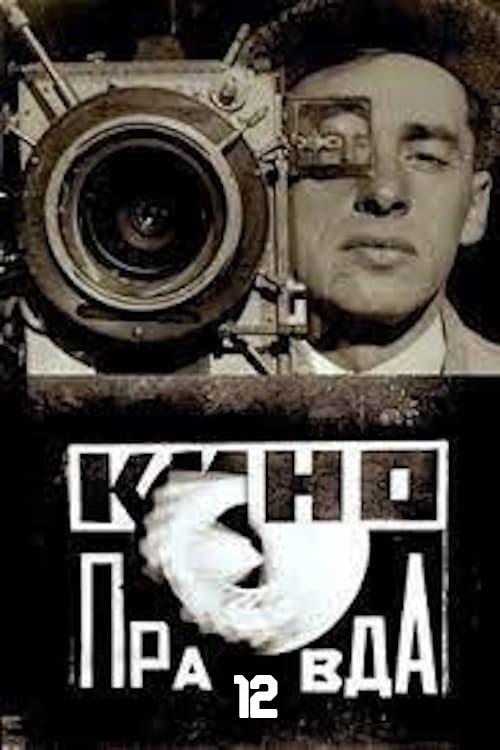
Dziga Vertov-directed Soviet newsreel covering: IV. Congress of the Comintern / Congress of the Profintern.
1922

1929

1922
1935
1922

1922

1922
1922
No reviews yet. Be the first to share your thoughts on this movie!
Use the rating form above to leave a star rating and optional review.