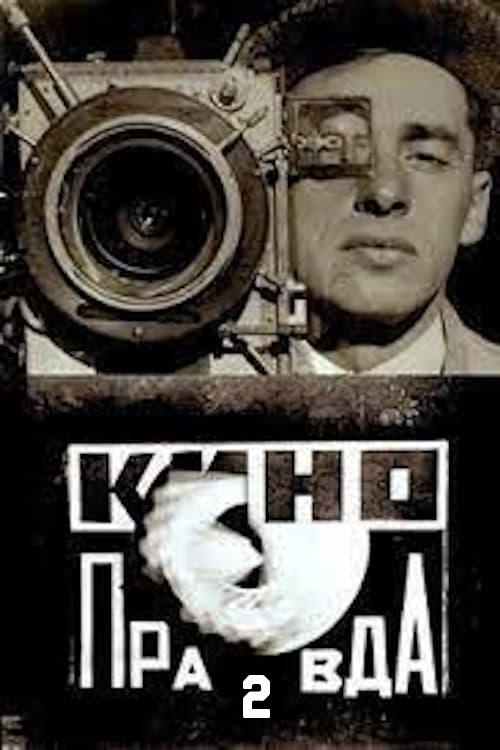
Kino-Pravda No. 2
1922
No user ratings available yet
Representation score: 4.5 out of 10

Representation Score
Fair
1922
Director
Dziga Vertov
Runtime
8 minutes
Average Rating
No ratings yetNew Showbiz Analysis
Dziga Vertov’s work serves as a radical tool for social restructuring, utilizing a montage-based approach to deconstruct perceived truths. The film excels in its systemic critique, specifically through its anti-capitalist framework and its subversion of patriarchal norms by placing women in the public workforce. While the newsreel lacks focus on individual identity politics like LGBTQ+ or disability representation, it succeeds in presenting a diverse, multi-ethnic working class. It replaces individual character studies with a unified, albeit state-framed, vision of a new social order. Ultimately, the film's strength lies in its intentionality. It moves beyond mere documentation to actively challenge traditional Western institutional authority and gender hierarchies.
Category Breakdown
The newsreel focuses solely on the collective proletariat and state-sanctioned social movements. There is no documented evidence of LGBTQ+ characters or non-straight relationships within this historical context.
The film disrupts traditional hierarchies by centering women within industrial and public spheres. It emphasizes their participation in the workforce rather than portraying them in domestic or submissive roles.
The film provides a visual record of the diverse ethnic compositions within the early Soviet territory. These depictions challenge the homogeneity often found in Western cinematic traditions of the era.
The work is a seminal critique of Western capitalist structures and religious influence. It prioritizes secularism and celebrates the triumph of the worker over old-world institutions.
There is no significant evidence regarding the portrayal of individuals with disabilities in this newsreel.
Present on Screen
Limited or Absent
Official Synopsis
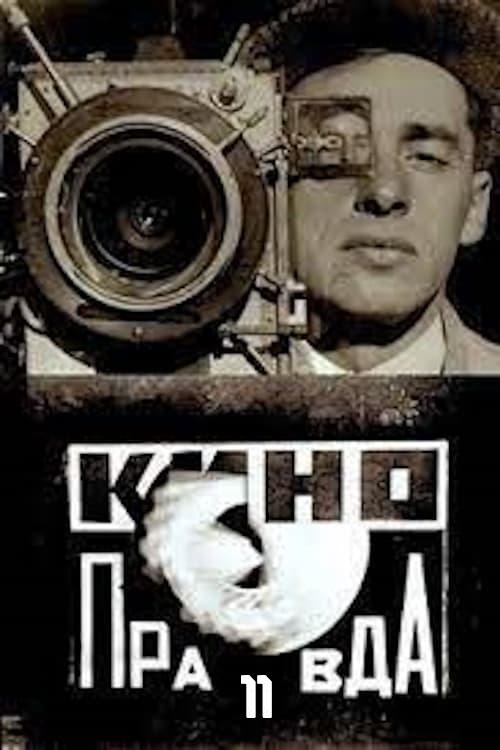
Dziga Vertov-directed Soviet newsreel covering: Trial of the Socialist Revolutionaries / Demonstrators carrying banners.
1922
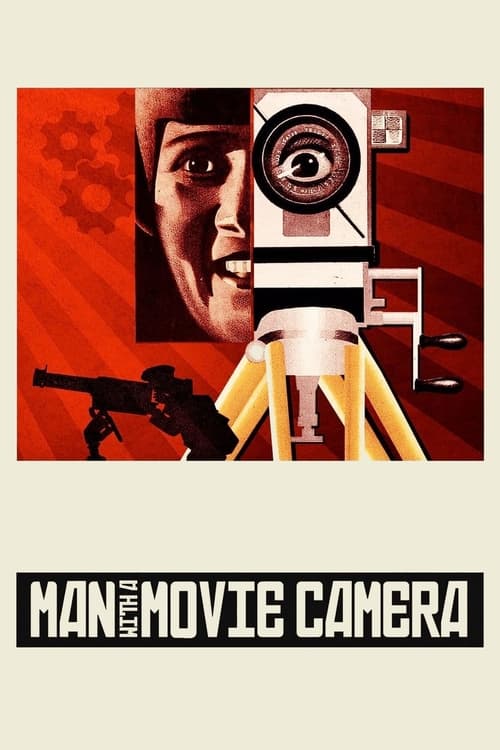
1929

1922
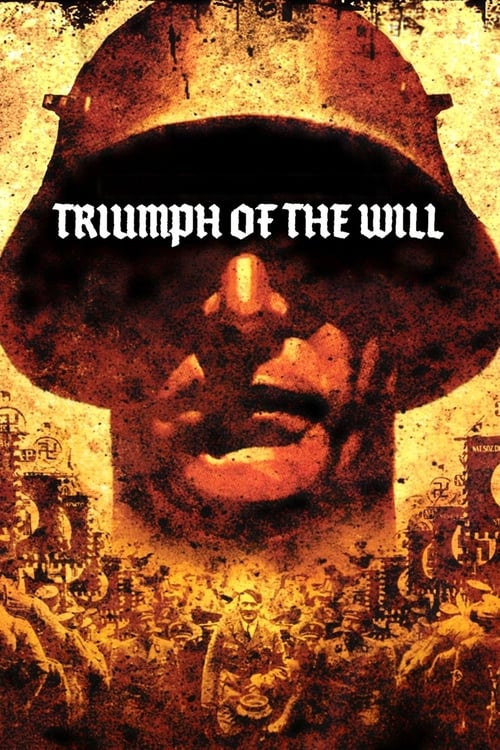
1935
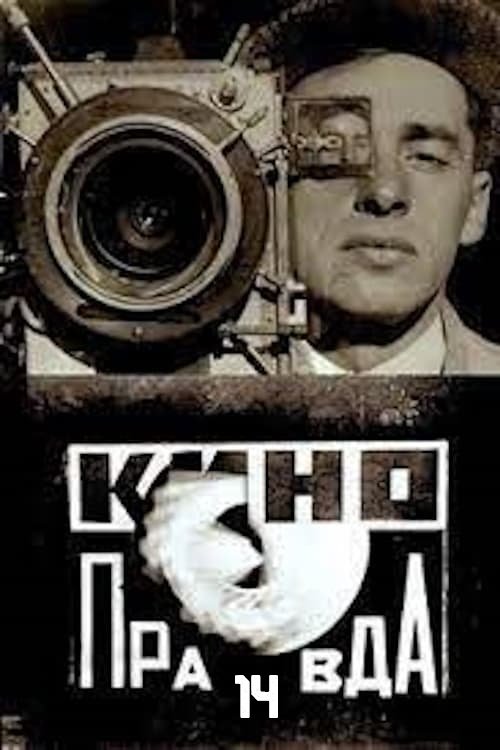
1923
2015

1922
1922
No reviews yet. Be the first to share your thoughts on this movie!
Use the rating form above to leave a star rating and optional review.