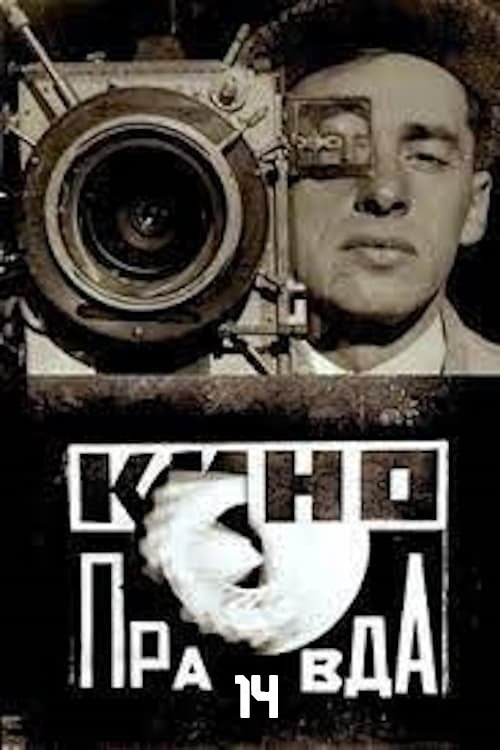
Kino-Pravda No. 14
1923
No user ratings available yet
Representation score: 4.2 out of 10
Representation Score
Good
1922
Director
Dziga Vertov
Runtime
37 minutes
Average Rating
No ratings yetNew Showbiz Analysis
Dziga Vertov’s work succeeds in dismantling traditional social hierarchies by emphasizing a communal, class-based identity. By centering women in the workforce and representing diverse ethnic groups as a unified proletariat, the film offers a transformative view of social organization. However, the film's focus on the 'idealized worker' creates significant gaps. The absence of LGBTQ+ representation and the lack of focus on individuals with disabilities reflect a narrow definition of the revolutionary subject, prioritizing industrial utility over individual diversity.
Category Breakdown
The newsreel focuses entirely on class struggle and industrial progress, with no depiction of non-straight or non-cisgender identities or same-sex relationships within this historical context.
Women are shown as active participants in labor and civic life rather than in domestic roles. The montage emphasizes their role in driving the story forward.
The film portrays a multi-ethnic working class as a unified force through class solidarity. It prioritizes collective worker identity over individualistic or mono-ethnic narratives.
The work critiques Western institutions such as monarchy and religion. It celebrates the dismantling of these structures in favor of a secular, industrial modernity.
Subjects are primarily presented through their capacity for industrial labor. People with visible disabilities are largely absent from the celebratory montage of the new state.
Present on Screen
Limited or Absent
Official Synopsis
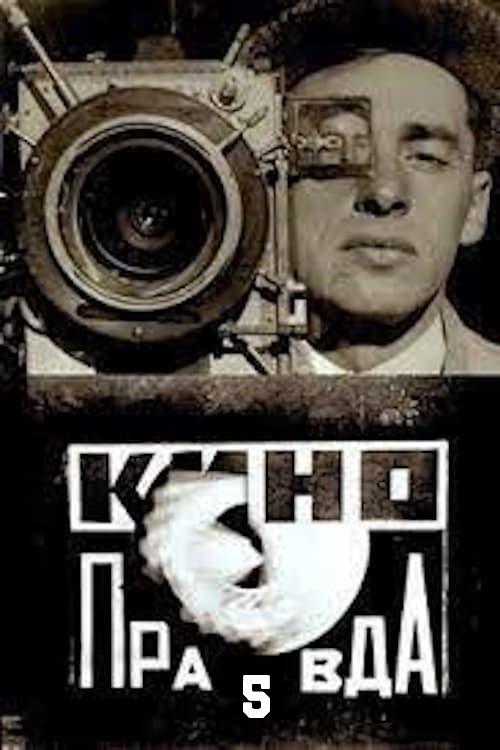
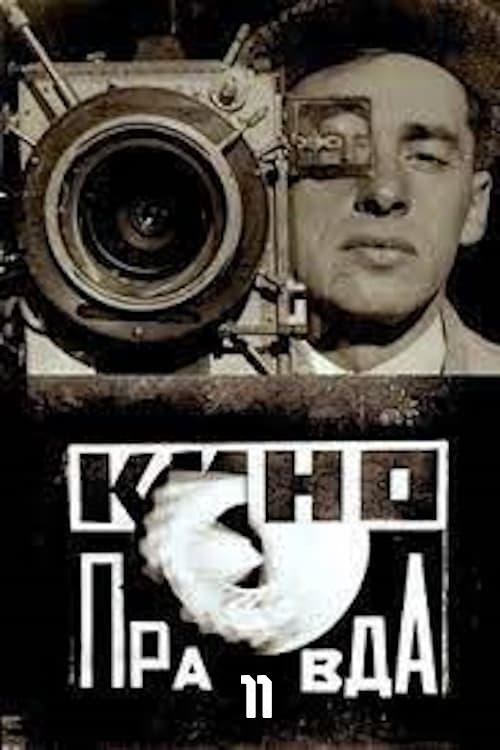
Dziga Vertov-directed Soviet newsreel. The first themed issue of Kino-Pravda, devoted to the fifth anniversary of the October Revolution in 1922.
1923

1929
1922

1927
1922

2015
1922
1922
No reviews yet. Be the first to share your thoughts on this movie!
Use the rating form above to leave a star rating and optional review.