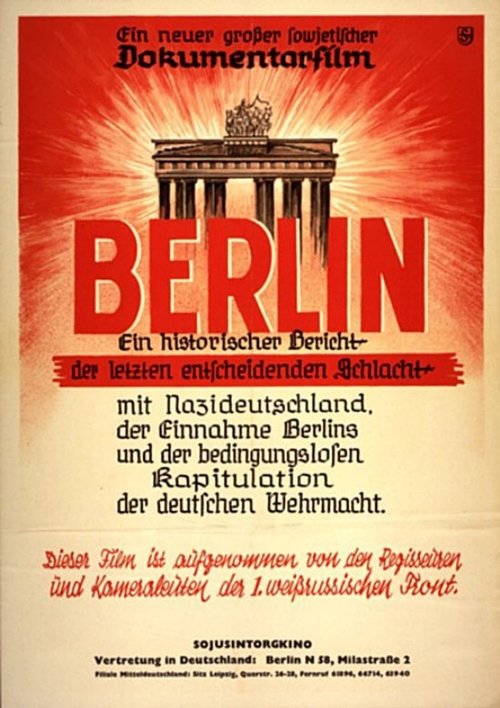
The Fall of Berlin
1945
No user ratings available yet
Diversity score: 3.4 out of 10
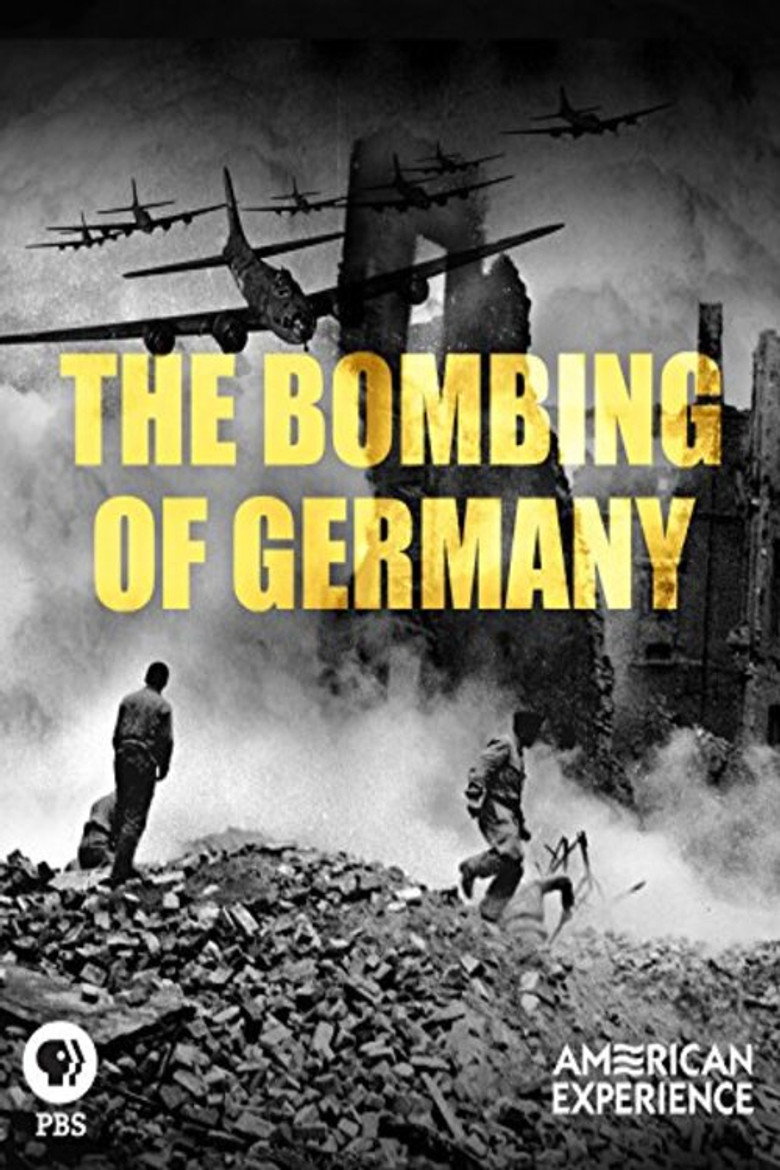
2010
TV-14Director
Zvi Dor-Ner
Runtime
53 minutes
Average Rating
No ratings yetSynopsis
On September 1, 1939 the first day of World War II in Europe President Franklin D. Roosevelt appealed to the warring nations to under no circumstances undertake the bombardment from the air of civilian populations. Just six years later, British and American Allied forces had carried out a bombing campaign of unprecedented might over Germany s cities, claiming the lives of nearly half a million civilians. The Bombing of Germany examines the defining moments of the offensive that led the U.S. across a moral divide. Weaving together interviews with WWII pilots and historians, and stunning archival footage of the bombing and its aftermath, this AMERICAN EXPERIENCE film is a haunting reminder of the dilemma imposed by war's civilian casualties.
Overall Score
Fair
Category Breakdown
LGBTQ+ Representation
The documentary focuses on the geopolitical and military mechanics of World War II. It contains no narratives addressing non-heteronormative identities.
Gender Representation
The narrative centers on male-dominated military actions and pilots. While it includes the civilian experience, it does not highlight female leadership or subvert gender hierarchies.
Racial & Ethnic Diversity
Representation is constrained by the era's social realities, focusing on British, American, and German populations. It lacks specific emphasis on non-Anglo-Saxon demographics.
Religious & Cultural Diversity
The film disrupts patriotic tropes by focusing on the moral dilemma of civilian casualties. It critiques traditional morality by examining the systemic consequences of state-sanctioned violence.
Disability Representation
Archival footage depicts the physical trauma and injury resulting from bombings. These elements serve as historical evidence rather than character-driven stories of agency.
Strengths
Areas for Improvement
AI Analysis
The film prioritizes historical inquiry and ethical complexity over identity-based representation. It avoids a celebratory nationalist narrative, opting instead to examine the moral divide created by the Allied bombing campaign. While the documentary lacks specific focus on LGBTQ+ or neurodivergent narratives, it succeeds in its cultural critique. By highlighting the destruction of cities and the loss of civilian lives, it challenges the perceived moral clarity of mid-century warfare. Ultimately, the work functions as a nuanced study of institutional military decisions and their human costs, rather than a traditional war documentary.
1945
1943
1987

2014
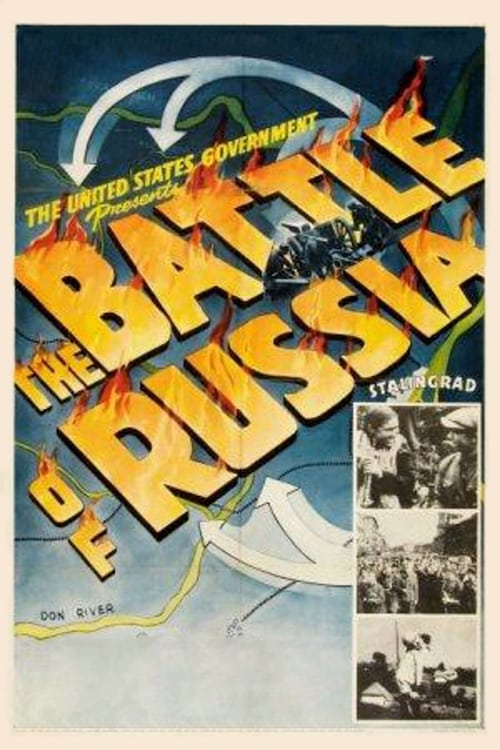
1943
1964
2014
2020
2019
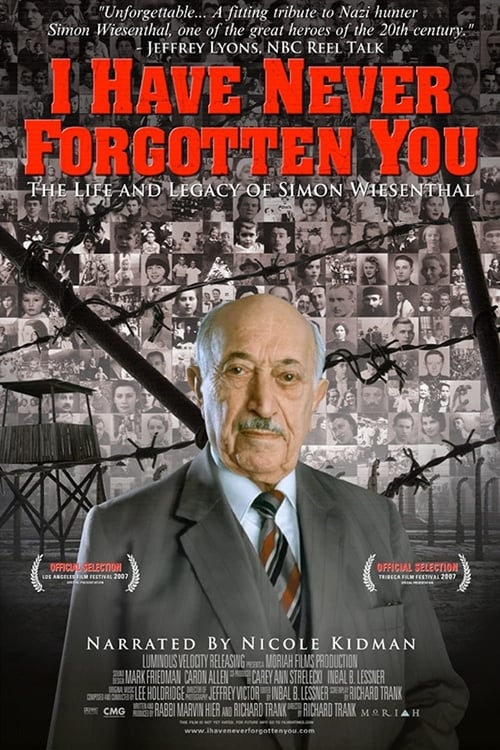
2007

1971
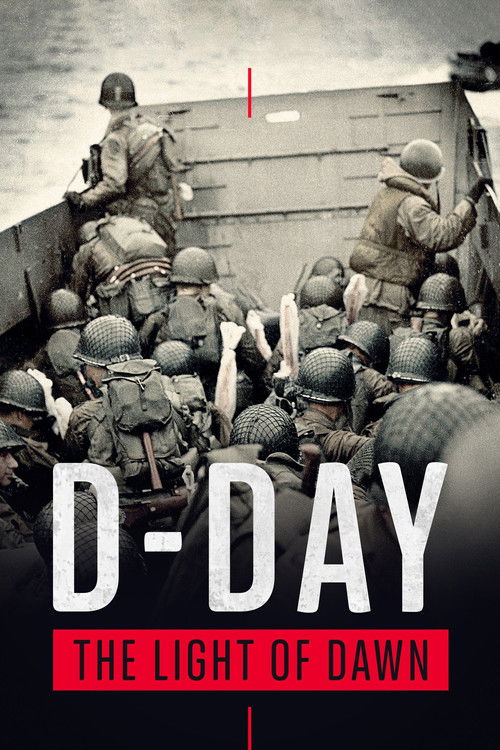
2014
No reviews yet. Be the first to share your thoughts on this movie!
Use the rating form above to leave a star rating and optional review.