9/11: Life Under Attack
2021
No user ratings available yet
Representation score: 3.3 out of 10
Representation Score
Good
2021
TV-14Director
Karen Edwards
Runtime
85 minutes
Average Rating
No ratings yetNew Showbiz Analysis
Karen Edwards deconstructs the traditional historical documentary by removing the authoritative 'voice of God' narrator. This structural choice shifts power from institutions to the individuals experiencing the tragedy. By centering raw, first-person perspectives, the film provides a platform for subjective, humanistic storytelling. While the documentary lacks intentional, identity-based programming, its commitment to unfiltered, unmediated footage allows for a naturalistic depiction of a diverse population. The film succeeds in presenting a cross-section of humanity through the lens of personal experience rather than top-down historical instruction. However, the reliance on archival footage creates limitations in verifying specific representation for LGBTQ+ or disabled communities. The film captures the visceral reality of a crisis, but does not explicitly feature character-driven narratives centered on these specific identities.
Category Breakdown
The film uses found footage and personal diaries, making it hard to identify specific LGBTQ+ narratives or critiques of heteronormativity. There is no clear evidence of non-traditional gender narratives.
The documentary emphasizes vulnerability and collective fear rather than traditional masculine hero roles. While it showcases diverse voices, the specific gender roles of the camera operators remain undefined.
By capturing New Yorkers and visitors, the film presents a natural cross-section of a diverse urban population. The absence of an Anglo-centric narrator allows the city's demographics to shape the subtext.
The film prioritizes personal video diaries over official state narratives, offering a humanistic view of tragedy. This approach centers individual suffering rather than institutional or patriotic triumph.
There is no specific evidence regarding the inclusion of neurodivergent individuals or visible disabilities. However, the film captures acute psychological trauma and sensory overload as situational responses to the crisis.
Present on Screen
Limited or Absent
Official Synopsis
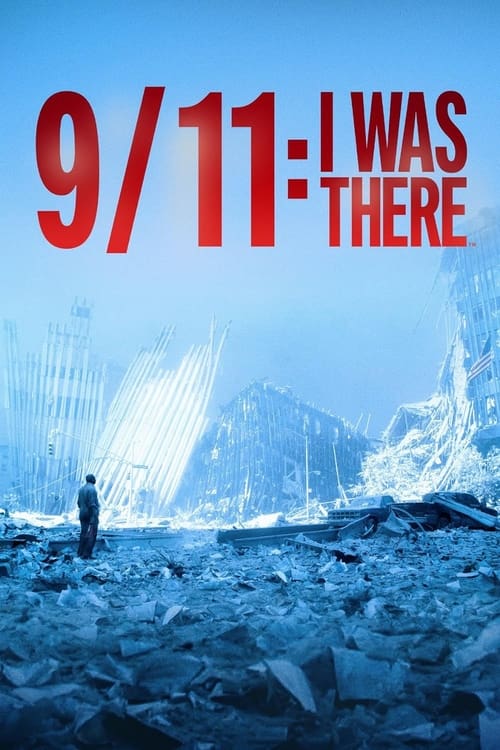
Marking the 20th anniversary of September 11, this two-hour documentary presents a unique and moving account of the day that changed the modern world. Featuring rare footage and audio, “9/11: I Was There” unveils an intimate portrayal of the events of September 11 captured by ordinary people who chose to pick up their video cameras that day; some courageous enough to get a closer look. Told in the moment without interview, commentary or narration, this riveting documentary weaves together the personal video diaries of a dozen people whose emotions are remarkable documentation of that dark day. A truly extraordinary portrayal, “9/11: I Was There” puts viewers in the shoes of New Yorkers and visitors alike to unfold the tragedy, the fear of what was next and the horrific aftermath to follow resulting in a raw and unfiltered telling of 9/11 from confusion to comprehension, terror and relief.
2021

2002
2016
2023
2024
2020
2020

2014
No reviews yet. Be the first to share your thoughts on this movie!
Use the rating form above to leave a star rating and optional review.