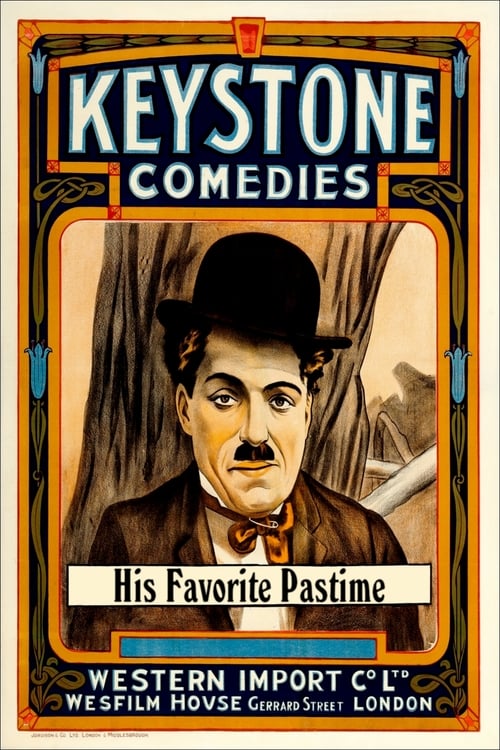
His Favorite Pastime
1914
No user ratings available yet
Representation score: 1.0 out of 10

Representation Score
Minimal
1914
Not RatedDirector
George Nichols
Runtime
12 minutes
Average Rating
No ratings yetNew Showbiz Analysis
This 1914 silent comedy follows a male protagonist navigating the professional hierarchies of Keystone Studios. While the protagonist functions as a social outsider, the film appears to rely on standard comedic clichés of the era rather than offering subversive social commentary. The narrative is limited by its traditional focus on a male character's pursuit of a powerful female figure. This structure provides little insight into gender roles or diverse identity representation. Overall, the film reflects the standard production models of the early silent era, lacking documented evidence of diverse casting or systemic critique.
Category Breakdown
The film does not include any characters with non-binary or LGBTQ+ identities, nor does it depict any same-sex relationships or intimacy.
The story revolves around a male protagonist who interacts with a powerful female figure. It is unclear whether the female character has a significant role in driving the story or if she is simply part of the traditional gender hierarchy.
There is no mention of the ethnic makeup of the cast or setting. The lack of documented diverse casting suggests a lack of intentional representation of different racial backgrounds.
The film introduces an outsider character who struggles to navigate a professional institution. However, there is no sustained critique of Western institutions or religion.
The film does not depict any characters with physical, sensory, or neurodivergent disabilities. There is no representation of disability in any form.
Present on Screen
Limited or Absent
Official Synopsis
The Tramp, a film Johnnie (someone who loiters near theaters or studios to meet stars or get a job), attempts to meet his favorite movie actress at the Keystone Studio, but does not win friends there.
1914

1928
1913
1926
1918
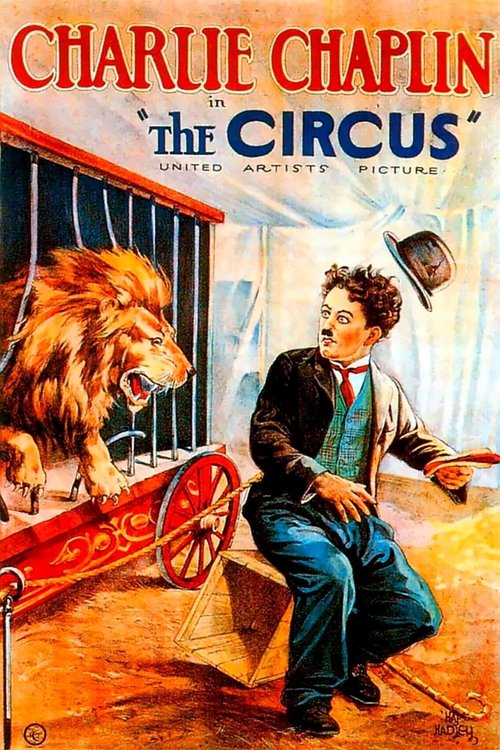
1928
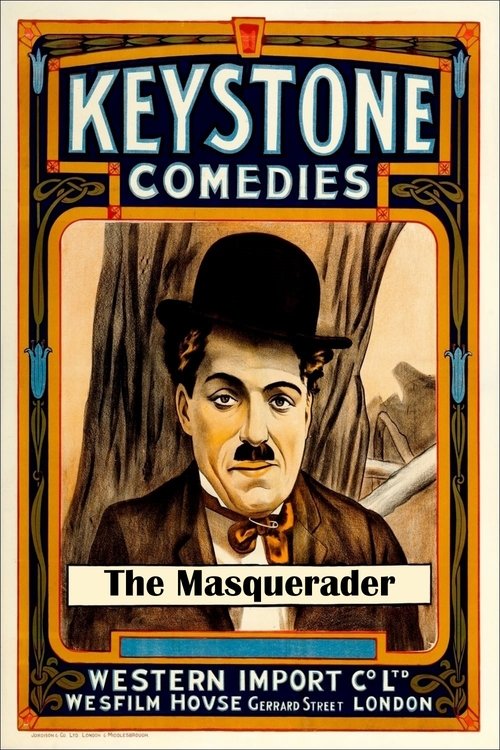
1914
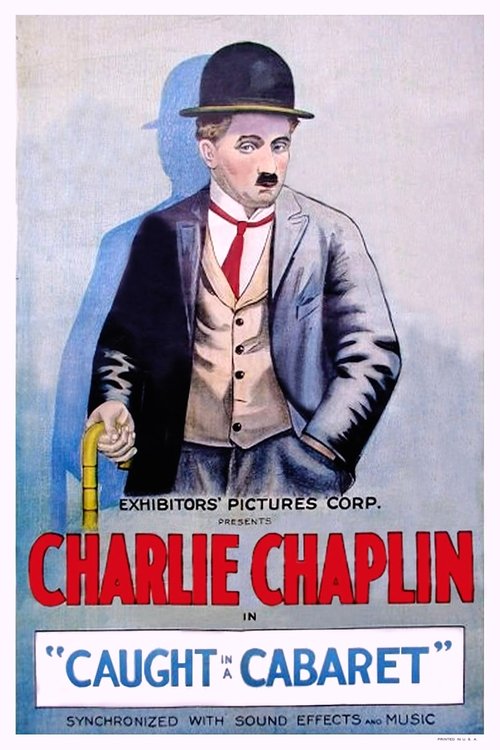
1914
No reviews yet. Be the first to share your thoughts on this movie!
Use the rating form above to leave a star rating and optional review.