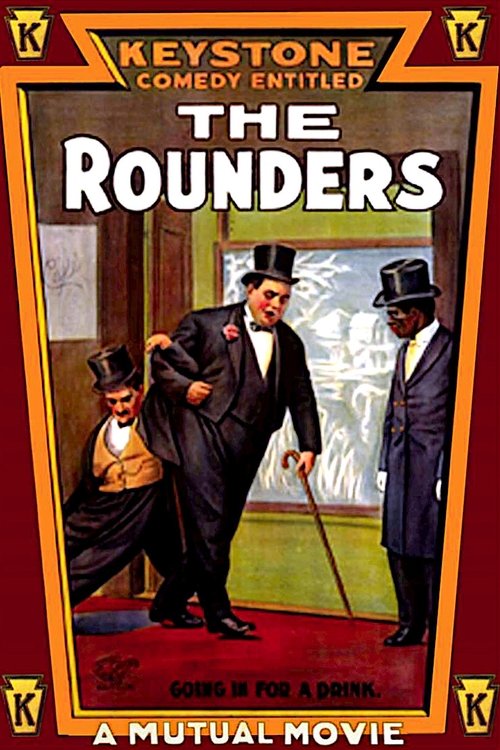
The Rounders
1914
No user ratings available yet
Representation score: 0.4 out of 10
Representation Score
Minimal
1914
NRDirector
Charlie Chaplin
Runtime
12 minutes
Average Rating
No ratings yetNew Showbiz Analysis
This early Chaplin short operates within the established slapstick traditions of the silent era. The narrative relies on conventional formulas of romantic loss and physical comedy, lacking the multi-layered approach found in his later works. The film's structure centers on a male protagonist's emotional journey within a homogeneous social setting. It functions more as a cautionary tale of individual misfortune than a critique of social hierarchies. Ultimately, the work reflects the era's standard storytelling, prioritizing physical humor over the subversion of gender, race, or identity norms.
Category Breakdown
The film focuses solely on heterosexual romantic loss. There are no depictions of non-straight relationships or gender identities outside the binary.
Women are portrayed as idealized objects of desire rather than active participants. The narrative centers on male camaraderie and patriarchal structures.
The setting reflects a homogeneous, Western-centric environment. There is no evidence of racial blending or non-white actors.
Intoxication is used as a vehicle for physical comedy. While there are hints of class friction, the film lacks a deeper critique of societal institutions.
There are no characters with neurodivergence or chronic conditions. Physical impairment is limited to temporary intoxication.
Present on Screen
Limited or Absent
Official Synopsis
A painter turned tramp (Chaplin), devastated by losing the woman he was courting as a wealthy man, finds himself drunk and getting drunker by the minute with some sailors at a bar until he's literally falling down. He keeps futilely trying to draw the woman's picture on the floor with a piece of chalk until he finally passes out cold (or perhaps dies, as in the poem) at the end of the film.
1914
1932
1914

1962
1920

1923
1914
1925
No reviews yet. Be the first to share your thoughts on this movie!
Use the rating form above to leave a star rating and optional review.