
A Film Johnnie
1914
No user ratings available yet
Diversity score: 1.5 out of 10
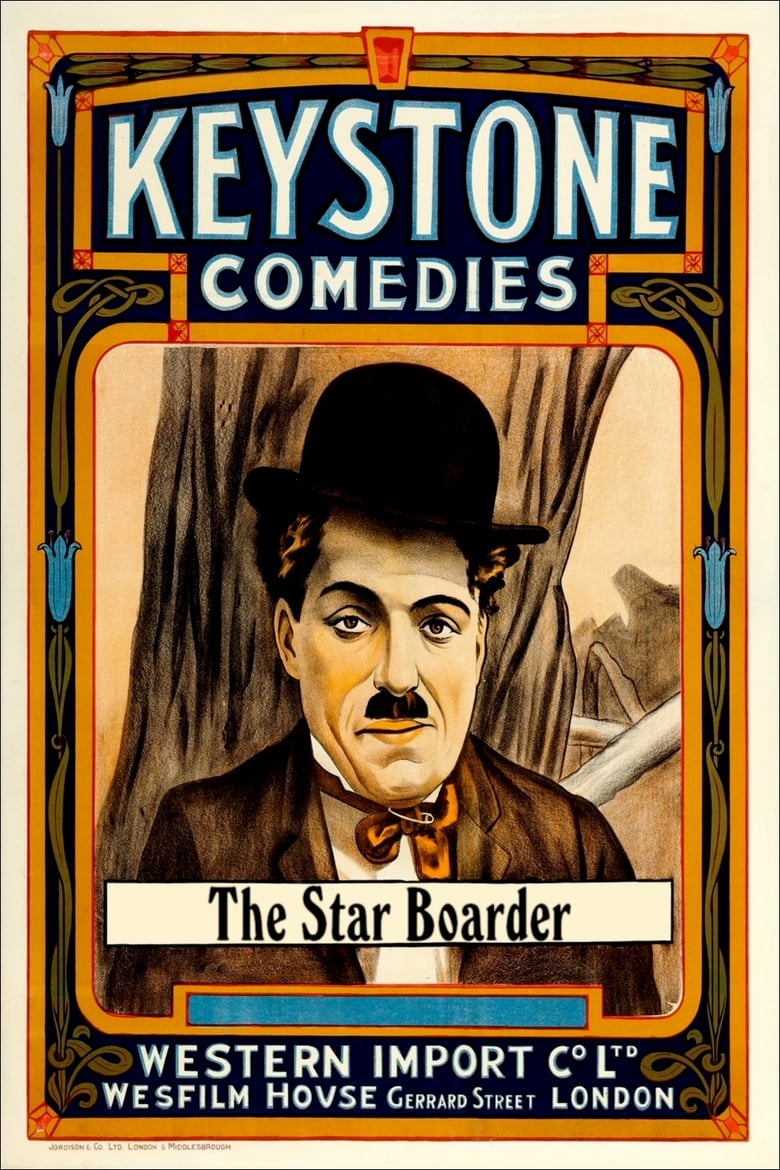
1914
NRDirector
George Nichols
Runtime
12 minutes
Average Rating
No ratings yetSynopsis
A fun-loving little boy's magic lantern show exposes some indiscreet moments between his landlady mother and her star boarder.
Overall Score
Limited
Category Breakdown
LGBTQ+ Representation
The film focuses on a conventional domestic arrangement. There is no evidence of non-cisnormative identities or critiques of heteronormativity.
Gender Representation
A female landlady is central to the plot, but her role centers on social vulnerability. The comedy relies on the disruption of her reputation rather than subverting power dynamics.
Racial & Ethnic Diversity
The film likely reflects the homogeneous casting standards of 1914. There is no evidence of non-Anglo-Saxon or intersectional representation.
Religious & Cultural Diversity
The story uses the tension between private behavior and social decorum for slapstick humor. It lacks an explicit critique of Western institutions or religion.
Disability Representation
There is no information available regarding the depiction of physical or neurodivergent characters.
Strengths
Areas for Improvement
AI Analysis
The Star Boarder is a period-typical comedy that adheres to the social and narrative conventions of the early 1910s. It functions as a standard example of early cinematic farce, utilizing a magic lantern device to drive a plot of domestic indiscretion. The film lacks the structural complexity or intentionality required for progressive representation. It focuses on situational humor and the disruption of propriety rather than systemic critique. Ultimately, the work reflects the era's standard comedic tropes, offering little in the way of diverse or subversive perspectives.
1914
1914

1921
1905

1915
1909
1899

1915
1916
1952
1930
1922
No reviews yet. Be the first to share your thoughts on this movie!
Use the rating form above to leave a star rating and optional review.