
A Film Johnnie
1914
No user ratings available yet
Representation score: 0.6 out of 10
Representation Score
Minimal
1914
NRDirector
George Nichols
Runtime
12 minutes
Average Rating
No ratings yetNew Showbiz Analysis
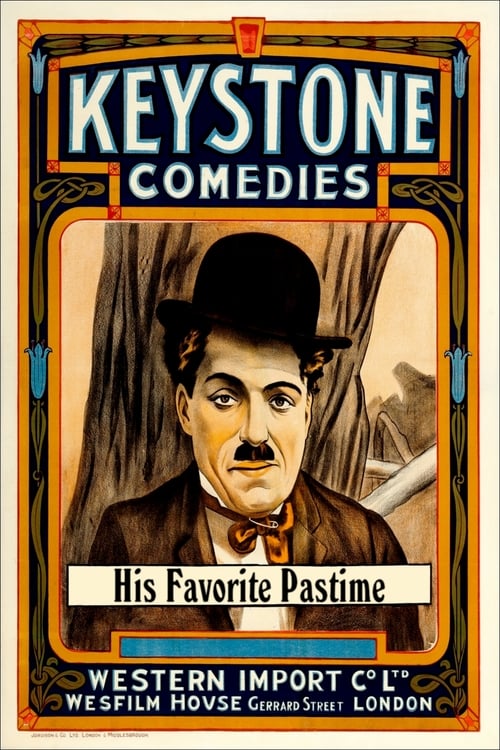
His Favorite Pastime is a product of the early silent era, prioritizing physical slapstick over social complexity. The film adheres to the broad archetypes and narrow casting norms typical of 1914 studio productions. The narrative structure centers on a singular, disruptive interaction between a man and a woman. This focus reinforces traditional gender dynamics and straight-centered patterns rather than offering nuanced or diverse perspectives. Ultimately, the film functions as a standard comedic short. It lacks the intentional architecture required to challenge systemic hierarchies or provide characters who reflect more than one aspect of diversity.
Category Breakdown
The film follows a traditional framework where everyone is assumed to be straight and cisgender. There are no characters with non-cisgender identities or same-sex relationships.
The film relies on established early 20th-century gender clichés. The male protagonist acts as the disruptive force, while the female character remains a passive object of pursuit.
The film likely reflects the homogeneous casting norms of 1914. There is no indication of diverse casting or the presence of non-white actors.
The narrative focuses on situational humor and drinking. It lacks any critique of social structures or engagement with diverse cultural institutions.
There is no evidence of characters with physical or neurodivergent disabilities. The narrative does not address disability in any way.
Present on Screen
Limited or Absent
Official Synopsis
A very plastered fella follows a pretty woman home, and proceeds to make a nuisance of himself.
1914
1918
1914
1923
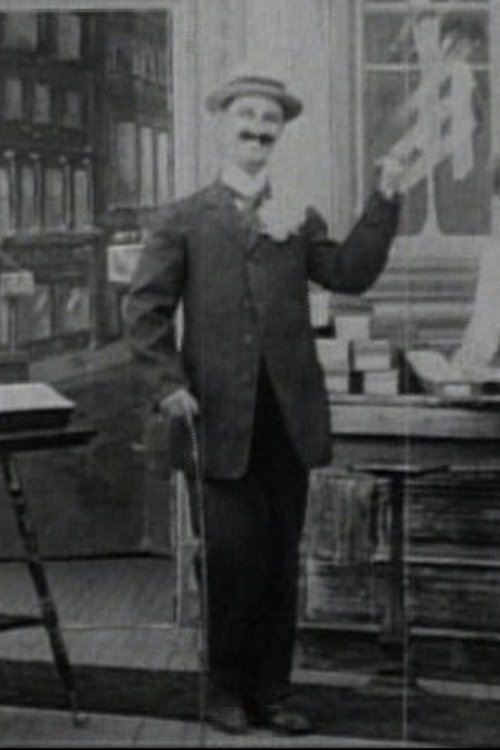
1909
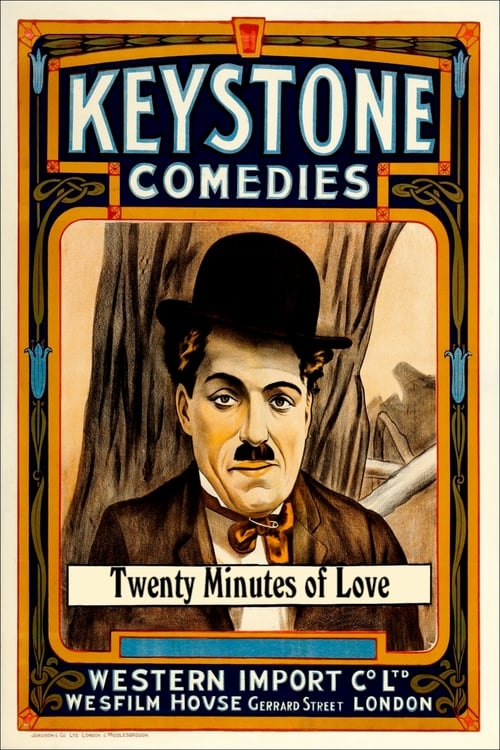
1914

1914

1909
No reviews yet. Be the first to share your thoughts on this movie!
Use the rating form above to leave a star rating and optional review.