Boys in Brown
1949
No user ratings available yet
Diversity score: 1.1 out of 10
1951
NRDirector
Felix E. Feist
Runtime
90 minutes
Average Rating
No ratings yetSynopsis
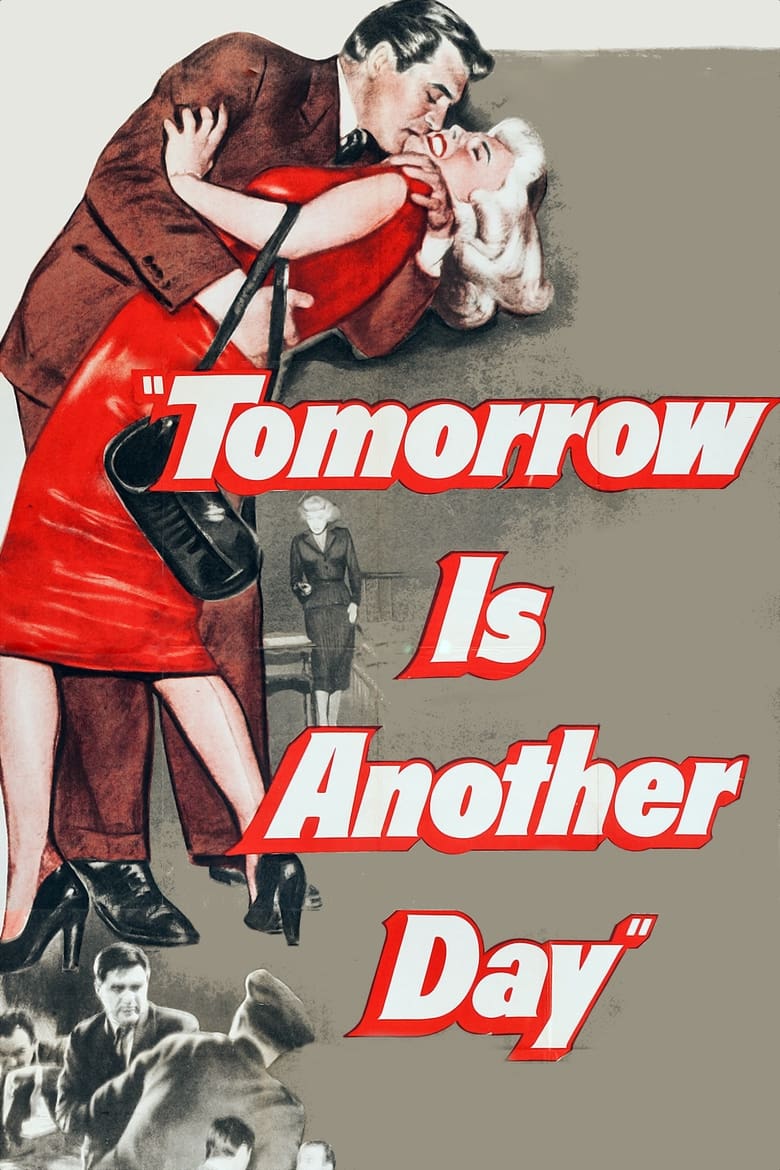
A man who spent his formative years in prison for murder is released, and struggles to adjust to the outside world and escape his lurid past. He gets involved with a cheap dancehall girl, and when her protector is accidentally killed, they go on the lam together, getting jobs as farm labourers. But some fellow workers get wise to them.
Overall Score
Limited
Category Breakdown
LGBTQ+ Representation
The film contains no discernible presence of LGBTQ+ characters or non-heteronormative identities. It operates entirely within the heteronormative standards of the 1950s.
Gender Representation
Gender dynamics reflect traditionalist archetypes, featuring a female lead tied to the 'dancehall girl' trope. Her agency is largely linked to socioeconomic vulnerability and her relationship with the male protagonist.
Racial & Ethnic Diversity
The film utilizes a homogeneous cast typical of mid-century B-movie crime dramas. There is no evidence of intersectional casting or non-Anglo-Saxon characters in positions of agency.
Religious & Cultural Diversity
The narrative operates within a traditional Western moral framework centered on legal justice and personal redemption. It emphasizes the difficulty of reintegrating into a structured society.
Disability Representation
There are no visible or invisible disabilities portrayed within the primary character arcs. Disability is not used as a narrative device or tool for character development.
Strengths
Areas for Improvement
AI Analysis
Tomorrow Is Another Day is a standard mid-century crime melodrama that reinforces the social and cultural status quo of 1951. The narrative focuses on a man's struggle to reintegrate into society after prison, following a linear path of social reintegration and subsequent complications. The film lacks the intentionality required to disrupt established power dynamics or provide nuanced, intersectional representation. It adheres strictly to the narrative and social architectures prevalent in its era, prioritizing traditional stability and conventional morality over subversion.
1949

1941
1955

1951
1946

1955
1953

1934

1957

1927
1934
1935
No reviews yet. Be the first to share your thoughts on this movie!
Use the rating form above to leave a star rating and optional review.