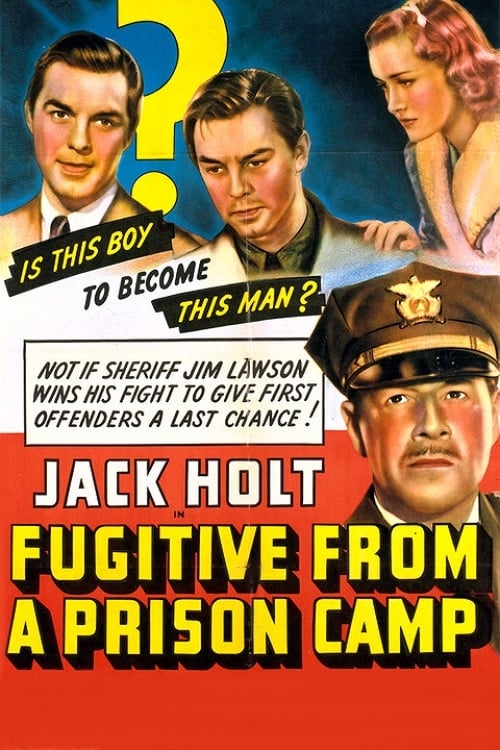
Fugitive from a Prison Camp
1940
No user ratings available yet
Representation score: 2.1 out of 10
Representation Score
Minimal
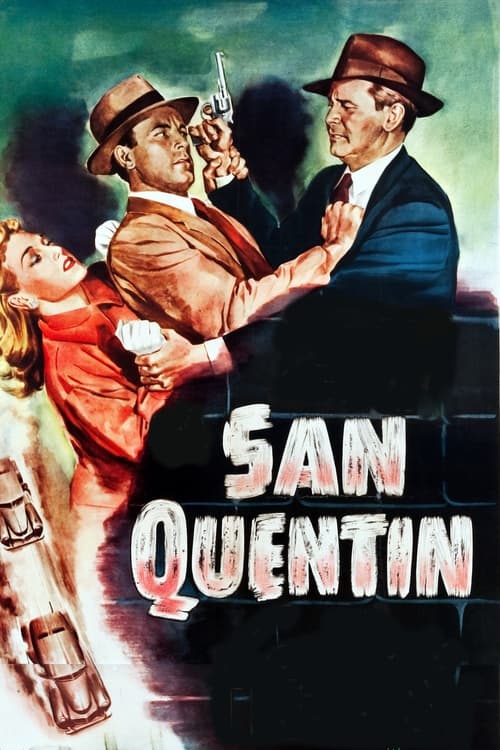
1946
NRDirector
Gordon Douglas
Runtime
66 minutes
Average Rating
No ratings yetNew Showbiz Analysis
San Quentin is a traditional mid-century crime drama that centers on the tension between rehabilitation and recidivism within a prison setting. The film adheres to the era's narrative structures, focusing on the established power dynamics within the institution. The demographic makeup of the cast reflects the homogeneity of 1946, with a predominantly white and male ensemble. The film does not delve into diverse identities, disabilities, or systemic critiques, instead operating within conventional moralizing clichés.
Category Breakdown
The film is set in a highly masculine prison environment where there is no representation of LGBTQ+ identities or same-sex relationships.
The cast is nearly all male, focusing on male-dominated power structures rather than challenging traditional gender roles.
The cast is primarily white and uniform, reflecting the racial standards of 1946 Hollywood. The social hierarchy is based on criminal status rather than race.
The story follows typical mid-century law and order themes without critiquing Western institutions or capitalism.
The film does not address physical or neurological disabilities. Characters are defined by their criminal actions rather than any disabilities.
Present on Screen
Limited or Absent
Official Synopsis
An ex-con sets up a program to straighten out hard-core prisoners. Things don't go as planned.
1940

1938

1951

1952

1958

1947
1955
1960
No reviews yet. Be the first to share your thoughts on this movie!
Use the rating form above to leave a star rating and optional review.