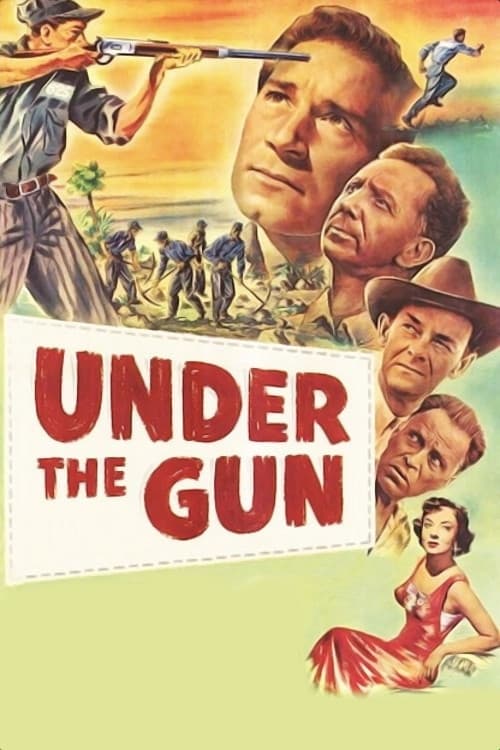
Under the Gun
1951
No user ratings available yet
Diversity score: 2.6 out of 10
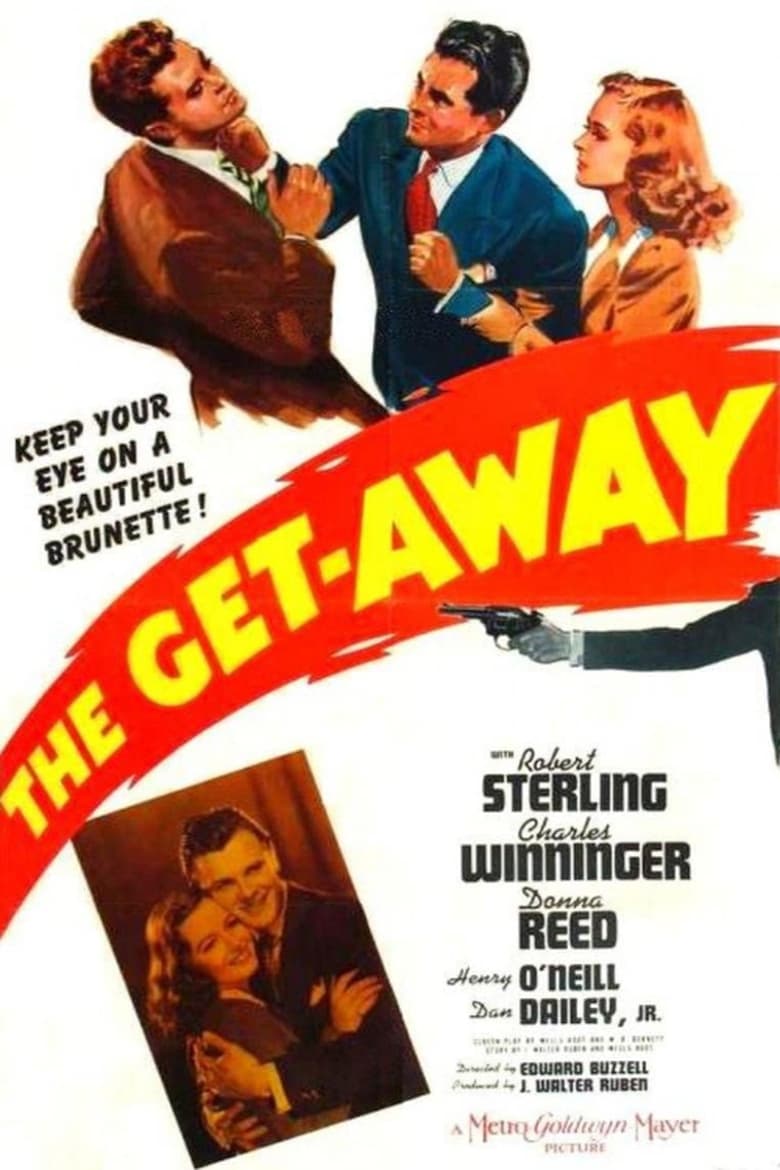
1941
NRDirector
Edward Buzzell
Runtime
89 minutes
Average Rating
No ratings yetSynopsis
A jailed cop befriends a mob chieftain and stages a breakout with him.
Overall Score
Limited
Category Breakdown
LGBTQ+ Representation
The film lacks any evidence of non-cisnormative identities or same-sex intimacy. It follows the conventional heteronormative structures typical of 1941 studio productions.
Gender Representation
The narrative centers on masculine archetypes like a jailed cop and a mob chieftain. This focus reinforces traditional gender hierarchies and masculine power dynamics.
Racial & Ethnic Diversity
The film likely adheres to the homogeneous, white-centric casting standards of early 1940s Hollywood. There is no evidence of a multi-ethnic cast.
Religious & Cultural Diversity
The plot focuses on individual morality and 'tough guy' tropes rather than systemic critique. It prioritizes personal loyalty over sociopolitical deconstruction.
Disability Representation
There is no discernible evidence regarding the inclusion of characters with physical or neurodivergent disabilities.
Strengths
Areas for Improvement
AI Analysis
The Get-Away is a standard crime genre piece that relies heavily on the established cinematic tropes of its era. The narrative architecture prioritizes traditional social hierarchies and conventional character archetypes over intersectional complexity. Because the story revolves around authority, crime, and brotherhood, it remains firmly rooted in masculine-coded storytelling. The film lacks representation for LGBTQ+ identities, diverse racial backgrounds, or characters with disabilities. Ultimately, the film functions as a product of its time, reflecting the demographic and thematic norms of 1941 Hollywood without attempting to subvert them.
1951
1935

1951
1948
1967

1955
1929
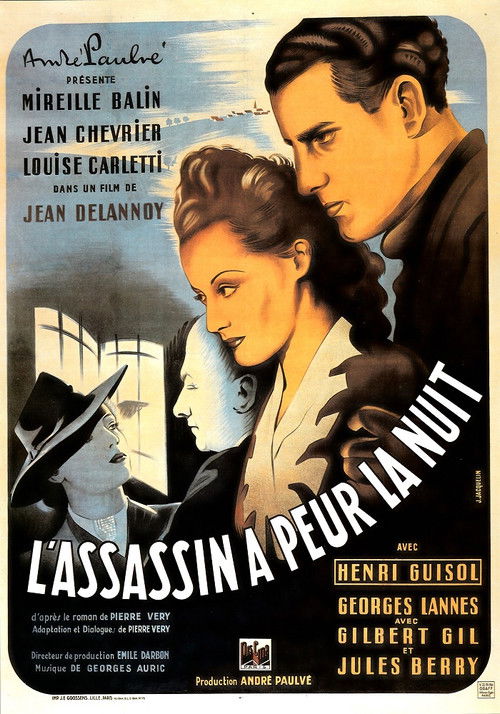
1942

1939

1958

1953

1930
No reviews yet. Be the first to share your thoughts on this movie!
Use the rating form above to leave a star rating and optional review.