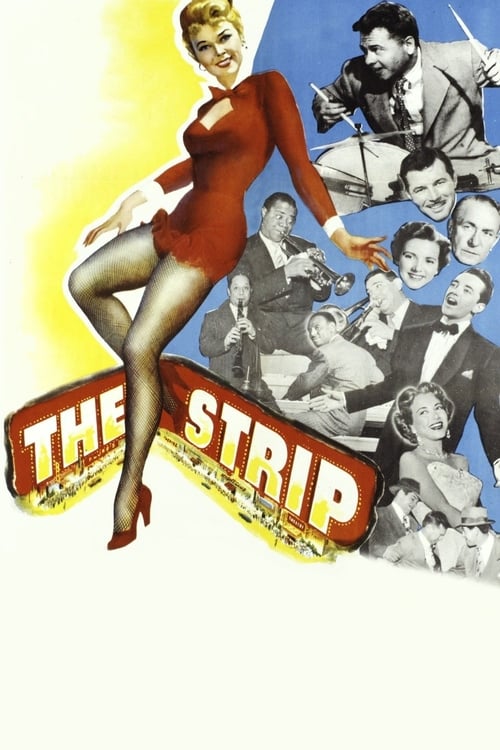
The Strip
1951
No user ratings available yet
Diversity score: 2.7 out of 10
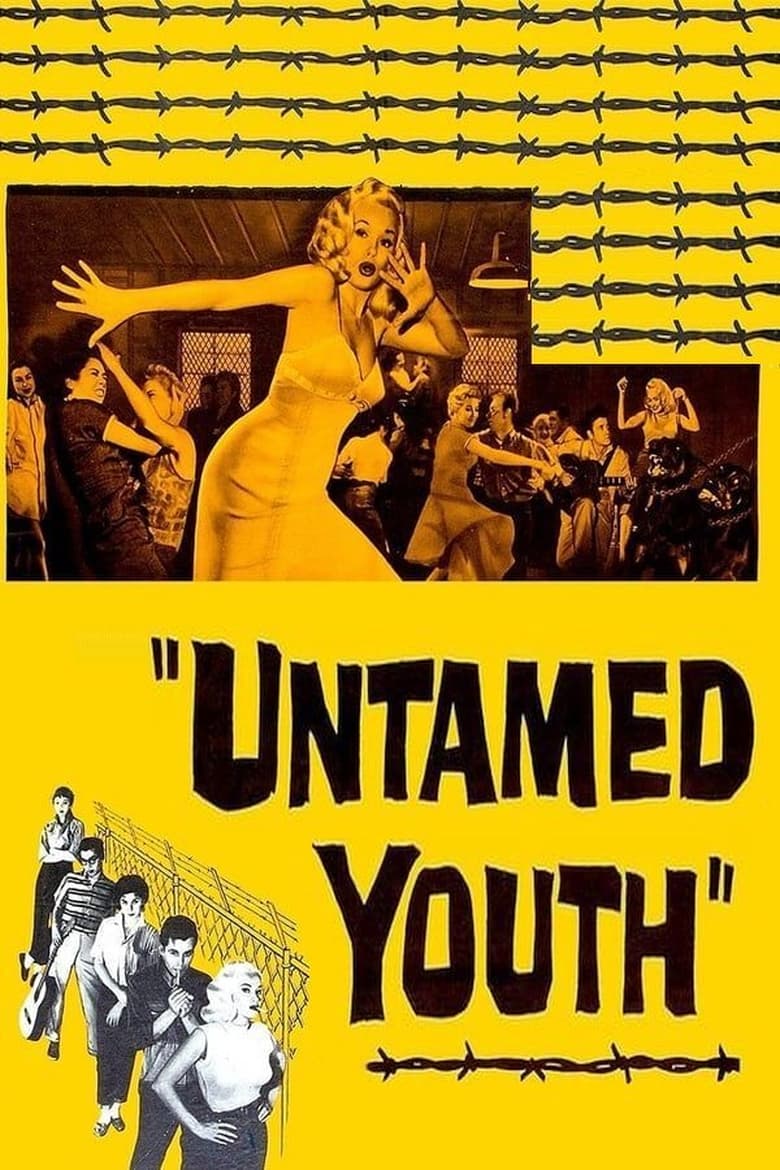
1957
NRDirector
Howard W. Koch
Runtime
80 minutes
Average Rating
No ratings yetSynopsis
Sisters Jane and Penny are arrested for hitchhiking on their way to Los Angeles when they stop for a quick skinny dip in a rural town. Local agricultural magnate Tropp is a sponsor for a local prison work program and the women get put in the fields to work off their sentence. Tropp is dating the widowed judge in order to ensure a stable supply of cheap labor in order to undercut his competition. The prisoners suffer ill treatment, but the judge's son has signed on as a hired hand and begins to figure out the scam as he begins falling in love with Jane, and Penny dreams of making it big in showbiz.
Overall Score
Limited
Category Breakdown
LGBTQ+ Representation
The film lacks any discernible presence of queer narratives or non-heteronormative identities. The social landscape remains strictly heteronormative, adhering to conventional standards of romantic expression.
Gender Representation
While the plot centers on two sisters, their agency is framed through transgression and punishment. The narrative focuses on managing their 'untamed' nature to reinforce traditional views of female conduct.
Racial & Ethnic Diversity
The film reflects the homogeneous social structures typical of 1950s American cinema. There is no evidence of significant racial or ethnic diversity within the primary cast or narrative arc.
Religious & Cultural Diversity
This cautionary tale prioritizes the preservation of traditional Western institutions and parental authority. It frames juvenile delinquency as a disruption to the status quo that requires social conformity.
Disability Representation
There is no evidence of characters with visible or invisible disabilities within the film's context.
Strengths
Areas for Improvement
AI Analysis
Untamed Youth functions as a mid-century social problem film designed to reinforce established hierarchies. Rather than exploring individual agency, the narrative frames adolescent rebellion as a deviation from necessary social conformity. The film utilizes the trope of the delinquent to validate institutional oversight. It prioritizes the restoration of order and the maintenance of the mid-century social contract over any progressive or intersectional perspectives. Ultimately, the creative direction serves to uphold the stability of the family unit and legal authority, positioning any deviation from the status quo as a systemic threat to be corrected.
No reviews yet. Be the first to share your thoughts on this movie!
Use the rating form above to leave a star rating and optional review.
