99 River Street
1953
No user ratings available yet
Diversity score: 2.8 out of 10
1955
NRDirector
Lewis R. Foster
Runtime
89 minutes
Average Rating
No ratings yetSynopsis
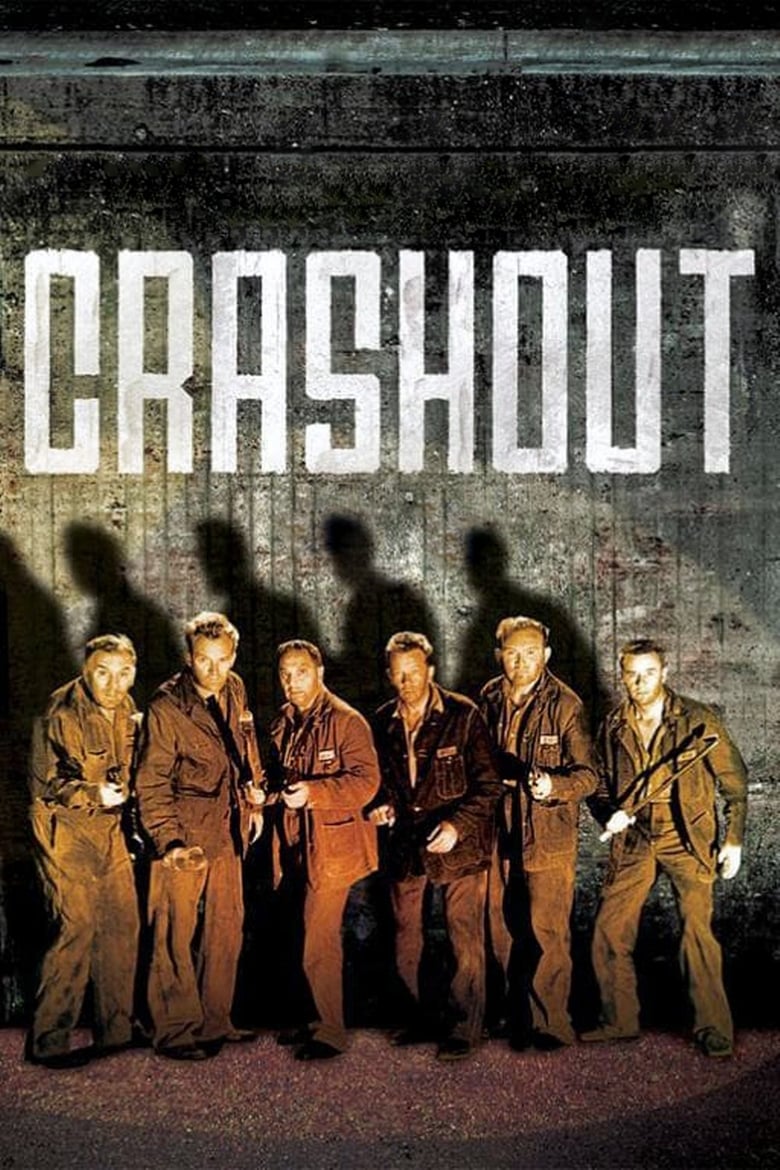
Convict Van Duff engineers a large-scale prison break; the six survivors hide out in a forgotten mine working near the prison, then set out on a long, dangerous journey by foot, car, train and truck to retrieve Duff's bank loot. En route, as they touch the lives of "regular folks," each has his own rendezvous with destiny.
Overall Score
Limited
Category Breakdown
LGBTQ+ Representation
The film lacks any evidence of LGBTQ+ characters or narratives. The character dynamics focus on traditional masculine archetypes within a crime framework.
Gender Representation
The narrative is heavily skewed toward a male-dominated ensemble. While female actors are credited, the plot focuses on the agency of male convicts.
Racial & Ethnic Diversity
The group appears largely homogeneous and Anglo-centric. While the name Pete Mendoza suggests ethnic diversity, the narrative does not explore how his identity intersects with the plot.
Religious & Cultural Diversity
The film explores moral relativism by deconstructing institutional authority. It uses a religious fanatic to challenge the stability of organized religion and the legal system.
Disability Representation
Physical impairment is used primarily as a functional plot device. Van Duff’s wounds serve to drive the group toward the hidden loot rather than providing agency-driven representation.
Strengths
Areas for Improvement
AI Analysis
Crashout is a quintessential mid-century crime noir that prioritizes genre tropes over social subversion. The story centers on a group of male convicts navigating a dangerous journey, which results in a narrative heavily dominated by masculine archetypes. While the film offers a moderate exploration of moral ambiguity and the failure of social institutions, it lacks meaningful intersectional representation. The characters serve the plot's tension rather than challenging systemic hierarchies. Ultimately, the film reflects the era's tendency toward Anglo-centric perspectives and secondary female roles, making it a traditional genre piece rather than a progressive social critique.
1953
1948
1953
1954
1963
1950
1958
1951
1941
1946
1967
1955
No reviews yet. Be the first to share your thoughts on this movie!
Use the rating form above to leave a star rating and optional review.