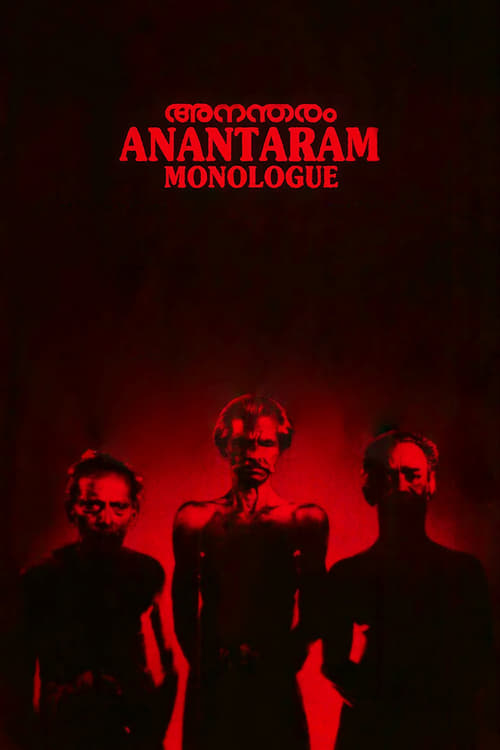
Elippathayam
1982
No user ratings available yet
Representation score: 4.9 out of 10
Representation Score
Good
1987
Director
Adoor Gopalakrishnan
Runtime
125 minutes
Average Rating
No ratings yetNew Showbiz Analysis
Anantaram is a sophisticated piece of slow cinema that prioritizes intellectual depth over mainstream clichés. Its greatest strength lies in its refusal to adopt a Western-centric gaze, instead offering a deeply authentic Malayali perspective. While the film excels in ethnic specificity and nuanced psychological exploration, it lacks representation for LGBTQ+ identities. The narrative remains rooted in the social structures of its era, which limits its scope regarding modern identity categories. Ultimately, the film succeeds as a postmodern deconstruction of reality. It trades traditional narrative cohesion for a complex study of memory, perception, and cultural authenticity.
Category Breakdown
The film lacks explicit LGBTQ+ characters or narratives. The story focuses on psychological fragmentation and village life, leaving non-straight identities unaddressed.
Set in rural Kerala, the film depicts traditional domestic complexities. It avoids typical masculine dominance clichés by centering on a protagonist's descent into psychological instability.
The film offers high cultural specificity through a Malayali cast. It resists a homogenized global gaze by embedding the narrative deeply within local socio-cultural rhythms.
The narrative embraces moral relativism and subjective truth. It challenges conventional storytelling by deconstructing linear time and traditional causality through the protagonist's conflicting accounts.
Mental health is explored as an existential meditation rather than a caricature. The protagonist's madness is integrated into themes of memory and time with psychological depth.
Present on Screen
Limited or Absent
Official Synopsis
A young man narrates two conflicting accounts of his life, changing the details and incidents in both, as he slowly approaches madness.
1982

1974

1995
1973
1992

1995
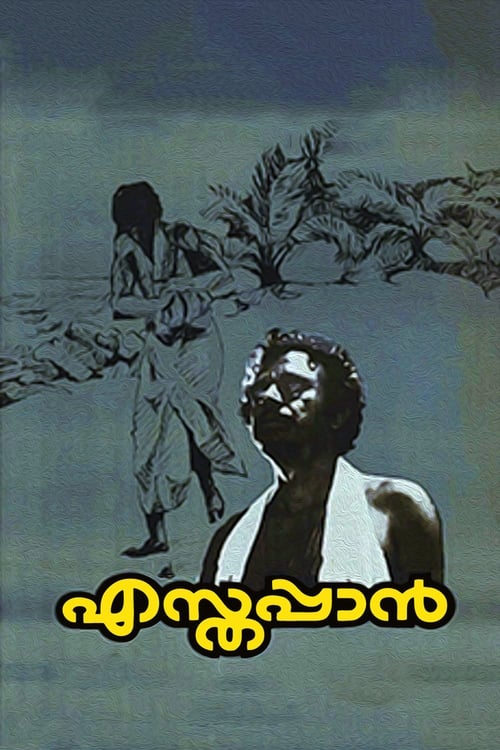
1980
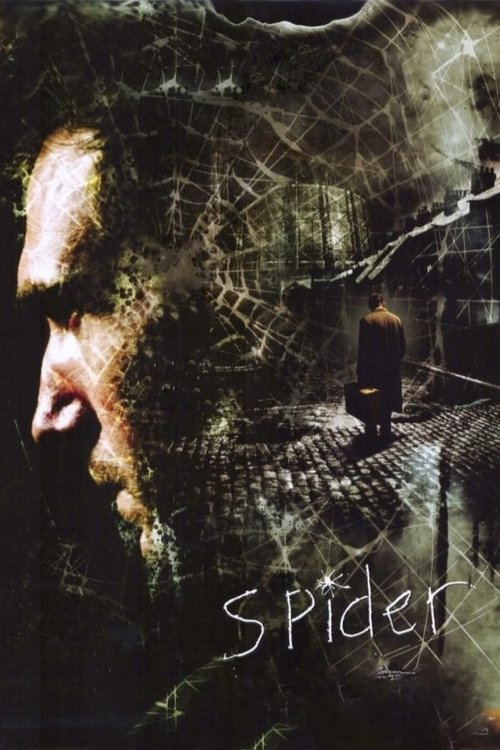
2002
No reviews yet. Be the first to share your thoughts on this movie!
Use the rating form above to leave a star rating and optional review.