Anantaram
1987
No user ratings available yet
Representation score: 6.5 out of 10
Representation Score
Fair
1982
Director
Adoor Gopalakrishnan
Runtime
115 minutes
Average Rating
No ratings yetNew Showbiz Analysis
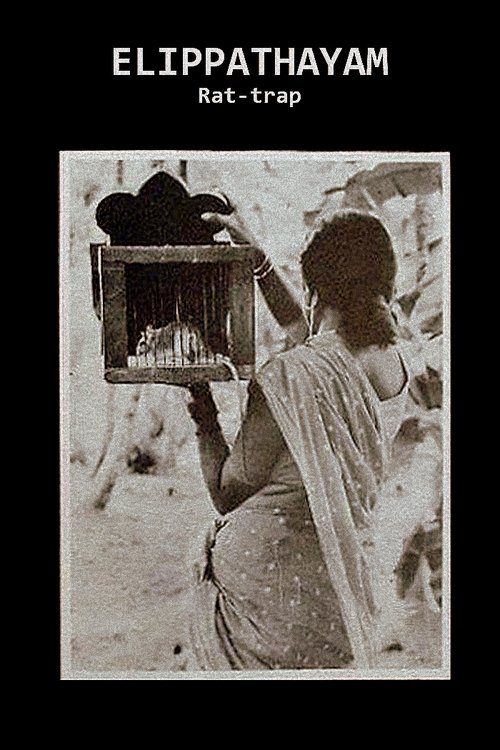
Elippathayam is a rigorous examination of the systemic decay and collapse of feudalism in Kerala. It excels in its authentic, non-Westernized cultural critique, presenting a deeply specific indigenous reality that avoids a colonial perspective. However, the film's scope is narrow. The narrative is heavily centered on a singular male experience, which limits its multi-layered depth. The focus on the protagonist's psychological isolation leaves little room for diverse social identities. Ultimately, while the film offers a sophisticated deconstruction of historical power dynamics and mental instability, its lack of explicit identity markers results in a lower overall diversity score.
Category Breakdown
The film focuses solely on the psychological breakdown of a single male character and does not engage with LGBTQ+ identities or non-straight relationships.
The story centers on the crisis of masculinity within a collapsing patriarchy. Female characters serve as elements that highlight the male protagonist's struggles rather than having their own independent roles.
The film presents an ethnically homogeneous Malayali setting, avoiding a colonial perspective by offering an authentic, non-Westernized depiction of indigenous South Indian society.
The story critiques the decaying feudal system by portraying the ancestral home as an oppressive institution rather than a place of heritage.
Unni's descent into paranoia is shown as a psychological consequence of his environment, and the film handles his mental instability with nuance rather than mockery.
Present on Screen
Limited or Absent
Official Synopsis
Unni is the last male heir of a decaying feudal family in rural Kerala. His inability to accept the socio-economic changes of a new society causes him to gradually withdraw into isolation and paranoia.
1987

1959

1995

1961
1978
1986

1972
1984
No reviews yet. Be the first to share your thoughts on this movie!
Use the rating form above to leave a star rating and optional review.