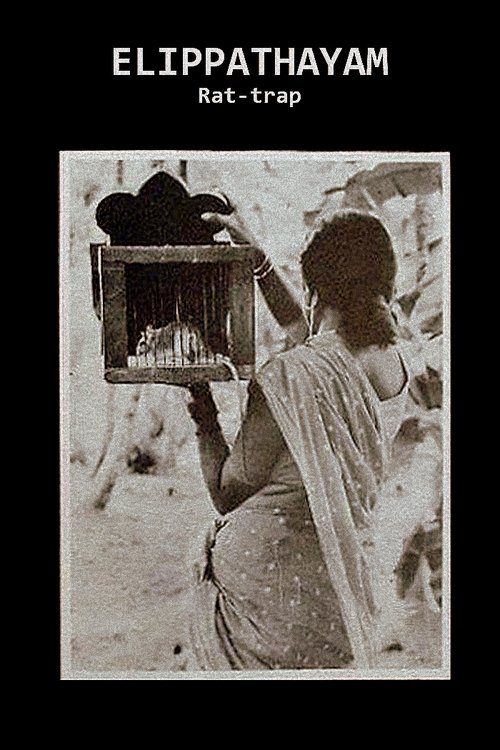
Elippathayam
1982
No user ratings available yet
Representation score: 4.9 out of 10
Representation Score
Limited
1978
Director
Adoor Gopalakrishnan
Runtime
128 minutes
Average Rating
No ratings yetNew Showbiz Analysis
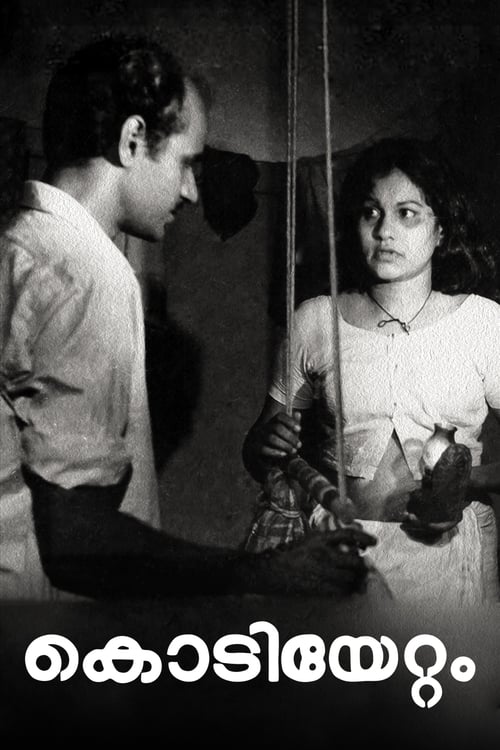
Kodiyettam is a realistic exploration of coming-of-age that avoids the melodramatic clichés common in mainstream Indian cinema. It succeeds by replacing heroic archetypes with a grounded, socio-economic study of a man's transition into adulthood. The film's strength lies in its nuanced portrayal of women's ability to drive the story and its commitment to regional authenticity. By centering the story on Malayali life, it provides a specific cultural texture that resists homogenized storytelling. However, the film remains constrained by its 1978 setting, particularly regarding its lack of LGBTQ+ representation. While it challenges gendered expectations, it does not venture into non-cisgender identities.
Category Breakdown
The film does not include any visible depictions of LGBTQ+ identities or queer narratives, operating within a framework that assumes everyone is straight and cisgender.
The film challenges traditional gender roles by giving significant control to female characters, who assert their independence and disrupt social expectations. For example, the protagonist's wife leaves him, and his sister lives with a lover, both actions that defy conventional gender norms.
The film features a primarily Malayali cast, emphasizing authentic regional representation and providing a specific cultural texture that resists homogenized storytelling. This commitment to local identity contrasts with more centralized, urban-centric narratives.
The story avoids promoting a singular religious morality, focusing instead on secular, existential struggles. It critiques social stagnation and the fragility of traditional institutions through the protagonist's changing social status.
There are no prominent depictions of physical or neurodivergent disabilities used as central plot devices or character traits.
Present on Screen
Limited or Absent
Official Synopsis
Sankarankutty, a village simpleton, lives a carefree life, indulges in childish pursuits, lives off the money given to him by his sister (working elsewhere as a servant), and eats quite voraciously. Then one day he gets married, but the wife is frustrated by his aimless lifestyle & irresponsible attitude (even after she gets pregnant). So she goes back to her parents. Meanwhile, his sister who is now living with her lover, can no longer provide for him, and a kind widow who used to care for him passes away. He has nowhere & nobody to fall back on, and from this point on, as he starts a job as assistant to a lorry driver, he starts looking at life in a whole new way and begins to mature as well.
1982

1959
1988

1999

2007

1979

1974

2010
No reviews yet. Be the first to share your thoughts on this movie!
Use the rating form above to leave a star rating and optional review.