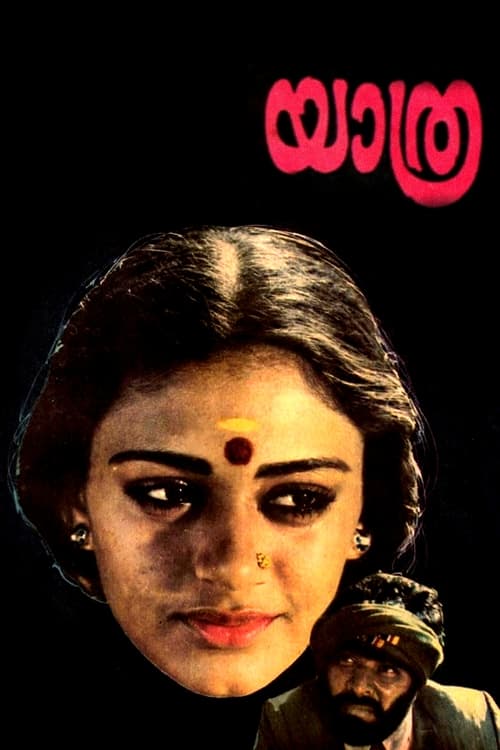
Yathra
1985
No user ratings available yet
Representation score: 6.8 out of 10

Representation Score
Good
1990
Director
Adoor Gopalakrishnan
Runtime
120 minutes
Average Rating
No ratings yetNew Showbiz Analysis
Mathilukal stands out for its powerful and respectful portrayal of visual impairment. By making blindness a core part of the protagonist's experience, the film avoids clichés and delves into how disability influences perception and action. While the film shines in its depiction of disability, it adheres to conventional romantic structures. The narrative follows a traditional path where the female character's role is largely defined through the male protagonist's internal thoughts and sensory experiences. Culturally, the film offers a localized perspective that challenges Western-centric norms, using the prison setting to explore individual versus institutional truths.
Category Breakdown
The film focuses on a relationship that assumes everyone is straight. It does not depict any non-straight or non-cisgender identities.
The female character plays a key role in the emotional journey but her influence is often seen through the male protagonist's perspective. Her actions and decisions are largely shaped by his viewpoint.
Set in 1940s Kerala, the film highlights a unique South Indian cultural identity. It avoids mainstream stereotypes by focusing on a specific historical context.
The story uses the prison setting to criticize institutional authority. It emphasizes personal experiences over institutional rules.
The film portrays visual impairment in a nuanced way, avoiding pity. It explores how blindness changes the protagonist's perception of space, sound, and intimacy.
Present on Screen
Limited or Absent
Official Synopsis
Mathilukal ('Walls') is a free adaptation of the novelette of the same name, written by the celebrated Malayalam writer, Vaikom Muhammad Basheer. Autobiographical in character, it is set against the background of India’s freedom struggle in the ’40s when he was serving a term of imprisonment in the Trivandrum Central Jail. When the film opens, we see Basheer in a police lock-up, quite at home in the company of a few petty criminals. He has been languishing there for more than a year now without a trial.
1985

2007

2011

1964

1986

2007

2014

2005
No reviews yet. Be the first to share your thoughts on this movie!
Use the rating form above to leave a star rating and optional review.