
Rendezvous at Midnight
1935
No user ratings available yet
Diversity score: 2.3 out of 10
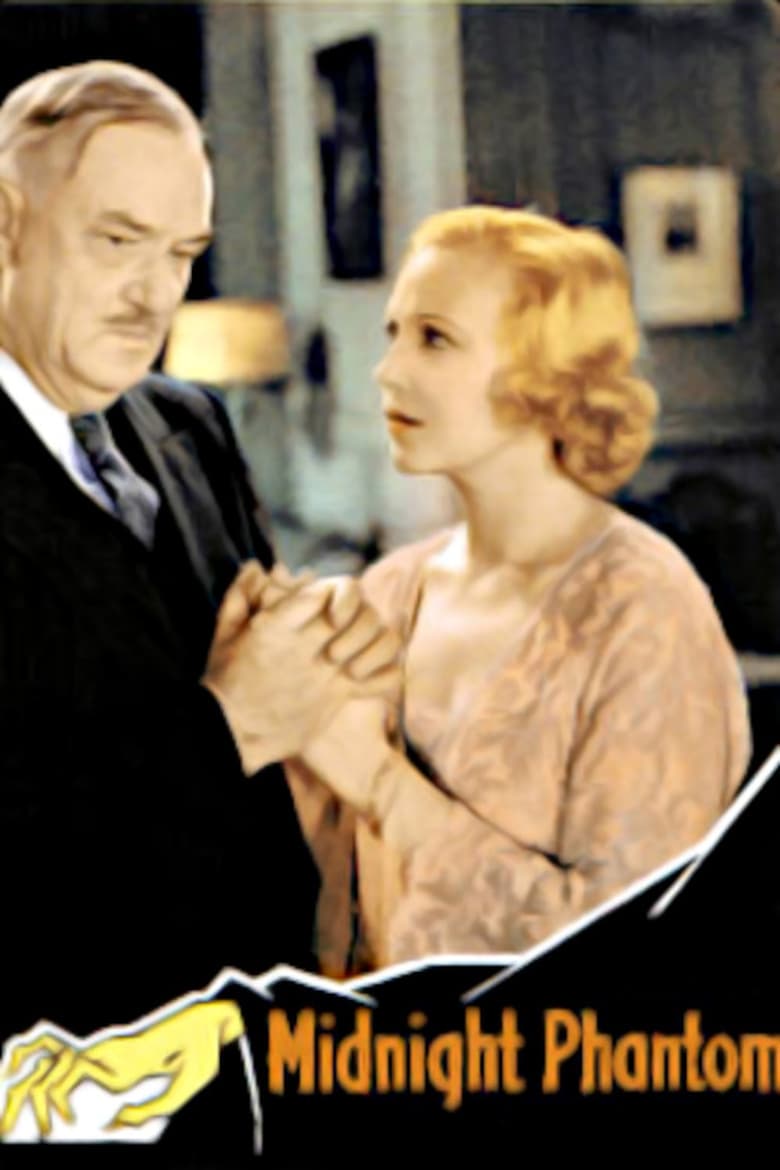
1935
NRDirector
Bernard B. Ray
Runtime
63 minutes
Average Rating
No ratings yetSynopsis
A newly hired police chief vows to clean up a notoriously corrupt police department. When he is murdered, investigators find that there is no shortage of suspects, most of them being fellow cops.
Overall Score
Limited
Category Breakdown
LGBTQ+ Representation
The film lacks any evidence of non-heteronormative identities or same-sex intimacy. It adheres strictly to the social mores of the mid-1930s.
Gender Representation
Agency is concentrated within a masculine hierarchy of police leadership. The central conflict revolves around a male chief and his male colleagues.
Racial & Ethnic Diversity
The production reflects the homogeneous casting standards typical of 1930s American mystery cinema. There is no indication of a diverse ensemble.
Religious & Cultural Diversity
The narrative focuses on restoring traditional authority and legal structures. It prioritizes institutional order over a critique of systemic power.
Disability Representation
There is no information regarding the inclusion of characters with physical or neurodivergent disabilities.
Strengths
Areas for Improvement
AI Analysis
Midnight Phantom is a standard genre piece that operates within the conventional social hierarchies of 1935. The plot centers on a whodunit framework involving institutional corruption, but it frames this through individual morality rather than systemic critique. The film lacks intersectional complexity, focusing instead on a traditional masculine hierarchy of law enforcement. The narrative structure reinforces established authority figures and the restoration of order. Ultimately, the film serves as a product of its era, prioritizing the tropes of mid-1930s mystery cinema over any intentional subversion of demographic norms.
1935

1952

1937

1945

1936

1934
1933

1952

1934
1930
1934

1945
No reviews yet. Be the first to share your thoughts on this movie!
Use the rating form above to leave a star rating and optional review.