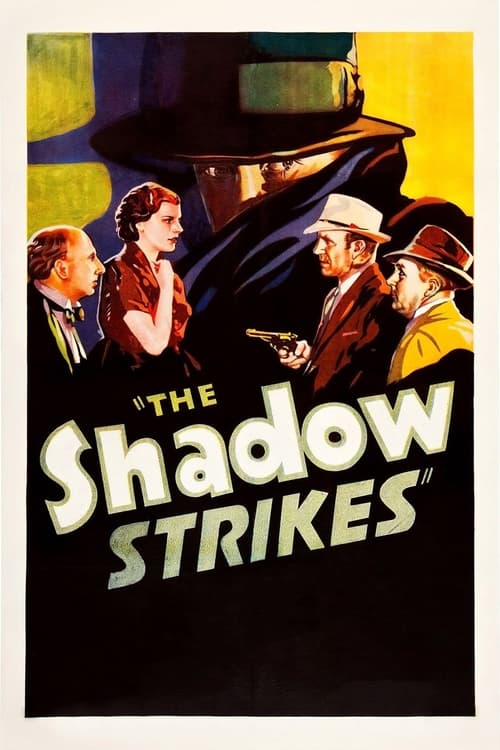
The Shadow Strikes
1937
No user ratings available yet
Diversity score: 2.6 out of 10

1945
NRDirector
Phil Rosen
Runtime
63 minutes
Average Rating
No ratings yetSynopsis
The title character, played by Edmund Lowe, is a famous magician who fakes his own death -- then reappears as his nonexistent twin brother. It's all part of Gregory's master scheme to pin his "murder" on innocent John Randall, the husband of Ellen, the woman Gregory loves.
Overall Score
Limited
Category Breakdown
LGBTQ+ Representation
The film centers on a traditional romantic obsession between the protagonist and a married woman. It lacks any depiction of non-cisnormative identities or same-sex intimacy.
Gender Representation
Female characters like Ellen serve primarily as objects of male obsession. The plot is driven by male deception and psychological maneuvering, reinforcing traditional gender hierarchies.
Racial & Ethnic Diversity
The production reflects the era's lack of integration, appearing to center on a homogeneous, white, Anglo-Saxon social framework. No meaningful ethnic diversity is present.
Religious & Cultural Diversity
The narrative follows standard moral frameworks regarding crime and identity. It focuses on individual criminality within a conventional social order rather than systemic critique.
Disability Representation
There is no evidence of characters with visible or invisible disabilities. No such characters appear as part of the narrative or plot devices.
Strengths
Areas for Improvement
AI Analysis
The film is a conventional mid-century mystery that adheres strictly to the social and gender hierarchies of 1945. The narrative is driven by individualistic male deception, focusing on a magician's scheme to frame an innocent man. Representation is minimal, as the story operates within a heteronormative and racially homogeneous framework typical of the studio system of the era. The plot lacks any attempt to disrupt social expectations or explore diverse identities. Ultimately, the film functions as a standard noir-adjacent thriller where women act as catalysts for male action rather than independent drivers of the story.
1937
1936
1947
1940
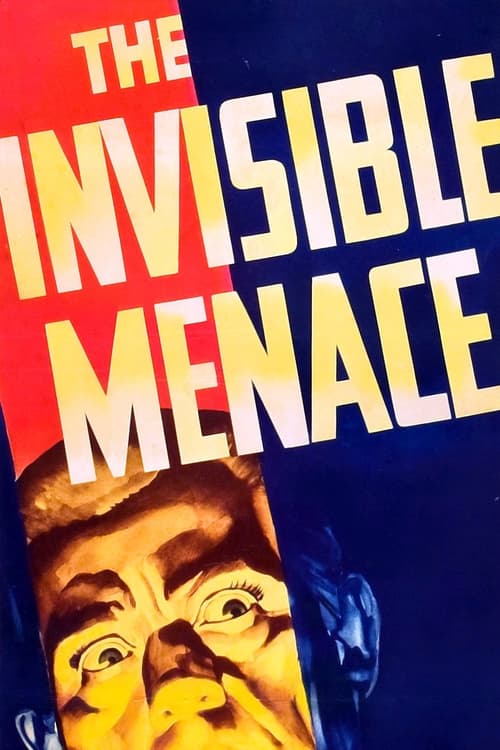
1938
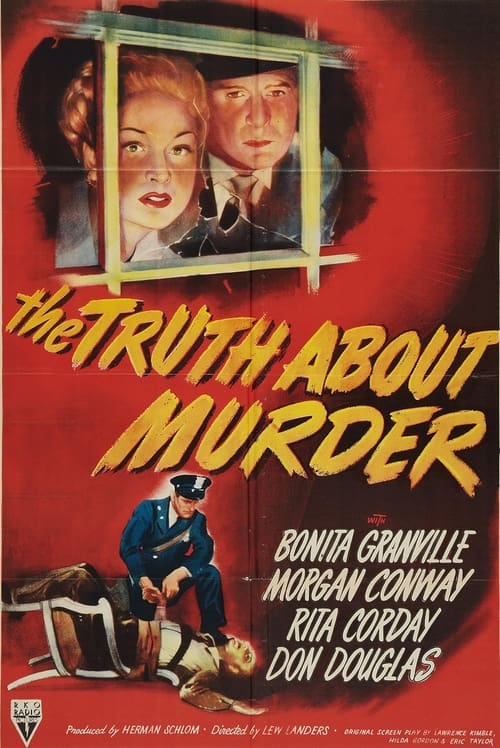
1946
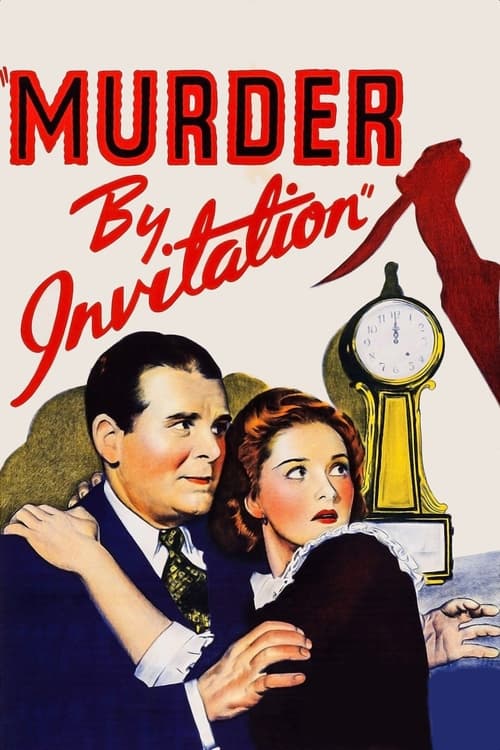
1941
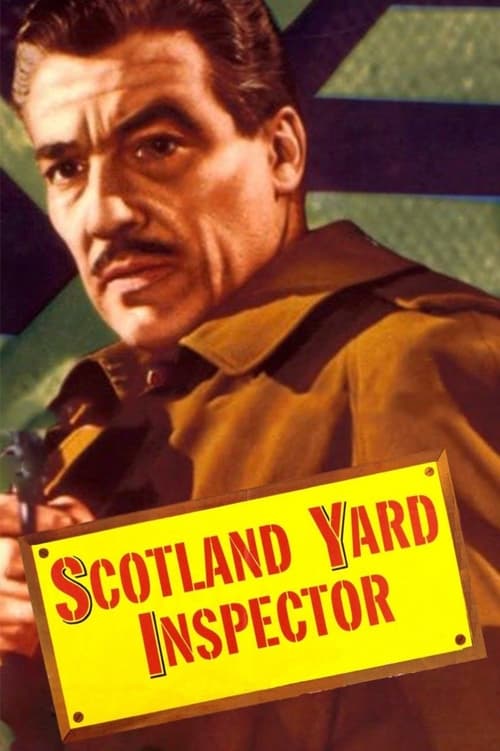
1952
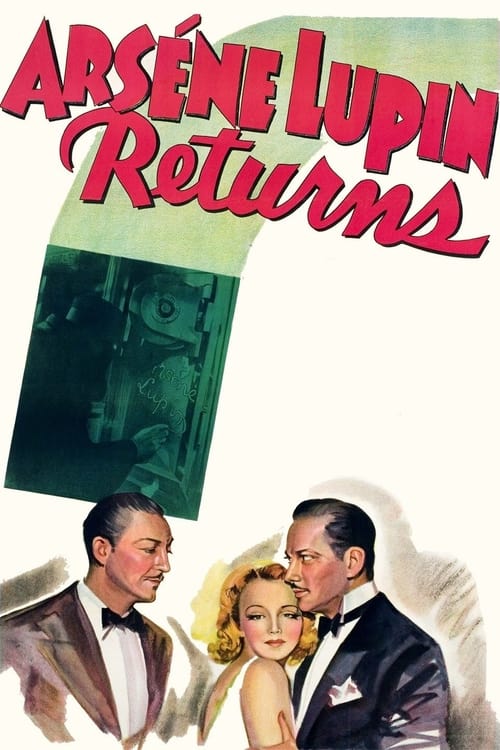
1938
1940

1945
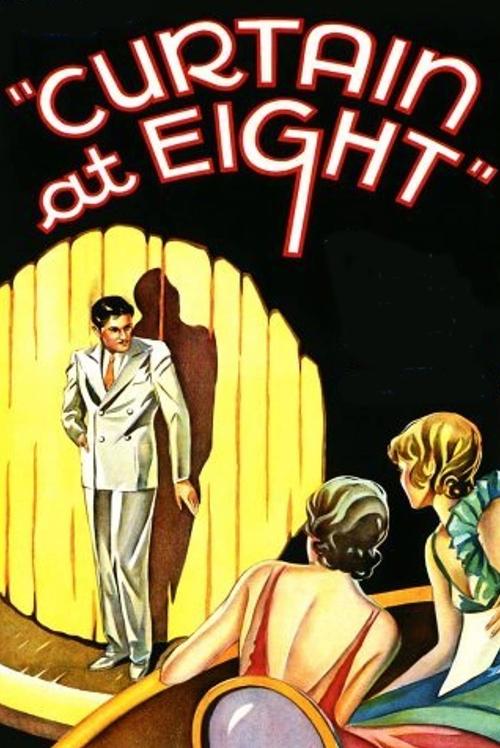
1933
No reviews yet. Be the first to share your thoughts on this movie!
Use the rating form above to leave a star rating and optional review.