Midnight
1939
No user ratings available yet
Diversity score: 3.7 out of 10
1928
PassedDirector
A. Edward Sutherland
Runtime
60 minutes
Average Rating
No ratings yetSynopsis
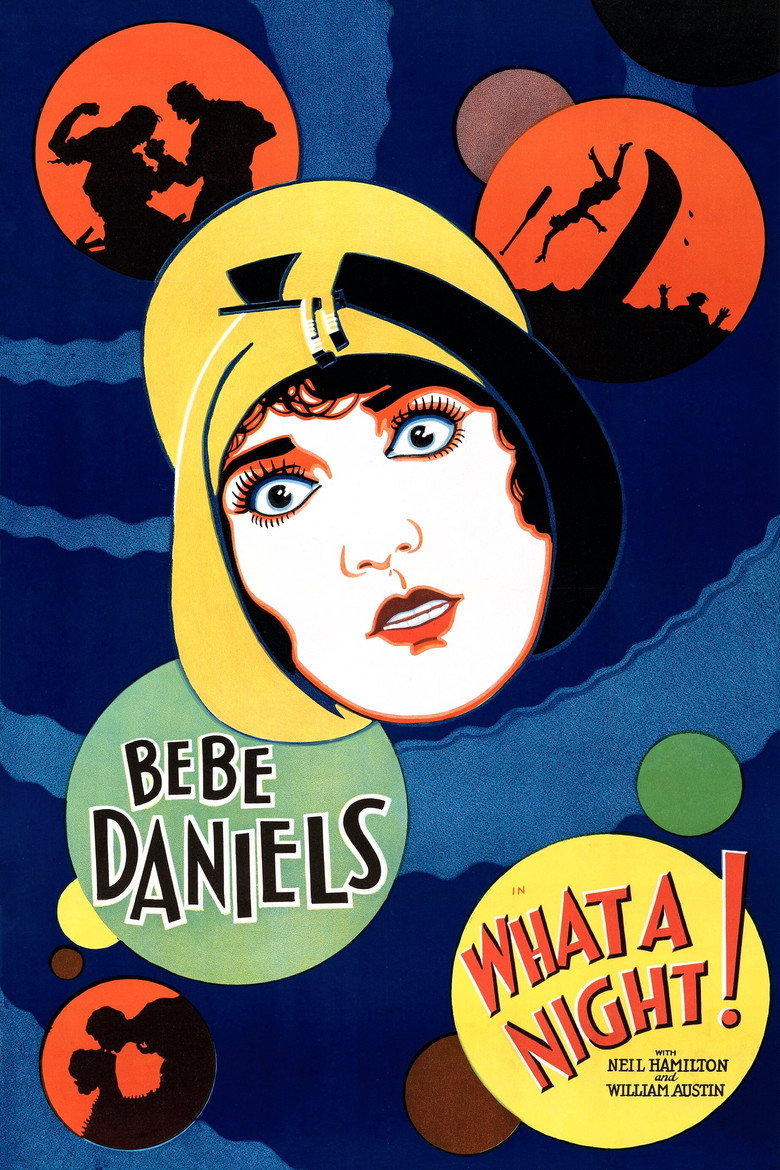
The daughter of an industrialist, Dorothy Winston, arranges to work on a newspaper in which her father places a substantial amount of advertising, Joe Madison, the reporter son of the paper's editor, offers to show her the ropes. A gunman employed by Mike Corney lands in jail, and Dorothy succeeds in interviewing him, getting him to divulge the whereabouts of a canceled check that will link Corney to Patterson, a corrupt political boss. Dorothy and Joe get the check, and Joe telephones his father to urge him to print an exposé of Patterson. Corney recovers the check, however, and Patterson institutes a damaging libel suit against the paper. Dorothy gets the check back and obtains photographic evidence to further incriminate Patterson and Corney. Dorothy and Joe decide to write the story of their life with each another. A lost film.
Overall Score
Limited
Category Breakdown
LGBTQ+ Representation
The film lacks any evidence of LGBTQ+ characters or non-cisnormative identities. The central romance follows a traditional heterosexual path between Dorothy and Joe.
Gender Representation
Dorothy Winston displays notable agency, navigating the professional journalism world and driving the investigative plot. While she avoids passive tropes, the film concludes with a conventional romantic resolution.
Racial & Ethnic Diversity
The production appears to adhere to the homogeneous casting standards of 1928. There is no evidence of a diverse or non-Anglo-Saxon cast.
Religious & Cultural Diversity
The story explores institutional corruption by framing protagonists as truth-seekers against a corrupt political boss. It maintains a traditional moral framework regarding justice and the press.
Disability Representation
There is no mention of characters with visible or invisible disabilities. The plot contains no evidence of neurodivergent representation.
Strengths
Areas for Improvement
AI Analysis
What a Night! is a product of its era, functioning primarily within traditional genre constraints. While it offers some progressive elements regarding female agency, it lacks broader intersectional complexity. The film's strength lies in its subversion of gender hierarchies through Dorothy's intellectual rigor and investigative drive. She acts as a central force in uncovering criminal activity rather than a mere socialite. However, the film remains limited by the systemic norms of 1928 Hollywood. It lacks racial diversity, queer representation, and any meaningful engagement with disability, resulting in a narrow social scope.
1939
1934
1934
1928
1931
1925

1935
1928

1941
1916
1928
1937
No reviews yet. Be the first to share your thoughts on this movie!
Use the rating form above to leave a star rating and optional review.